






White Peacock
Anartia jatrophae
The White Peacock is a beautiful butterfly with bright white wings and lovely spots. It flutters around gardens and fields, bringing joy to everyone who sees it!
Hábitat: Urban areas
The White Peacock is a medium-sized butterfly with striking white wings adorned with delicate brown and black markings. Its hindwings feature prominent dark eyespots, resembling the tail feathers of a peacock. While often white, its wings can also display light tan or yellowish hues, especially on the underside.
Categoría
InsectosRareza
Common
Peligro
1/5 · Muy bajo
Snaps
¡Sé la primera persona en hacer un snap!
Sometimes, White Peacocks migrate long distances, flying hundreds of miles to find warmer places!
These butterflies love sunshine! They often bask in sunny spots to warm up their bodies before they fly.
To drink sweet nectar, the White Peacock unrolls a long straw-like tongue called a proboscis.
White Peacock caterpillars are spiky and green or black, helping them look less tasty to predators!
White Peacock can hide from predators by resting with its wings closed, as their undersides blend perfectly with dry leaves.
White Peacock has large eyespots on its hindwings that can startle or confuse hungry birds, helping them escape.
White Peacock can quickly dart through the air, helping it escape danger and find tasty flowers for nectar.
White Peacock can taste its food with its tiny feet, helping it find the perfect leaves for its caterpillars to eat.
Adult White Peacocks sip flower nectar, while their caterpillars munch on specific leaves.
Diferencias por edad: Larvae (caterpillars) eat the leaves of host plants, while adults drink nectar from flowers.
Ruellia caroliniensis
Caterpillars munch on its leaves.
.jpg&width=800)
Tyrannus verticalis
Adult butterflies can be a snack for these birds.

Bidens alba
Adults help spread pollen while feeding on nectar.
Misumena vatia
Ambushes adult butterflies on flowers.
Marcado con manchas o parches de un color diferente.
Colorido describe a organismos u objetos que exhiben una amplia variedad de colores brillantes y distintivos.
Este rasgo caracteriza a los organismos cuya dieta consiste total o principalmente en material vegetal.
Describe plantas que son particularmente atractivas y beneficiosas para una amplia variedad de organismos polinizadores.

Los animales diurnos están activos principalmente durante el día y suelen descansar o dormir por la noche.

Este rasgo identifica a los organismos que exhiben una rapidez excepcional en sus movimientos para cazar, escapar o desplazarse.

Esta característica de hábitat indica especies que pueden coexistir con los humanos en entornos urbanos y suburbanos, utilizando estructuras artificiales y espacios verdes.

Describe organismos que transfieren polen, permitiendo la fertilización y reproducción de las plantas.
Peligro
1/5 · Muy bajo
Be gentle and watch butterflies from a distance so you don't scare them away.
35-70 mm
15-25 mm
30-60 días
12 km/h
Adult White Peacocks sip flower nectar, while their caterpillars munch on specific leaves.
Urban areas
Foraging
6
Acércate para separar los grupos y explorar dónde se ha fotografiado este objeto.
Los snaps recientes aparecerán aquí a medida que se añadan nuevas observaciones.
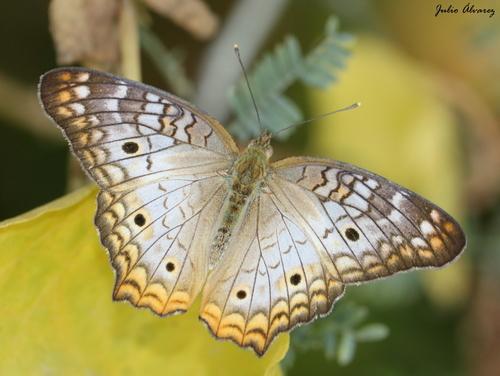
Florida, US
Puedes ver White Peacock, Trailing Daisy y Garza Azulada.
Ver guía →
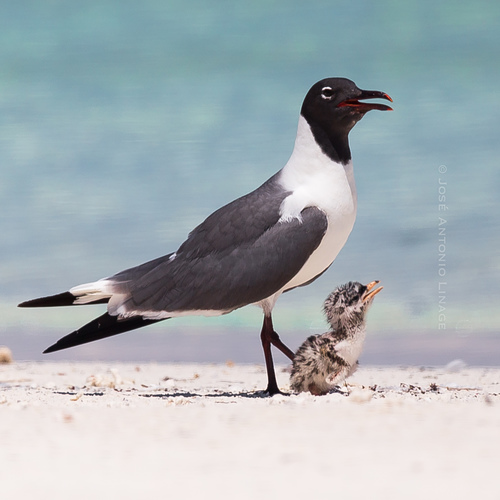
Florida, US
Puedes ver Laughing Gull, Saw Palmetto y Garza Azulada.
Ver guía →
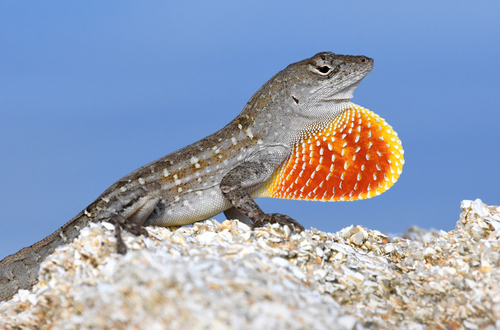
Florida, US
Puedes ver Anolis Castaño, Southern Live Oak y Resurrection Fern.
Ver guía →
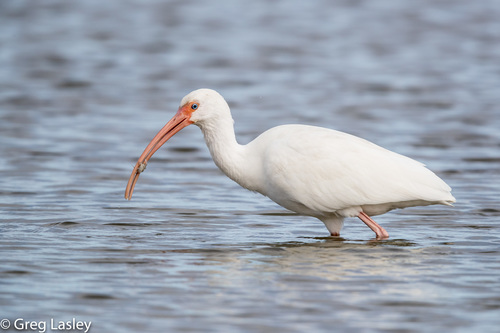
Florida, US
Puedes ver White Ibis, White Beggarticks y Anolis Castaño.
Ver guía →
Florida, US
Puedes ver Anolis Castaño, Green Treefrog y Mascarene Island Leaf-Flower.
Ver guía →







.jpg&width=800)





.jpg&width=800)


