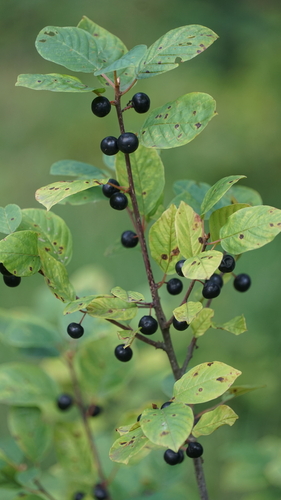
white rattlesnake root
Nabalus albus
White rattlesnake root is a special plant with big, green leaves and fluffy white flowers. It grows in shady places and is loved by butterflies and bees!
Hábitat: Forests
The white rattlesnake root has slender, purplish-green stems topped with delicate clusters of nodding, bell-shaped flowers. Its blooms are creamy white to pale greenish-yellow, resembling tiny dangling bells amidst deeply lobed leaves, making it visually distinct in shady woodlands.
Categoría
PlantasRareza
Common
Peligro
1/5 · Muy bajo
Snaps
¡Sé la primera persona en hacer un snap!
Its hanging flowers hide nectar, making insects work harder to find a sweet treat!
Its roots were once thought to cure rattlesnake bites!
Look closely, its purplish stems can change color in the sun!
The plant's scientific name, Nabalus, means "harp," possibly for its leaf shape!
White rattlesnake root's late-summer blooms provide vital nectar for pollinators when many other flowers have already faded.
This plant has bitter compounds in its roots and leaves that deter most animals from nibbling on it.
White rattlesnake root can grow well in shady forests, finding light where many sun-loving plants struggle to survive.
Bombus impatiens
Visits flowers for nectar and pollen.
Apis mellifera
Collects nectar and pollen from its blooms.
Danaus plexippus
Feeds on nectar from its late-season flowers.
Las plantas aromáticas producen y emiten compuestos orgánicos volátiles fragantes, a menudo como defensa o para atraer a los polinizadores.
Las plantas caducifolias pierden periódicamente todas sus hojas, por lo general durante el otoño o las estaciones secas.
Las plantas con flores son cualquier planta que produce flores como parte de su ciclo reproductivo.
Las flores en racimo son inflorescencias donde las flores individuales están dispuestas muy juntas en un tallo común.

Las plantas tolerantes a la sombra están adaptadas para crecer y prosperar en áreas con bajos niveles de luz, requiriendo menos luz solar directa.

Las plantas medicinales poseen compuestos químicos que pueden utilizarse con fines terapéuticos para tratar enfermedades o mantener la salud.

Los árboles de hoja ancha son angiospermas caracterizadas por hojas planas y anchas que típicamente se caen anualmente en climas templados.

Describe plantas que son particularmente atractivas y beneficiosas para una amplia variedad de organismos polinizadores.

Los hábitats boscosos son entornos terrestres dominados por una densa cubierta arbórea, que sustentan una gran diversidad de vida animal y vegetal.
Todavía no hay alias listados.
Peligro
1/5 · Muy bajo
Always look but don't touch plants unless a grown-up says it's okay.
30-150 cm
30-60 cm
0.5-1 cm
Late summer to fall
No
Leve
Perenne
Insectos
Acércate para separar los grupos y explorar dónde se ha fotografiado este objeto.
Los snaps recientes aparecerán aquí a medida que se añadan nuevas observaciones.