White-winged Dove
Zenaida asiatica
The White-winged Dove is a beautiful bird with soft gray feathers and striking white wing patches. They are often seen in gardens and parks, making gentle cooing sounds that are very soothing.
Hábitat: Urban areas, Desert
The White-winged Dove is a medium-sized, plump dove, distinct for the bright white patch on the edge of each wing, clearly visible in flight or at rest. It also has a striking blue eye-ring and a small black line beneath the eye.
Categoría
AvesRareza
Common
Peligro
1/5 · Muy bajo
Snaps
¡Sé la primera persona en hacer un snap!
Chili peppers don't bother them; doves lack the receptors for capsaicin!
They can travel over 50 miles in a single day to find water!
They often build flimsy nests, so eggs can sometimes be seen through the bottom!
White-winged Doves are one of the few birds that drink by sucking up water like a straw!
White-winged Doves can drink slightly saline water that helps them survive in arid desert environments.
White-winged Doves can safely eat spiny cactus fruits and seeds because they have tough beaks and digestive systems.
White-winged Doves have specialized wing feathers that create a unique whistling sound when they fly fast.
These doves mainly eat seeds and fruits from plants, including some thorny desert cacti!
Carnegiea gigantea
Consumes the nutritious fruit and seeds, aiding seed dispersal.
Buteo jamaicensis
A common aerial predator of adult doves and nestlings.
Opuntia engelmannii
Feeds on the juicy pads and fruits, especially in arid areas.
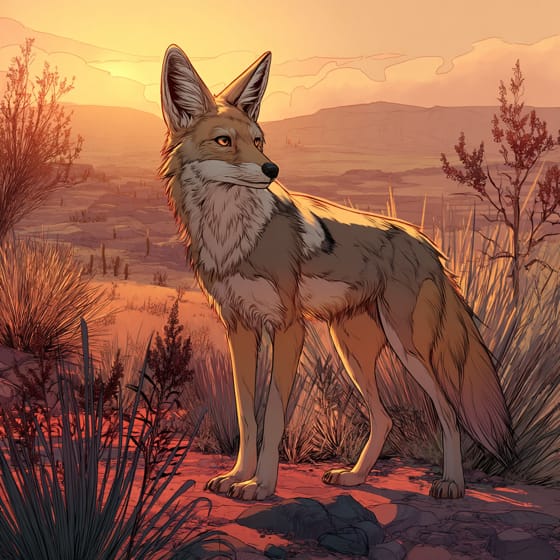
Canis latrans
Preys on doves, particularly near water sources.
Describe a los animales, principalmente aves, que poseen una cubierta de plumas.
Los animales sociales viven en grupos organizados, cooperando para obtener beneficios de supervivencia como la búsqueda de alimento, la defensa y la cría de descendencia.
Los animales cantores producen vocalizaciones complejas, a menudo con el propósito de atraer parejas, defender el territorio o comunicarse dentro de su especie.
Este rasgo caracteriza a los organismos cuya dieta consiste total o principalmente en material vegetal.

Los hábitats desérticos son regiones áridas caracterizadas por precipitaciones extremadamente bajas y, a menudo, temperaturas extremas, que albergan una flora y fauna especializadas.

Los animales diurnos están activos principalmente durante el día y suelen descansar o dormir por la noche.

Esta característica de hábitat indica especies que pueden coexistir con los humanos en entornos urbanos y suburbanos, utilizando estructuras artificiales y espacios verdes.
Todavía no hay alias listados.
Peligro
1/5 · Muy bajo
Enjoy watching birds from a distance and do not try to touch or chase them.
29-31 cm
48-53 cm
0.12-0.17 kg
7-10 años
70 km/h
These doves mainly eat seeds and fruits from plants, including some thorny desert cacti!
Urban areas, Desert
Foraging
Acércate para separar los grupos y explorar dónde se ha fotografiado este objeto.
Los snaps recientes aparecerán aquí a medida que se añadan nuevas observaciones.