wild sarsaparilla
Aralia nudicaulis
Wild sarsaparilla is a plant with lovely green leaves and small white flowers. It grows in shady forests and is known for its sweet-smelling roots that can be used to make drinks.
Hábitat: Forests
The wild sarsaparilla has a single smooth stem that branches into three large, compound leaves, each with 3-7 oval leaflets. It produces small, greenish-white flower clusters on separate stalks rising from the base, which later develop into dark purple berries.
Categoría
PlantasRareza
Common
Peligro
1/5 · Muy bajo
Snaps
¡Sé la primera persona en hacer un snap!
Despite its name, it's not a true sarsaparilla, but a type of aralia!
Each plant usually sends up only one large leaf stalk that then splits into three!
Its root extract was once a key ingredient in real root beer!
Native American tribes traditionally used its roots for various medicinal purposes!
Wild sarsaparilla has a long, creeping underground stem (rhizome) that helps it spread widely and find nutrients in shady forest soils.
Wild sarsaparilla has large, broad leaves designed to capture sunlight efficiently, allowing it to thrive in the dim understory of dense forests.
Wild sarsaparilla produces clusters of dark berries that provide food for birds and small mammals, helping spread its seeds.
Turdus migratorius
Eats ripe dark purple berries.
Apis mellifera
Visits small greenish-white flowers for nectar.
Odocoileus virginianus
Browses on its young leaves and stems.
Las plantas con flores son cualquier planta que produce flores como parte de su ciclo reproductivo.
Las plantas tolerantes a la sombra están adaptadas para crecer y prosperar en áreas con bajos niveles de luz, requiriendo menos luz solar directa.
Las flores fragantes emiten un aroma agradable, a menudo para atraer polinizadores o como defensa.
Las plantas medicinales poseen compuestos químicos que pueden utilizarse con fines terapéuticos para tratar enfermedades o mantener la salud.

Las plantas comestibles son aquellas partes de una planta que se consideran seguras para el consumo humano.

Describe plantas que son particularmente atractivas y beneficiosas para una amplia variedad de organismos polinizadores.

Los hábitats boscosos son entornos terrestres dominados por una densa cubierta arbórea, que sustentan una gran diversidad de vida animal y vegetal.
Todavía no hay alias listados.
Peligro
1/5 · Muy bajo
Do not eat any plants unless an adult says it's safe!
30-60 cm
30-60 cm
0.2-0.3 cm
Late_spring_early_summer
Sí
Ninguna
Perenne
Insectos
Acércate para separar los grupos y explorar dónde se ha fotografiado este objeto.
Los snaps recientes aparecerán aquí a medida que se añadan nuevas observaciones.
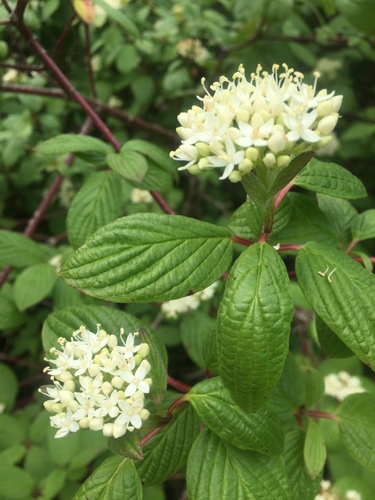
British Columbia, CA
Puedes ver Red Osier Dogwood, Pino Contorta y Common Juniper.
Ver guía →
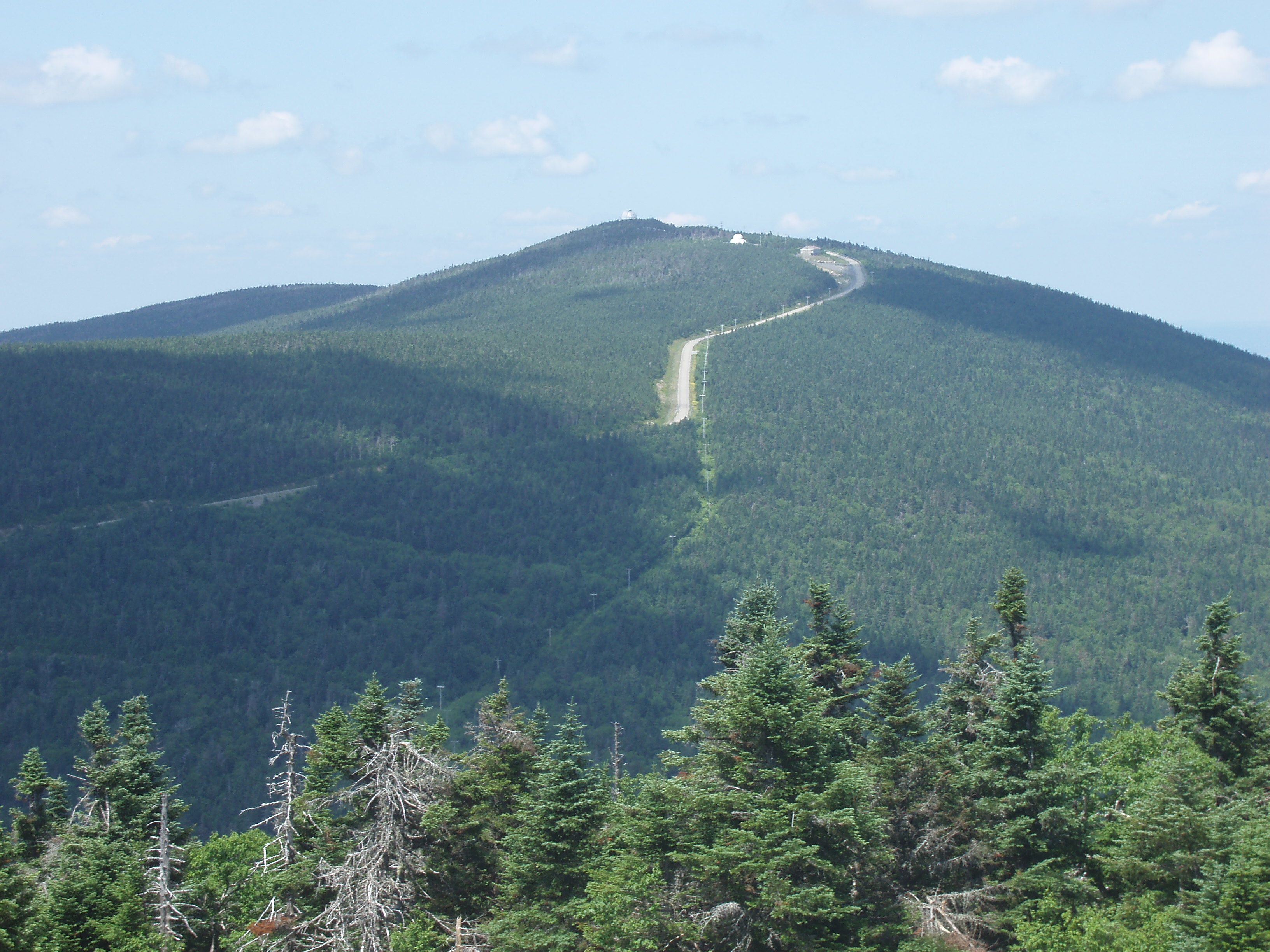
Québec, CA
Puedes ver Canada Jay, Bluebead Lily y Hobblebush.
Ver guía →

Québec, CA
Puedes ver Ciervo De Cola Blanca, Foca Común y Common Eider.
Ver guía →
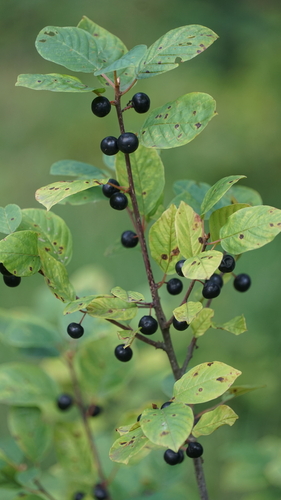
Michigan, US
Puedes ver Alder Buckthorn, Bulblet Fern y Western Poison Ivy.
Ver guía →

British Columbia, CA
Puedes ver Thimbleberry, Canadian Buffalo-Berry y Oregon Grape.
Ver guía →
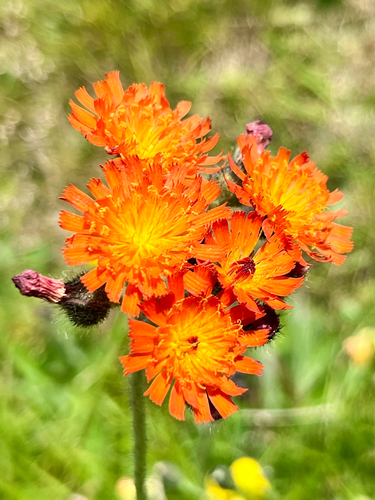
British Columbia, CA
Puedes ver Orange Hawkweed, Shinyleaf Meadowsweet y Columbia Lily.
Ver guía →