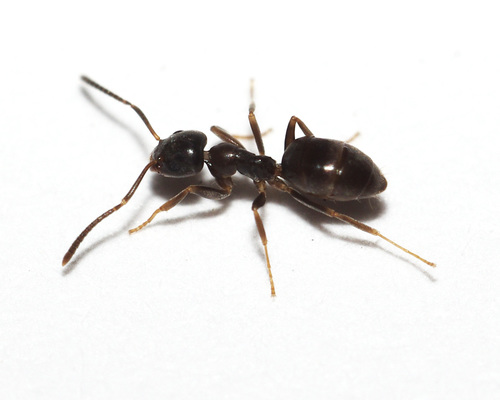
Willow Leaf Beetle
Plagiodera versicolora
The Willow Leaf Beetle is a small, shiny beetle that loves to munch on willow leaves. They are bright green and can often be found in gardens and parks where willows grow.
Hábitat: Wetlands
The Willow Leaf Beetle is a small, oval-shaped insect, typically 4-6mm long, with a striking iridescent metallic blue-green or bronze sheen. Its glossy, dome-shaped wing covers truly make it sparkle among the green leaves, differentiating it from duller leaf beetles.
Categoría
InsectosRareza
Common
Peligro
1/5 · Muy bajo
Snaps
¡Sé la primera persona en hacer un snap!
Adult beetles hibernate in winter, hiding in soil or under leaf litter to stay safe!
Female beetles lay hundreds of tiny yellow eggs on the underside of willow leaves!
These beetles can skeletonize leaves, leaving only veins behind like delicate lace patterns!
Young willow leaf beetles are called larvae, and they look completely different from the adults!
Willow Leaf Beetle can release a stinky chemical because of special glands, which helps them warn off predators.
Willow Leaf Beetle has strong mandibles that help them chew through tough willow leaves as both larvae and adults.
Willow Leaf Beetle can fly quickly away from danger because of its functional wings, helping it escape predators fast.
Willow Leaf Beetle has a speedy life cycle that helps them lay many eggs quickly, ensuring more beetles hatch.
These hungry beetles munch exclusively on willow leaves, both as larvae and adults.
Salix alba
Feeds on the leaves of this common willow tree.
%2C_Parc_de_Woluw%C3%A9%2C_Brussels_(13042792905).jpg&width=800)
Parus major
A tasty snack for this common European bird.
Araneus diadematus
Often caught in the webs of these orb-weaving spiders.
Tetrastichus julis
Wasp larvae develop inside willow leaf beetle larvae.
Los animales solitarios viven solos durante la mayor parte de su vida y solo interactúan con otros para aparearse o cuidar de sus crías.
El camuflaje describe a los organismos que poseen colores o patrones que les permiten mezclarse con su entorno.
Este rasgo caracteriza a los organismos cuya dieta consiste total o principalmente en material vegetal.
Este rasgo de hábitat identifica especies que se encuentran en humedales, que son áreas de tierra saturadas de agua, ya sea permanente o estacionalmente, e incluyen marismas, pantanos y ciénagas.

Los animales diurnos están activos principalmente durante el día y suelen descansar o dormir por la noche.

Relativo a especies que son significativamente más pequeñas que lo típico o promedio de su tipo.

Describe organismos que transfieren polen, permitiendo la fertilización y reproducción de las plantas.
Todavía no hay alias listados.
Peligro
1/5 · Muy bajo
These beetles are not harmful, but it's best to look and not touch them.
8-12 mm
4-6 mm
30-60 días
5 km/h
These hungry beetles munch exclusively on willow leaves, both as larvae and adults.
Wetlands
Grazing
6
Acércate para separar los grupos y explorar dónde se ha fotografiado este objeto.
Los snaps recientes aparecerán aquí a medida que se añadan nuevas observaciones.