




Wing-Leaf Monkeyflower
erythranthe ptilota
The Wing-Leaf Monkeyflower has beautiful, wing-like leaves that look like they are ready to take off! It blooms with bright, cheerful flowers that attract lots of friendly pollinators.
Hábitat: Wet meadows and stream banks.
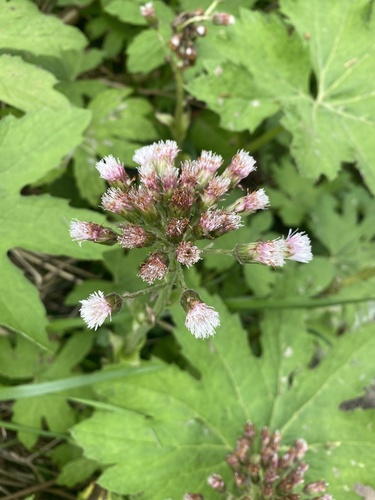
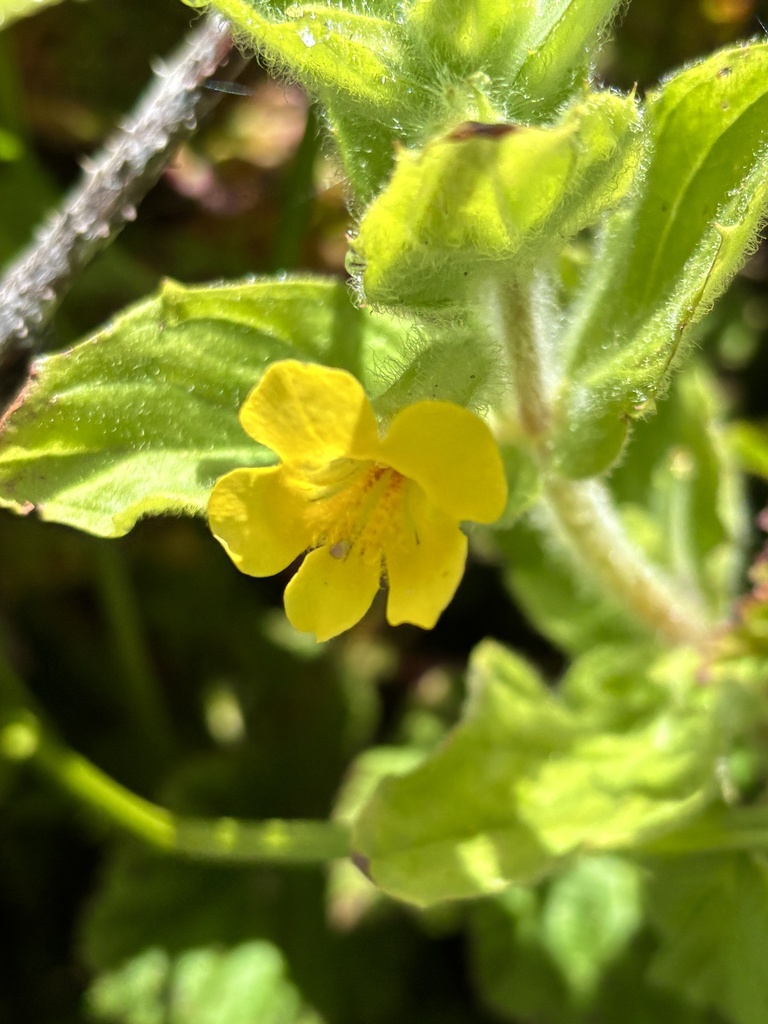
The Wing-Leaf Monkeyflower has unique square stems with prominent 'wings' or ridges, supporting vibrant yellow, snapdragon-like flowers, often with reddish spots. Its bright blooms are contrasted by its lance-shaped green leaves, creating a distinctive wetland appearance.
Categoría
PlantasRareza
Common
Peligro
0/5 · Sin peligro conocido
Snaps
¡Sé la primera persona en hacer un snap!
Each tiny flower can create hundreds of even tinier seeds, ready to float away and find new homes!
Its square stems have cool 'wings' that aren't just for show—they help the plant stand strong!
Look closely! Some people think the flower's shape looks exactly like a monkey's happy, smiling face!
This plant is a water-lover, often growing with its 'feet' soaking wet in shallow streams or ditches!
Wing-Leaf Monkeyflower has unique winged stems that help channel rainwater down to its roots, making the most of moisture in its wet habitats.
Wing-Leaf Monkeyflower can thrive in waterlogged soils due to specialized roots, allowing it to colonize soggy areas where other plants can't survive.
Wing-Leaf Monkeyflower's bright yellow, tubular flowers are perfectly shaped to attract specific bee pollinators, ensuring successful reproduction.
Apis mellifera
collects nectar and pollen
Bombus impatiens
an important native pollinator
Odocoileus virginianus
occasionally browses its leaves
Colorido describe a organismos u objetos que exhiben una amplia variedad de colores brillantes y distintivos.
Este rasgo caracteriza a los organismos cuya dieta consiste total o principalmente en material vegetal.
Los hábitats boscosos son entornos terrestres dominados por una densa cubierta arbórea, que sustentan una gran diversidad de vida animal y vegetal.
Los animales diurnos están activos principalmente durante el día y suelen descansar o dormir por la noche.

Describe organismos que transfieren polen, permitiendo la fertilización y reproducción de las plantas.
Peligro
0/5 · Sin peligro conocido
Todavía no hay notas especiales de seguridad.
30-90 cm
30-60 cm
2-3 cm
Summer-fall
No
Ninguna
Perenne
Insectos
Acércate para separar los grupos y explorar dónde se ha fotografiado este objeto.
Los snaps recientes aparecerán aquí a medida que se añadan nuevas observaciones.