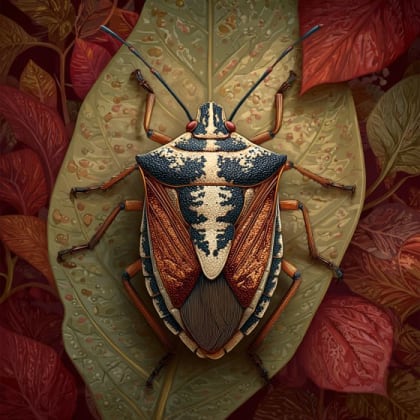
Winter Crane Flies
trichoceridae
Winter Crane Flies are fascinating insects that flutter around during the chilly months. Their long, delicate bodies and wings make them look like tiny fairies in the winter air!
Hábitat: Winter Crane Flies can be found in moist, grassy areas and near water sources during the winter months.
The Winter Crane Flies has a delicate, slender body, long spindly legs, and large, clear wings that are often held outstretched. They are typically colored in shades of brown, grey, or black, making them blend in with their environment.
Categoría
InsectosRareza
Common
Peligro
0/5 · Sin peligro conocido
Snaps
¡Sé la primera persona en hacer un snap!
Their long, fragile legs are easily shed if caught by a predator, helping them escape to safety.
Unlike many insects, adult Winter Crane Flies have very short antennae, making them look unique.
Winter Crane Flies are often mistaken for giant mosquitoes, but they are completely harmless and don't bite!
You might spot them dancing in swarms over melting snow, a surprising sight for a winter day.
Winter Crane Flies can be active and fly during chilly winter months because their bodies are adapted to tolerate cold temperatures.
Winter Crane Flies has larvae that feed on decaying organic matter, helping to break down dead plants and recycle nutrients.
Winter Crane Flies can shiver to warm up their flight muscles, allowing them to take flight even when the air is cool.
Larvae feast on decaying plants and fungi, while adults rarely eat, mainly sipping water or nectar.
Diferencias por edad: Larvae are detritivores, consuming decaying plant matter, while adults typically do not feed or only consume small amounts of nectar/water.
Turdus merula
provides a winter food source for birds.
Araneus diadematus
preyed upon by spiders in milder periods.
Fagus sylvatica
larvae help decompose fallen leaves.
Carabus nemoralis
larvae are food for predatory ground beetles.
Los animales solitarios viven solos durante la mayor parte de su vida y solo interactúan con otros para aparearse o cuidar de sus crías.
Colorido describe a organismos u objetos que exhiben una amplia variedad de colores brillantes y distintivos.
Describe a los organismos que descomponen la materia orgánica muerta, reciclando los nutrientes de vuelta al ecosistema.
Los animales diurnos están activos principalmente durante el día y suelen descansar o dormir por la noche.

Los animales nocturnos están principalmente activos durante la noche, y suelen descansar o dormir durante el día.
Peligro
0/5 · Sin peligro conocido
Todavía no hay notas especiales de seguridad.
8-20 mm
4-10 mm
5-10 días
1-5 km/h
Larvae feast on decaying plants and fungi, while adults rarely eat, mainly sipping water or nectar.
Winter Crane Flies can be found in moist, grassy areas and near water sources during the winter months.
Foraging
6
Acércate para separar los grupos y explorar dónde se ha fotografiado este objeto.
Los snaps recientes aparecerán aquí a medida que se añadan nuevas observaciones.