






Yellow-footed tortoise
Chelonoidis denticulata
The yellow-footed tortoise is a slow-moving reptile with bright yellow spots on its legs. They love to munch on fruits and leaves in their warm, tropical homes.
Hábitat: Forests
The Yellow-footed tortoise has a dark, domed shell with distinct yellow to orange patches on each scute. Its legs and head are also adorned with bright yellow or orange scales, making it stand out against the forest floor. Unlike many tortoises, its shell is often smooth.
Categoría
ReptilesRareza
Common
Peligro
1/5 · Muy bajo
Snaps
¡Sé la primera persona en hacer un snap!
Each tortoise's shell pattern is unique, like a fingerprint!
Males fight by ramming shells, trying to flip rivals over!
They communicate with soft hisses and grunts in the forest.
They use their strong legs to dig burrows to escape heat and hide.
Yellow-footed tortoise can sense rainfall from afar, helping them find puddles to drink and soak in after dry spells.
Yellow-footed tortoise has a rounded shell that helps them flip back over if they accidentally get turned upside down.
Yellow-footed tortoise can eat many fruits, helping to spread seeds around the forest and grow new plants.
These tortoises are omnivores, munching on fruits, leaves, flowers, fungi, and even small bugs!
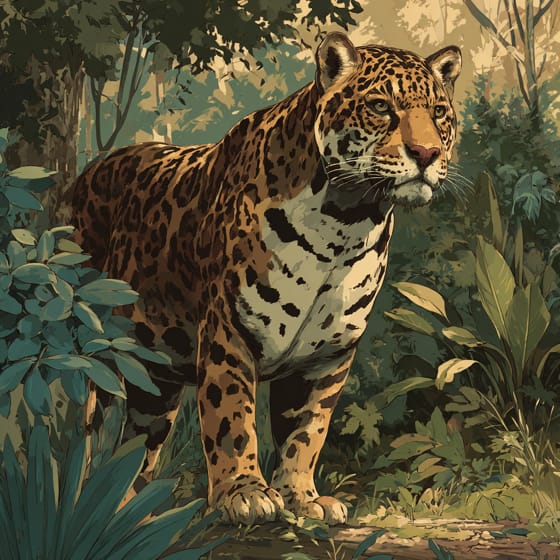
Panthera onca
Juveniles are prey for large cats.
Ficus insipida
They eat fallen figs, dispersing seeds.
Atta cephalotes
They occasionally feed on ants and larvae.
Mauritia flexuosa
Consumes palm fruits, aiding seed dispersal.
Los animales solitarios viven solos durante la mayor parte de su vida y solo interactúan con otros para aparearse o cuidar de sus crías.
Colorido describe a organismos u objetos que exhiben una amplia variedad de colores brillantes y distintivos.
Este rasgo caracteriza a los organismos cuya dieta consiste total o principalmente en material vegetal.
Los hábitats boscosos son entornos terrestres dominados por una densa cubierta arbórea, que sustentan una gran diversidad de vida animal y vegetal.

Este rasgo caracteriza a los organismos con una esperanza de vida excepcionalmente larga en comparación con otros de su especie.

Acorazado describe a los animales protegidos por una cubierta externa dura o caparazón para defenderse.

Los animales diurnos están activos principalmente durante el día y suelen descansar o dormir por la noche.

El estado de peligro de extinción indica que una especie corre un riesgo muy alto de extinguirse en estado silvestre en un futuro próximo.
Todavía no hay alias listados.
Peligro
1/5 · Muy bajo
Always watch from a distance and never try to touch wild tortoises.
40-70 cm
10-25 kg
50-70 años
1 km/h
These tortoises are omnivores, munching on fruits, leaves, flowers, fungi, and even small bugs!
Forests
Foraging
4-8
Acércate para separar los grupos y explorar dónde se ha fotografiado este objeto.
Los snaps recientes aparecerán aquí a medida que se añadan nuevas observaciones.

England, UK
Puedes ver León Africano, Dragón De Komodo y Common Ostrich.
Ver guía →

Alabama, US
Puedes ver Common Ostrich, Lobo Gris y Yellow-Footed Tortoise.
Ver guía →

California, US
Puedes ver Yellow-Footed Tortoise, Ajolote y Panda Rojo.
Ver guía →









_-_Flickr_-_2ndPeter.jpg&width=800)





