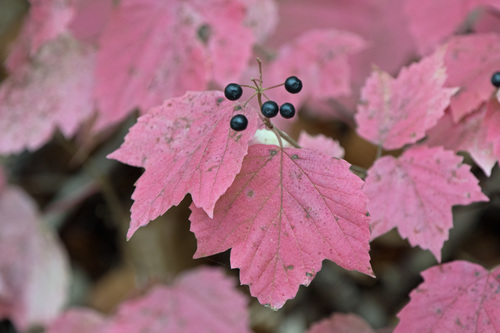


Common Ink Cap
Coprinopsis
The Common Ink Cap is a small mushroom that can turn into black ink! It's fun to watch as it grows.
Habitat: In gardens and grassy areas
The Common Ink Cap has an ovoid to bell-shaped cap, often greyish-brown with fine scales. Its gills are initially white, turning grey then black, liquifying into a black, inky fluid as it matures, making it visually unique.
Category
FungiRarity
Common
Danger
1/5 · Very low
Snaps
Be the first to snap!
Before plastic, people sometimes used the inky fluid from these mushrooms to write letters!
If you eat this mushroom with even a tiny bit of alcohol, it can make you feel very sick!
They often grow in huge groups, sometimes hundreds of them popping up together overnight.
This mushroom's cap turns into a gooey black liquid, just like ink, which inspired its name!
Common Ink Cap can digest itself into a black, inky fluid because its gills break down to release spores, making natural ink.
Common Ink Cap has a special compound that causes a strong reaction when eaten with alcohol, protecting it from some curious foragers.
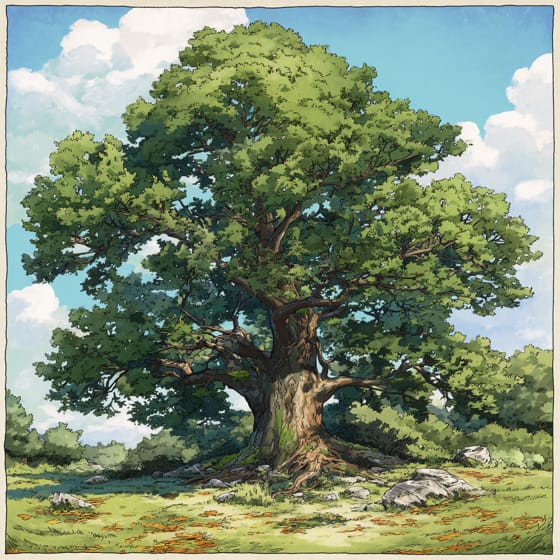
Quercus robur
Decomposes dead oak roots or wood in the soil.
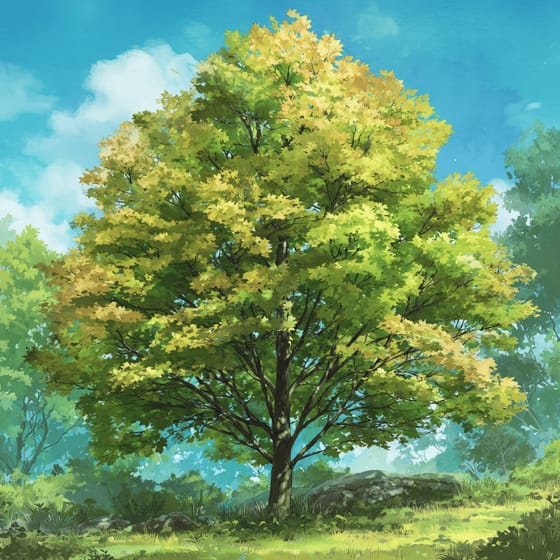
Acer saccharum
Helps decay dead maple wood and roots beneath the surface.
Lolium perenne
Feeds on dead grass roots and thatch in lawns and fields.
Cluster flowers are inflorescences where individual flowers are arranged closely together on a common stem.
Shade tolerant plants are adapted to grow and thrive in areas with low light levels, requiring less direct sunlight.
Spore-producing organisms reproduce by releasing small, often single-celled, reproductive units called spores.
This habitat trait indicates species that can coexist with humans in urban and suburban environments, utilizing man-made structures and green spaces.
Danger
1/5 · Very low
Do not pick or eat anything you find. Some plants and mushrooms can be harmful.
The easiest way to identify Common Ink Cap is to use the Snappit nature identifier app.
5-15 cm
poisonous
3-8 cm
In gardens and grassy areas
soil
Spring to late autumn
Black
Zoom in to split clusters and explore where this object has been snapped.
Recent snaps will appear here as new observations are added.
Take the discovery with you
Snap it with Snappit to identify it, learn what makes it special, and add the discovery to your collection.