




Sugar Maple
Acer saccharum
The Sugar Maple is famous for its sweet sap, which is used to make delicious maple syrup! Its leaves turn bright yellow and orange in the fall.
Habitat: Forests and parks
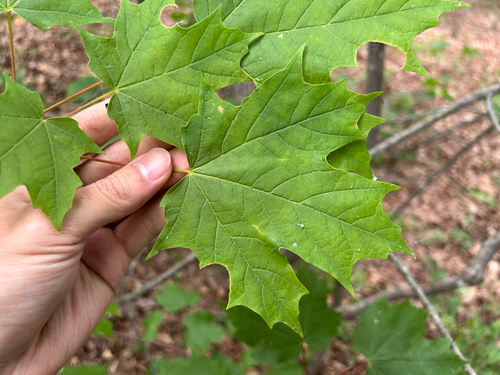
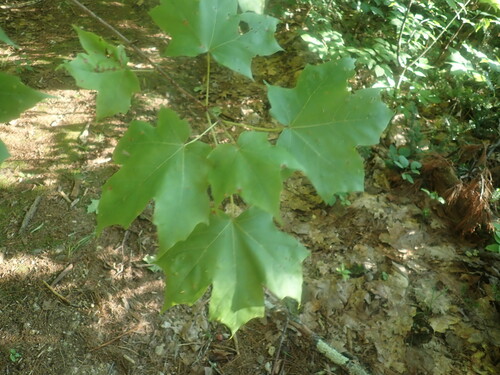
The Sugar Maple has distinctive 5-lobed leaves that turn brilliant shades of yellow, orange, and red in autumn. Its bark is typically gray-brown, starting smooth and becoming deeply furrowed with age, making it visually distinct in forests.
Category
TreesRarity
Common
Danger
1/5 · Very low
Snaps
20
Early Native Americans invented maple syrup by tapping these amazing trees.
It's the official state tree for New York, Vermont, West Virginia, and Wisconsin.
Its winged seeds spin like tiny helicopters when they fall from the tree.
Sugar Maple wood is so hard, it's used for bowling pins and basketball court floors!
Sugar Maple can draw sugary sap from its roots to its branches, even in freezing temperatures, helping it prepare for spring growth.
Sugar Maple has thick bark and strong wood that help it survive harsh northern winters and protect against damage.
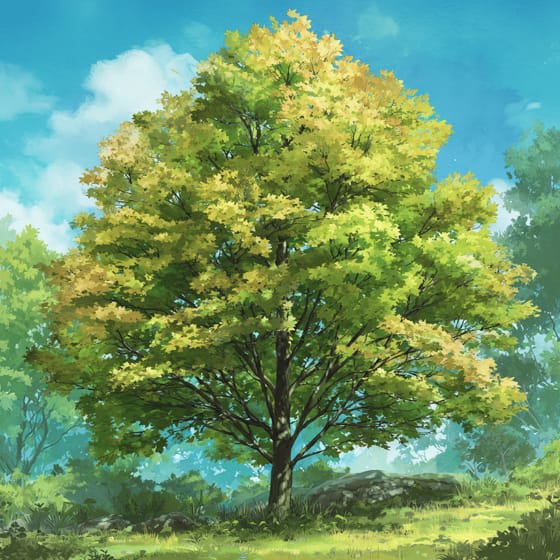
Sugar Maple can grow a dense, wide canopy, shading out competitors and creating a cool habitat for forest creatures.

Odocoileus virginianus
browses young maple saplings
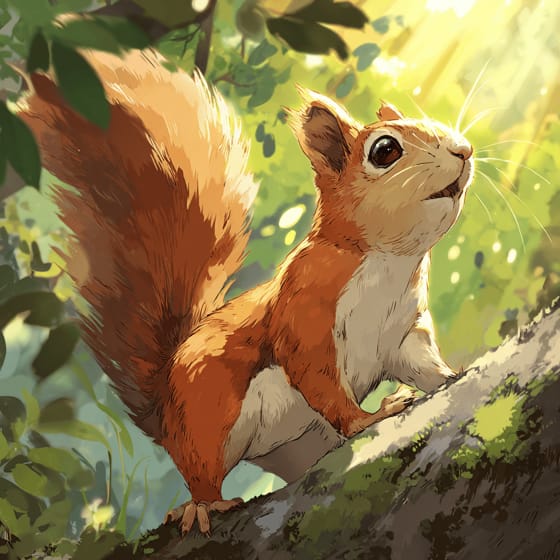
Sciurus carolinensis
feeds on the tree's winged seeds

Bombus impatiens
visits early spring flowers for nectar
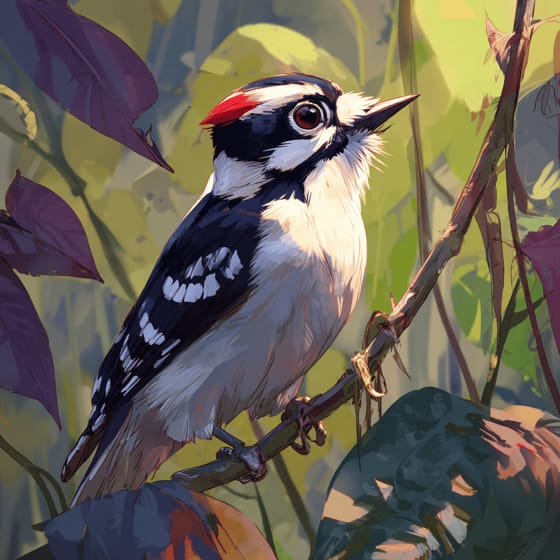
Dendrocopos pubescens
nests in cavities and forages on bark
Deciduous plants periodically shed all their leaves, typically during autumn or dry seasons.
Broadleaf trees are angiosperms characterized by flat, wide leaves that are typically shed annually in temperate climates.
Edible plants are those parts of a plant that are considered safe for human consumption.
Fall color refers to the seasonal change in foliage pigmentation, primarily in deciduous plants, displaying vibrant hues.

Rapid growing plants exhibit accelerated growth rates, quickly increasing in size and biomass within a short period.

Forest habitats are terrestrial environments dominated by dense tree cover, supporting a high diversity of plant and animal life.
Danger
1/5 · Very low
Do not pick or eat anything you find. Some plants and mushrooms can be harmful.
The easiest way to identify Sugar Maple is to use the Snappit nature identifier app.
20-35 m
10-15 m
Yes
60-100 cm
200-400 years
Forests and parks
Samara
Zoom in to split clusters and explore where this object has been snapped.
Jun 2, 2026
Cato Hill Historic DistrictPhoto attribution
(c) Branson Khounvichith, some rights reserved (CC BY-SA)
License: CC BY-SA 4.0 ↗
Image may be shown cropped inside the card frame.
Jul 20, 2023
Doane's FallsPhoto attribution
no rights reserved
License: CC0 1.0 ↗
Image may be shown cropped inside the card frame.

New Jersey, US
You might spot Common Mugwort and White-Tailed Deer.
View guide →

Michigan, US
You might spot Yellow Lady's Slipper and Ring-Billed Gull.
View guide →

Massachusetts, US
You might spot Common Eastern Bumble Bee, Bee, and Eastern Calligrapher.
View guide →

Massachusetts, US
You might spot Common Eastern Bumble Bee and Eastern Gray Squirrel.
View guide →

Massachusetts, US
You might spot Eastern Newt and Eastern Red-Backed Salamander.
View guide →

Michigan, US
You might spot African Lion, Komodo Dragon, and Brown Bear.
View guide →
Take the discovery with you
Snap it with Snappit to identify it, learn what makes it special, and add the discovery to your collection.