





False Gharial
Tomistoma schlegelii
The False Gharial looks a bit like the Gharial but is a bit different! They also love to swim and catch fish.
Habitat: Freshwater rivers and swamps
The False Gharial has a distinctive long, slender snout, much narrower than other crocodilians. Its body is generally dark reddish-brown to grayish, adorned with dark bands and spots, especially on its tail. It can be distinguished by its relatively smooth, unridged scales and lighter underbelly.
Category
ReptilesRarity
Rare
Danger
2/5 · Low
Snaps
Be the first to snap!
Female False Gharials build large mound nests from plants and soil to keep their eggs warm.
Its name "False Gharial" comes from its gharial-like snout, but it's more closely related to true crocodiles!
Some local people once believed these mysterious reptiles guarded the entrances to hidden underwater kingdoms.
Unlike most crocodilians, its scales are relatively smooth, not heavily ridged.
False Gharials can wait perfectly still underwater, using their camouflaged skin to ambush unsuspecting prey from the murky depths.
Despite its slender snout, the False Gharial possesses strong jaw muscles to crush the bones of larger prey like mammals.
A stealthy hunter, it eats many fish, but also enjoys birds, mammals, and even crustaceans!
Age differences: Younger False Gharials primarily eat insects and crustaceans, while adults tackle larger fish, birds, and mammals.
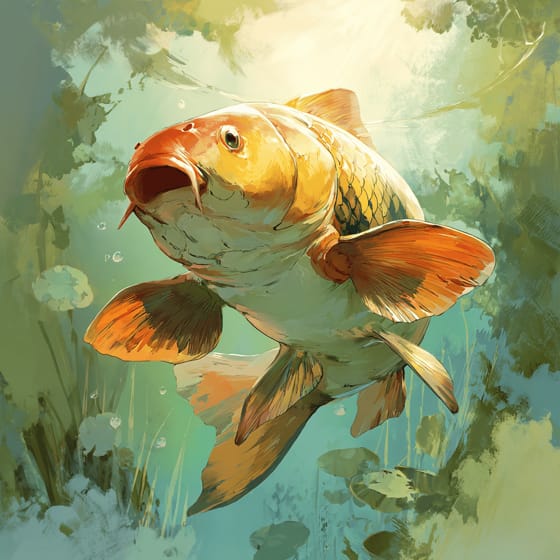
Cyprinus carpio
A key part of its diet as an aquatic predator.

Macaca fascicularis
Large adults occasionally prey on monkeys at the water's edge.
Varanus salvator
Lizards sometimes raid nests to eat False Gharial eggs.
Wildlife encompasses all undomesticated animal and plant life existing in their natural habitats.
Solitary animals live alone for most of their lives, only interacting with others for mating or parental care.
Piscivorous organisms are animals that primarily subsist on a diet of fish.
Freshwater habitats include non-saline aquatic environments such as rivers, lakes, ponds, and wetlands, vital for numerous species.
Danger
2/5 · Low
Look but don’t touch. Keep a safe distance and wash hands after exploring.
The easiest way to identify False Gharial is to use the Snappit nature identifier app.
250-500 cm
50-250 kg
60-80 years
12 km/h
A stealthy hunter, it eats many fish, but also enjoys birds, mammals, and even crustaceans!
15 km/h
Freshwater rivers and swamps
Zoom in to split clusters and explore where this object has been snapped.
Recent snaps will appear here as new observations are added.
Take the discovery with you
Snap it with Snappit to identify it, learn what makes it special, and add the discovery to your collection.

















