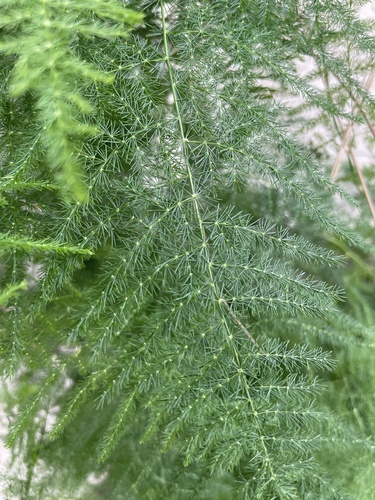



Fig Tree
Ficus carica
The Fig Tree is a wonderful tree that produces sweet figs. Figs are soft and delicious fruits that can be eaten fresh or dried!
Habitat: Warm climates and gardens
The Fig Tree has large, deeply lobed leaves of a dull green on top and fuzzy gray underneath. Its smooth, often twisting trunk can range from grayish-white to reddish-brown, supporting teardrop-shaped fruits that appear green, purple, or yellow when ripe.
Category
TreesRarity
Common
Danger
1/5 · Very low
Snaps
Be the first to snap!
Ancient Olympic champions were often crowned with fig leaves and given figs as prizes!
Fig trees are among the very first plants ever cultivated by humans, over 11,000 years ago!
If you cut a fig leaf or stem, it oozes a milky white sap that can irritate skin.
The fig 'fruit' you eat is actually a special casing filled with hundreds of tiny flowers!
Fig Tree has a unique syconium structure that encases its tiny flowers inside, protecting them from pests and harsh weather.
Fig Tree relies on a tiny fig wasp to crawl inside its fruit and pollinate its flowers, forming a crucial partnership.
Fig Tree can grow strong, deep roots that allow it to thrive in rocky soils or even cracks in walls, finding water where others can't.
Blastophaga psenes
The wasp enters the fig to pollinate it.

Homo sapiens
Humans cultivate and consume the sweet fruit.
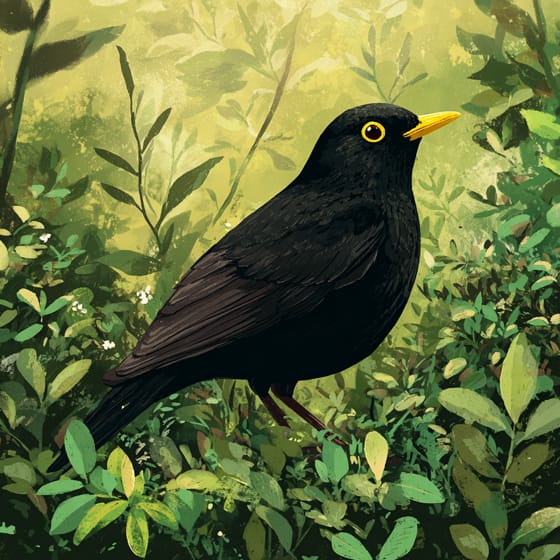
Turdus merula
Birds feed on the ripe, fleshy figs.
Rousettus aegyptiacus
Bats eat the figs, helping to spread seeds.

Cossus cossus
Larvae bore into and feed on the wood.
Evergreen plants retain their foliage throughout the year, never shedding all their leaves at once.
A fruit tree is a perennial tree that produces fruit, which is edible to humans or animals.
Edible plants are those parts of a plant that are considered safe for human consumption.
This trait characterizes organisms with an exceptionally long lifespan compared to others of their kind.

Describes a species whose presence and role have a disproportionately large effect on its environment.

This habitat trait indicates species that can coexist with humans in urban and suburban environments, utilizing man-made structures and green spaces.
Danger
1/5 · Very low
Do not pick or eat anything you find. Some plants and mushrooms can be harmful.
The easiest way to identify Fig Tree is to use the Snappit nature identifier app.
3-9 m
4-8 m
Yes
20-60 cm
50-100 years
Warm climates and gardens
Syconium
Zoom in to split clusters and explore where this object has been snapped.
Recent snaps will appear here as new observations are added.
Take the discovery with you
Snap it with Snappit to identify it, learn what makes it special, and add the discovery to your collection.