





Forget-me-nots
Myosotis
Forget-me-nots are tiny blue flowers that bloom in spring. They have a sweet name because they remind us to remember special people in our lives.
Habitat: Wetlands
The Forget-me-nots has tiny, five-petaled flowers, most commonly a vibrant blue with a distinct yellow or white eye at the center. Its stems are slender, and the leaves are often a soft, fuzzy green. The blossoms grow in delicate clusters.
Category
PlantsRarity
Common
Danger
1/5 · Very low
Snaps
Be the first to snap!
Each tiny forget-me-not flower can produce hundreds of new seeds!
Many species of these charming flowers are actually native to Alaska!
Some tough forget-me-not species can even bloom while still under snow!
Their name comes from a German legend of a knight who died picking them!
Forget-me-nots can change flower color from pink to blue, signaling to pollinators when nectar is ready.
Forget-me-nots' tiny seeds can cling to fur or clothes, hitchhiking to new places to grow.
Forget-me-nots quickly spread by self-seeding, creating carpets of blue flowers for many new plants.
Apis mellifera
Honey bees visit its small flowers for nectar.
Bombus terrestris
Bumblebees help spread its pollen between blossoms.
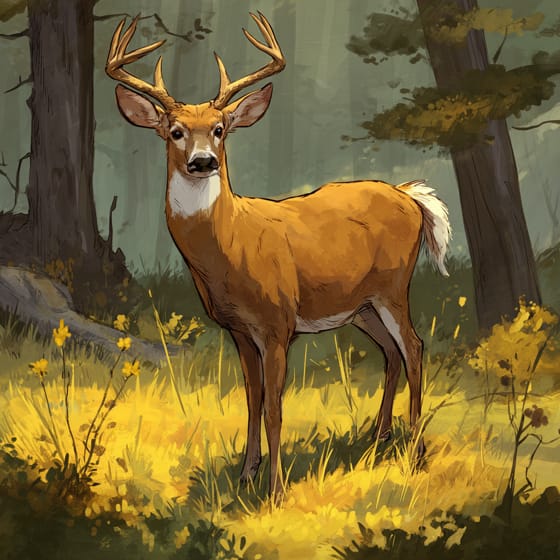
Odocoileus virginianus
Deer occasionally graze on its tender leaves.

Helix aspersa
Garden snails sometimes munch on its leaves.
Flowering plants are any plants that produce flowers as part of their reproductive cycle.
Ornamental plants are cultivated primarily for their aesthetic appeal, enhancing landscapes and gardens with their attractive foliage, flowers, or form.
Spring blooming plants produce their flowers during the spring season, often signifying the end of winter and the start of new growth.
Fragrant flowers emit a pleasant aroma, often to attract pollinators or for defense.

Describes plants that are particularly attractive and beneficial to a wide range of pollinating organisms.

This habitat trait identifies species found in wetlands, which are areas of land saturated with water, either permanently or seasonally, including marshes, swamps, and bogs.

Describes organisms that transfer pollen, enabling the fertilization and reproduction of plants.
Danger
1/5 · Very low
Always look but don't pick flowers without permission.
The easiest way to identify Forget-me-nots is to use the Snappit nature identifier app.
15-30 cm
10-25 cm
0.5-1 cm
Spring and early summer
No
None
Biennial
Zoom in to split clusters and explore where this object has been snapped.
Recent snaps will appear here as new observations are added.

Pennsylvania, US
You might spot New York Fern, Common Milkweed, and True Sedges.
View guide →
British Columbia, CA
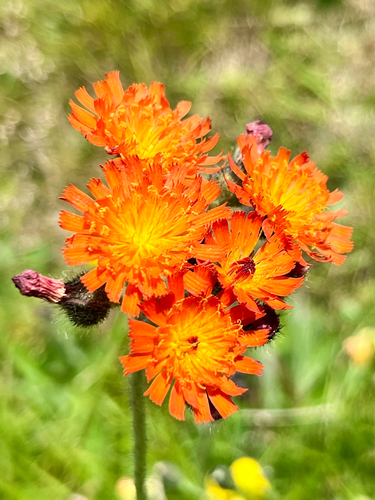
You might spot Orange Hawkweed, Shinyleaf Meadowsweet, and Columbia Lily.
View guide →
.jpg)
Washington, US
You might spot American Crow, Redstem Stork's-Bill, and Dark-Eyed Junco.
View guide →
Take the discovery with you
Snap it with Snappit to identify it, learn what makes it special, and add the discovery to your collection.









.jpg&width=800)


_001.jpg&width=800)




