



King Alfred's Cake
Daldinia
King Alfred's Cake is a dark, round fungus that grows on old trees. It gets its name because it looks like a burnt cake!
Habitat: Old trees
The King Alfred's Cake is a hard, almost spherical or hemispherical fungus, usually black or dark brown on the outside. Its surface is rough and often cracked, resembling a lump of burnt charcoal or volcanic rock. Inside, it reveals distinct concentric rings, like a cut onion.
Category
FungiRarity
Rare
Danger
1/5 · Very low
Snaps
Be the first to snap!
Ancient people sometimes carried this fungus to keep embers glowing for fire!
Inside, it looks like a cut onion, with striking black and white rings!
It's named after a legendary king who once accidentally burned some cakes!
This tough fungus can even survive intense forest fires, sometimes looking even more charred!
King Alfred's Cake has a hard, dry interior that can catch a spark, making it a natural fire-starting material.
King Alfred's Cake can break down dead hardwood trees, returning valuable nutrients to the forest soil.
King Alfred's Cake has visible concentric rings inside, just like a tree, that show how much it has grown each year.
King Alfred's Cake can survive harsh winter conditions because of its tough, woody texture, lasting for years.
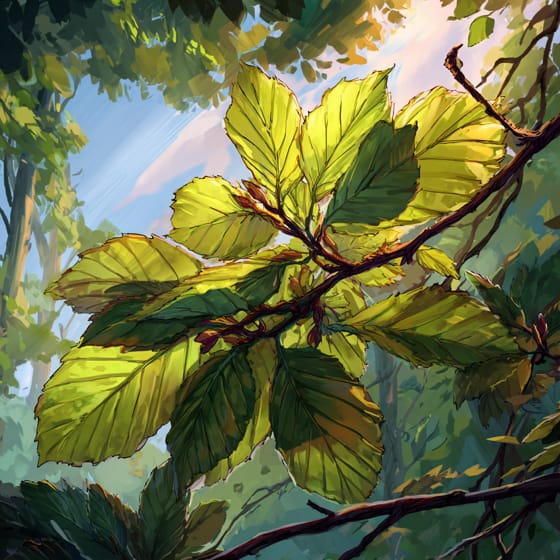
Fagus sylvatica
Grows on its dead wood
Quercus robur
Decomposes its fallen branches
Cis boleti
Larvae feed on the fungus
Deciduous plants periodically shed all their leaves, typically during autumn or dry seasons.
Spore-producing organisms reproduce by releasing small, often single-celled, reproductive units called spores.
Forest habitats are terrestrial environments dominated by dense tree cover, supporting a high diversity of plant and animal life.
Danger
1/5 · Very low
Do not pick or eat anything you find. Some plants and mushrooms can be harmful.
The easiest way to identify King Alfred's Cake is to use the Snappit nature identifier app.
2-6 cm
inedible
2-10 cm
Old trees
wood
Year-round
Dark brown
Zoom in to split clusters and explore where this object has been snapped.
Recent snaps will appear here as new observations are added.
Take the discovery with you
Snap it with Snappit to identify it, learn what makes it special, and add the discovery to your collection.