


Maritime Pine
Pinus pinaster Aiton
The Maritime Pine is a tall tree that loves the coast. It has long needles and a big, bushy top that looks like a crown.
Habitat: Coastal areas and sandy shores
The Maritime Pine is a sturdy tree with a straight trunk, often reddish-brown and deeply fissured. It has long, stiff, dark green needles in pairs and large, conical, glossy brown cones. Its sparse, open canopy often looks windswept.
Category
TreesRarity
Common
Danger
1/5 · Very low
Snaps
Be the first to snap!
It can grow in really sandy, poor soil where other trees struggle!
Its sticky sap has been used to make turpentine for centuries!
Its super-thick bark helps it survive forest fires!
Some ancient Maritime Pines have lived for over 500 years!
The Maritime Pine has thick, fire-resistant bark that helps it survive scorching wildfires.
It can grow a deep taproot, allowing it to find water in dry, sandy coastal soils.
This tree's flexible wood and strong roots help it stand firm against fierce coastal winds.
Maritime Pine can colonize poor, sandy soils, making it a pioneer in challenging environments.
Thaumetopoea pityocampa
larvae feed on its needles
.jpg&width=800)
Loxia curvirostra
feeds on its nutrient-rich seeds
Suillus granulatus
helps roots absorb water and nutrients
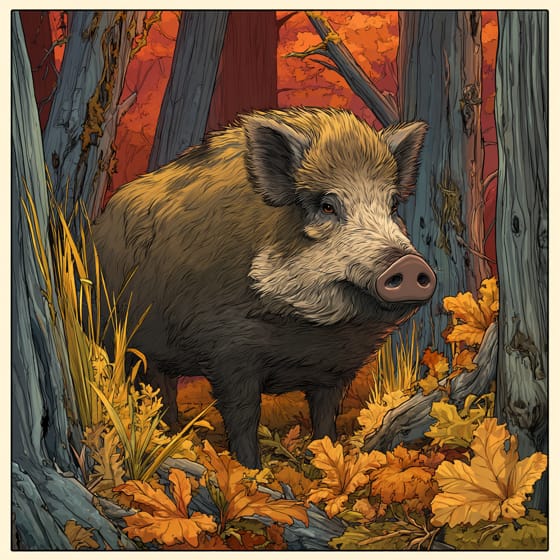
Sus scrofa
seeks cover under its dense canopy
Coniferous plants are typically evergreen, bearing needles or scales and reproductive cones.
Evergreen plants retain their foliage throughout the year, never shedding all their leaves at once.
Salt tolerant plants can withstand and grow in conditions with elevated salinity levels in the soil or water.
Timber refers to wood that has been prepared for use in building and carpentry.

Coastal habitats are dynamic environments located along the interface between land and sea, influenced by tides, waves, and saltwater.
Danger
1/5 · Very low
Do not pick or eat anything you find. Some plants and mushrooms can be harmful.
The easiest way to identify Maritime Pine is to use the Snappit nature identifier app.
15-35 m
8-15 m
No
50-120 cm
150-500 years
Coastal areas and sandy shores
Cone
Zoom in to split clusters and explore where this object has been snapped.
Recent snaps will appear here as new observations are added.
Take the discovery with you
Snap it with Snappit to identify it, learn what makes it special, and add the discovery to your collection.












