



Meadow Waxcap
Hygrocybe pratensis
The Meadow Waxcap is a colorful little mushroom that loves to grow in grassy fields. It has a bright yellow cap and can often be found after it rains!
Habitat: Meadows and grassy areas
The Meadow Waxcap has a cheerful orange-brown cap that is often dry and feels slightly waxy to the touch, starting cone-shaped and flattening with age. Its thick, widely-spaced gills are paler than the cap, sometimes creamy or yellowish, helping it stand out against green grass.
Category
FungiRarity
Rare
Danger
1/5 · Very low
Snaps
Be the first to snap!
They are one of the most common waxcap mushrooms, often appearing in large groups after autumn rains!
Unlike many fungi, Meadow Waxcaps don't have a strong smell, but they are still sometimes eaten by hungry slugs!
Waxcaps get their name because their caps often feel smooth and waxy, like they've been polished!
You can often find these bright orange mushrooms growing in ancient pastures and even old churchyards!
Meadow Waxcap can decompose dead plant matter that helps return vital nutrients to the soil for other living things.
Meadow Waxcap has a preference for undisturbed grasslands that helps signal where the soil ecosystem is healthy.
Meadow Waxcap can release millions of tiny spores that helps them spread and grow in new locations far away.

Arion ater
Grazes on fungal fruiting bodies
Helix pomatia
Feeds on various fungi
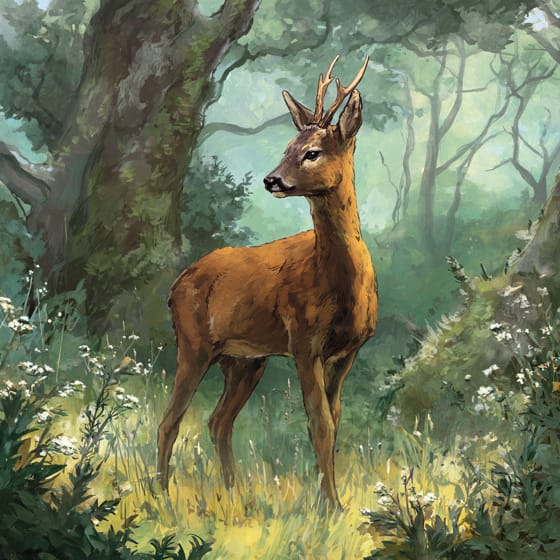
Capreolus capreolus
Deer sometimes forage on mushrooms
Cluster flowers are inflorescences where individual flowers are arranged closely together on a common stem.
Spore-producing organisms reproduce by releasing small, often single-celled, reproductive units called spores.
Grassland habitats are terrestrial biomes dominated by grasses and herbaceous plants, supporting a variety of grazing animals.
Danger
1/5 · Very low
Do not pick or eat anything you find. Some plants and mushrooms can be harmful.
The easiest way to identify Meadow Waxcap is to use the Snappit nature identifier app.
3-12 cm
edible
3-10 cm
Meadows and grassy areas
soil
Fall to early winter
White
Zoom in to split clusters and explore where this object has been snapped.
Recent snaps will appear here as new observations are added.
Take the discovery with you
Snap it with Snappit to identify it, learn what makes it special, and add the discovery to your collection.