




Morel
Morchella
Morel Mushrooms are very special with their honeycomb-like caps. They are a favorite for mushroom hunters and taste amazing!
Habitat: Forests and fields
The Morel has a distinctive honeycombed or sponge-like cap that is typically conical or oval in shape. Its colors range from yellowish-brown to dark brown or gray, often with a paler, hollow stem. This unique textured cap makes it easily recognizable.
Category
FungiRarity
Common
Danger
1/5 · Very low
Snaps
Be the first to snap!
Finding a patch of morels is often called "striking gold"!
Morels belong to a group of fungi called "cup fungi."
Some people believe morels taste like roasted nuts or even meat.
Wow! These mushrooms are actually hollow inside from top to bottom!
Morel can blend in with fallen leaves and forest debris because of its pitted cap and earthy colors that help it hide from foragers.
Morel has a mycelial network that helps it break down organic matter in the soil, releasing nutrients for nearby plants.
Morel can sometimes appear in great numbers after forest fires, using the changed soil conditions to thrive and spread spores.
Quercus rubra
Morels often grow near the roots of oak trees.
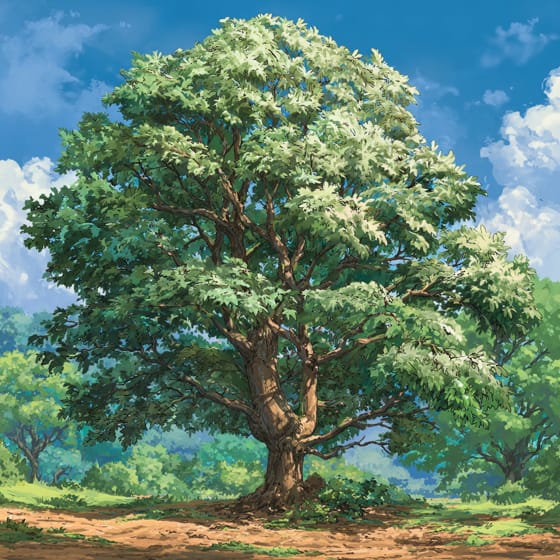
Fraxinus americana
Morels commonly form associations with ash trees.
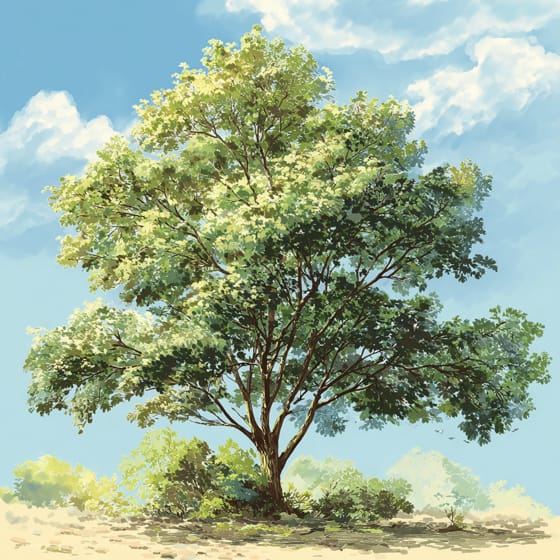
Ulmus americana
Morels frequently fruit near dying or dead elm trees.

Homo sapiens
Humans highly prize morels for their unique flavor.
Spore-producing organisms reproduce by releasing small, often single-celled, reproductive units called spores.
Edible plants are those parts of a plant that are considered safe for human consumption.
This trait refers to fungal species that are safe for human consumption when properly identified and prepared.
Forest habitats are terrestrial environments dominated by dense tree cover, supporting a high diversity of plant and animal life.
Danger
1/5 · Very low
Do not pick or eat anything you find. Some plants and mushrooms can be harmful.
The easiest way to identify Morel is to use the Snappit nature identifier app.
5-20 cm
edible
Forests and fields
soil
Spring
Pale yellow to cream
Zoom in to split clusters and explore where this object has been snapped.
Recent snaps will appear here as new observations are added.
Take the discovery with you
Snap it with Snappit to identify it, learn what makes it special, and add the discovery to your collection.














