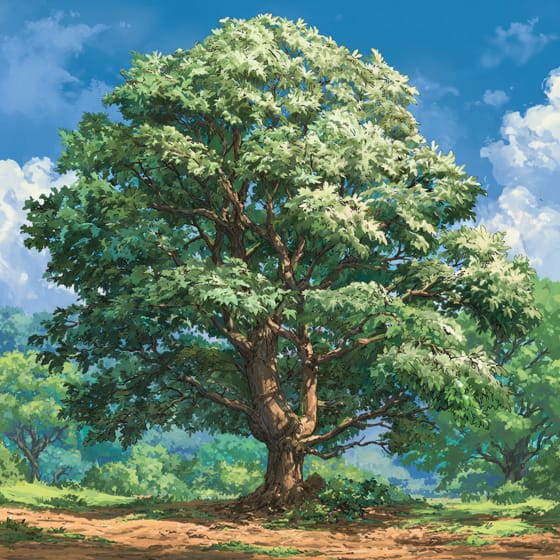





White Ash
Fraxinus americana
The White Ash is a tall tree with bright green leaves. In fall, its leaves can turn a beautiful purple or yellow!
Habitat: Forests and parks
The White Ash has distinctive greyish-brown bark with deep, intersecting ridges forming diamond patterns. Its compound leaves have 5-9 oval, dark green leaflets, turning beautiful yellow and purplish tones in autumn. It typically grows a straight trunk and a rounded crown.
Category
TreesRarity
Common
Danger
1/5 · Very low
Snaps
4
Ancient peoples used its bendy wood to craft strong bows for hunting.
Look closely: its bark often has diamond-shaped ridges you can feel.
Most professional baseball bats are made from super-strong White Ash wood!
White Ash leaves are compound, meaning many small leaflets make one big leaf!
White Ash has winged seeds (samaras) that flutter and spin, helping them travel far on the wind to find new places to grow.
White Ash can withstand strong winds and impact because it has tough, elastic wood, protecting it from breaking easily.
White Ash has special pigments in its leaves that produce stunning yellow and purple colors, signaling colder weather.
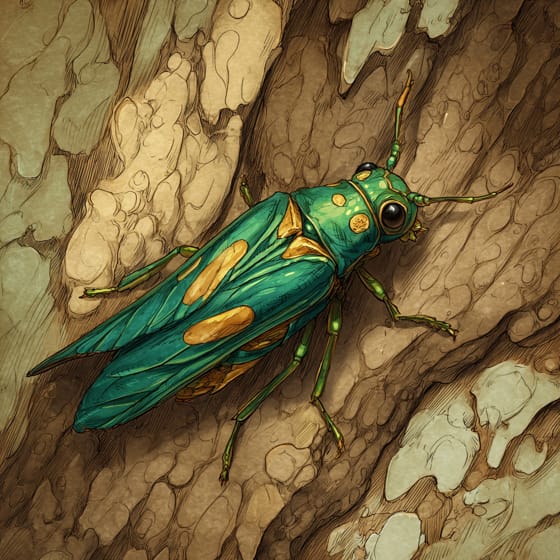
Agrilus planipennis
larvae burrow under bark, killing the tree
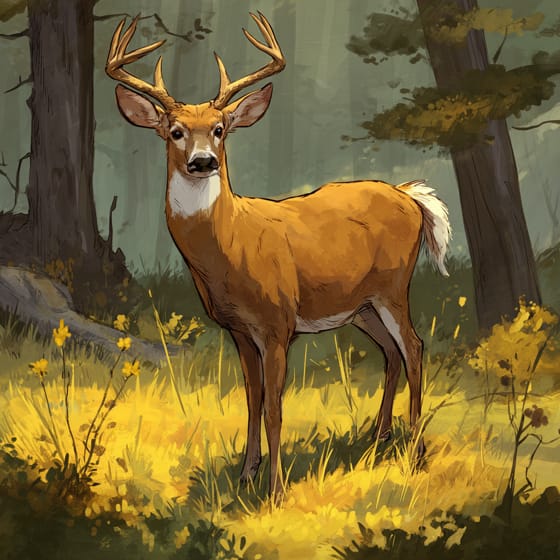
Odocoileus virginianus
browses on young ash twigs and leaves
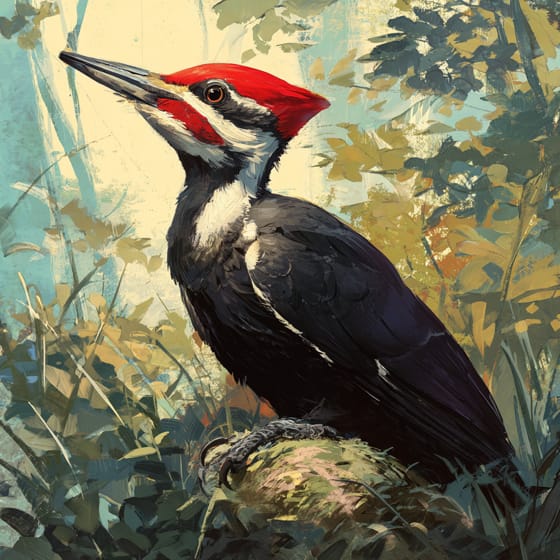
Dryocopus pileatus
feeds on insect larvae found in ash bark

Callosamia promethea
caterpillars feed on its leaves
Deciduous plants periodically shed all their leaves, typically during autumn or dry seasons.
Broadleaf trees are angiosperms characterized by flat, wide leaves that are typically shed annually in temperate climates.
Fruit-bearing plants produce fruits, which are the mature ovaries of flowering plants containing seeds.
Fall color refers to the seasonal change in foliage pigmentation, primarily in deciduous plants, displaying vibrant hues.

Rapid growing plants exhibit accelerated growth rates, quickly increasing in size and biomass within a short period.

Timber refers to wood that has been prepared for use in building and carpentry.

Forest habitats are terrestrial environments dominated by dense tree cover, supporting a high diversity of plant and animal life.
Danger
1/5 · Very low
Do not pick or eat anything you find. Some plants and mushrooms can be harmful.
The easiest way to identify White Ash is to use the Snappit nature identifier app.
15-30 m
10-15 m
No
50-150 cm
100-250 years
Forests and parks
Samara
Zoom in to split clusters and explore where this object has been snapped.

New Hampshire, US
You might spot Eastern Red-Backed Salamander and Eastern Newt.
View guide →

Massachusetts, US
You might spot Painted Turtle and Eastern White Pine.
View guide →
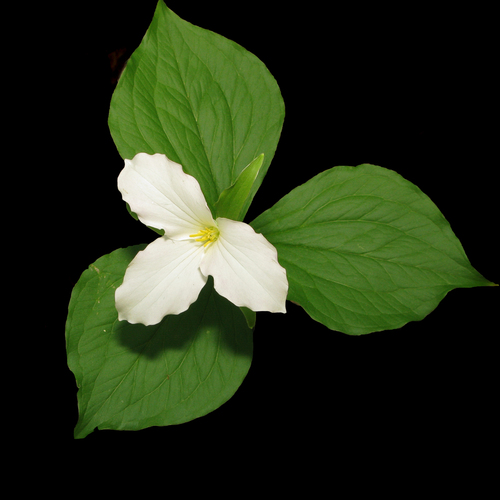
Virginia, US
You might spot Large White Trillium, Wild Geranium, and Rue Anemone.
View guide →

New Hampshire, US
You might spot Eastern Red-Backed Salamander, Eastern Newt, and Wood Frog.
View guide →
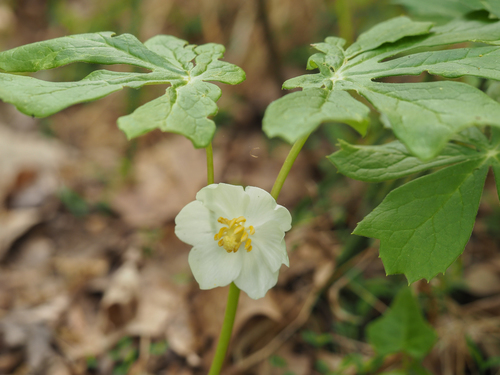
Virginia, US
You might spot Mayapple, White Ash, and Multiflora Rose.
View guide →
District of Columbia, US
You might spot American Beech, Christmas Fern, and Linden Viburnum.
View guide →
Take the discovery with you
Snap it with Snappit to identify it, learn what makes it special, and add the discovery to your collection.






