





Okapi
Okapia johnstoni
The okapi is a gentle animal that looks like a mix between a horse and a zebra! They live in the lush rainforests of Africa and are known for their long necks and beautiful stripes.
Habitat: Rainforests of Africa
The Okapi has a reddish-brown, velvety coat with striking zebra-like white stripes on its hindquarters and front legs. Its face is creamy white, contrasting with its large, dark ears and long, bluish-grey prehensile tongue. Males also have short, skin-covered horns called ossicones.
Category
MammalsRarity
Common
Danger
1/5 · Very low
Snaps
Be the first to snap!
Baby okapis can stand and even nurse just 30 minutes after being born!
Each okapi has a unique pattern of stripes, like a human's fingerprint!
Okapis are the closest living relatives to the giraffe, even though they look different!
Their incredibly long, blue tongue can reach their own ears to clean them!
Okapi can rotate their large ears independently to pinpoint the faintest sounds, helping them detect predators.
Okapi has a long, prehensile bluish-grey tongue that can reach high leaves and strip them off branches with precision.
Okapi has scent glands on their feet that leave a unique, tar-like scent trail, helping them mark territory.
Okapi has dark stripes on its legs and hindquarters that blend into the dappled light, making it hard to spot.
Okapis munch on a variety of leaves, shoots, fruits, and fungi found in their forest home.
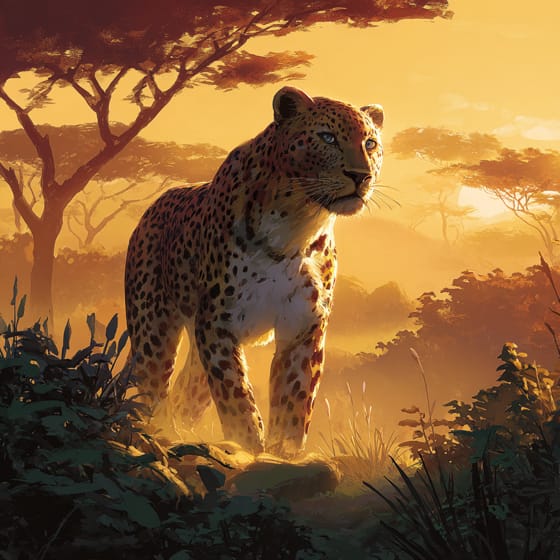
Panthera pardus
Leopards are a primary predator, especially of young okapis.
Musa acuminata
Consumes leaves from various rainforest plants, including wild banana.
Macaranga schweinfurthii
Feeds on leaves and shoots of many rainforest trees.
Strychnos icaja
Eats fruits and seeds from diverse forest plants, some toxic.
Furry describes animals possessing a dense covering of soft hair or fur.
Marked with parallel bands or lines of color.
Solitary animals live alone for most of their lives, only interacting with others for mating or parental care.
This trait characterizes organisms whose diet consists entirely or primarily of plant material.

This trait signifies organisms belonging to a very old evolutionary group with ancestors dating back millions of years.

Forest habitats are terrestrial environments dominated by dense tree cover, supporting a high diversity of plant and animal life.

This trait characterizes organisms with an exceptionally long lifespan compared to others of their kind.

This habitat trait refers to species found in tropical rainforests, characterized by high annual rainfall, high biodiversity, and dense tree cover.

Nocturnal animals are primarily active during the nighttime hours, typically resting or sleeping during the day.
No aliases listed yet.
Danger
1/5 · Very low
Okapis are gentle animals and are not dangerous. It's always best to admire them from a distance.
The easiest way to identify Okapi is to use the Snappit nature identifier app.
190-250 cm
200-350 kg
15-20 years
55 km/h
Okapis munch on a variety of leaves, shoots, fruits, and fungi found in their forest home.
Rainforests of Africa
Foraging
Zoom in to split clusters and explore where this object has been snapped.
Recent snaps will appear here as new observations are added.
New York, US
You might spot Gorilla, Tiger, and Snow Leopard.
View guide →
Indiana, US
You might spot Giraffes, African Lion, and Southern White Rhinoceros.
View guide →
%2C_Playa_de_Boulders%2C_Simon%27s_Town%2C_Sud%C3%A1frica%2C_2018-07-23%2C_DD_11.jpg&width=800)
Maryland, US
You might spot African Penguin, Reticulated Giraffe, and African Elephant.
View guide →

South Holland, NL
You might spot Polar Bear, Gorilla, and Asiatic Lion.
View guide →

Florida, US
You might spot Baobab, African Elephant, and Giraffes.
View guide →

Berlin, DE
You might spot Giant Panda, Asian Elephant, and Hippopotamus.
View guide →
Take the discovery with you
Snap it with Snappit to identify it, learn what makes it special, and add the discovery to your collection.




.jpg&width=800)


.JPG&width=800)


.jpg&width=800)
