





Orchid
Orchidaceae
Orchids are one of the most beautiful flowers in the world, with many unique shapes and colors. They are often seen in exotic places!
Habitat: Tropical forests and gardens
The Orchid has remarkably diverse and intricate flowers, often brightly colored with complex patterns and a distinctive 'lip' petal. Their unique bilateral symmetry and varied forms, from tiny to spectacular, make them instantly recognizable.
Category
PlantsRarity
Common
Danger
1/5 · Very low
Snaps
Be the first to snap!
Many tiny orchid seeds need special fungi in the soil to help them grow into plants.
One amazing orchid flower can stay perfectly fresh and vibrant for up to three months!
Some tiny orchid seeds are so light they can float in the wind for many miles!
The vanilla bean, used in many delicious treats, actually comes from a type of orchid!
Orchids can mimic other insects or flowers to trick specific pollinators into visiting without offering nectar.
Many orchids have special roots that grow in the air, allowing them to absorb moisture and nutrients directly from humid environments.
Some orchids have pseudobulbs, swollen stems that store water and food, helping them survive dry periods.
Apis mellifera
Collects pollen from many orchid species.
Euglossa dilemma
Males collect fragrance compounds for display.
Bombus terrestris
Visits various orchid flowers for pollination.
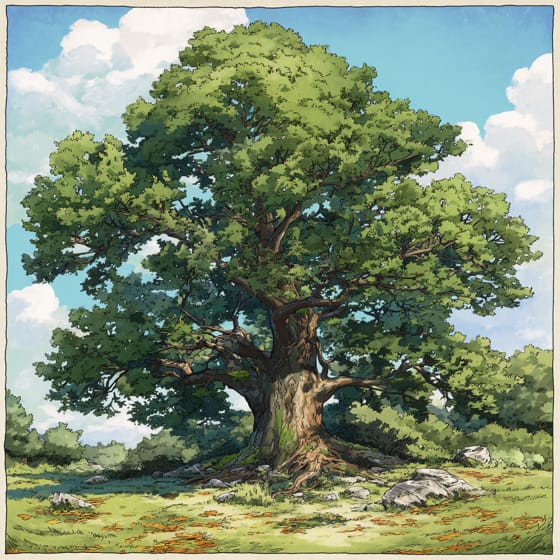
Quercus robur
Epiphytic orchids can grow harmlessly on its branches.
Flowering plants are any plants that produce flowers as part of their reproductive cycle.
Ornamental plants are cultivated primarily for their aesthetic appeal, enhancing landscapes and gardens with their attractive foliage, flowers, or form.
Evergreen plants retain their foliage throughout the year, never shedding all their leaves at once.
Fragrant flowers emit a pleasant aroma, often to attract pollinators or for defense.

This habitat trait refers to species found in tropical rainforests, characterized by high annual rainfall, high biodiversity, and dense tree cover.
Danger
1/5 · Very low
Explore with care and ask an adult if you’re unsure what to do.
The easiest way to identify Orchid is to use the Snappit nature identifier app.
1-200 cm
1-100 cm
0.1-40 cm
Various, often extended periods
No
None
Perennial
Zoom in to split clusters and explore where this object has been snapped.
Recent snaps will appear here as new observations are added.
Take the discovery with you
Snap it with Snappit to identify it, learn what makes it special, and add the discovery to your collection.








.jpg&width=800)


_001.jpg&width=800)



