





Prickly Pear Cactus
Opuntia ×columbiana Griffiths
Prickly Pear Cactus has flat pads and colorful fruits that are fun to look at! They can add a splash of color to any garden.
Habitat: Deserts and dry areas
The Prickly Pear Cactus is easily recognized by its flattened, paddle-shaped stems, often covered in sharp spines and tiny, barbed bristles called glochids. Its vibrant yellow, orange, or red flowers bloom into edible, pear-shaped fruits, adding splashes of color to arid landscapes.
Category
PlantsRarity
Common
Danger
1/5 · Very low
Snaps
Be the first to snap!
It can live for decades, adapting to extreme heat and drought.
Its bright red dye comes from tiny insects living on its pads!
Some species grow so tall they look like small trees!
The fruit, called "tuna," tastes sweet and is great in jams.
Prickly Pear Cactus has thick, succulent pads that store water, helping it survive long periods without rain in hot, dry environments.
Prickly Pear Cactus has sharp spines and tiny glochids that deter hungry animals from eating its juicy pads and fruits.
Prickly Pear Cactus can grow new plants from broken pads that fall to the ground, easily spreading to new areas.
Apis mellifera
Gathers nectar and pollen from its flowers.
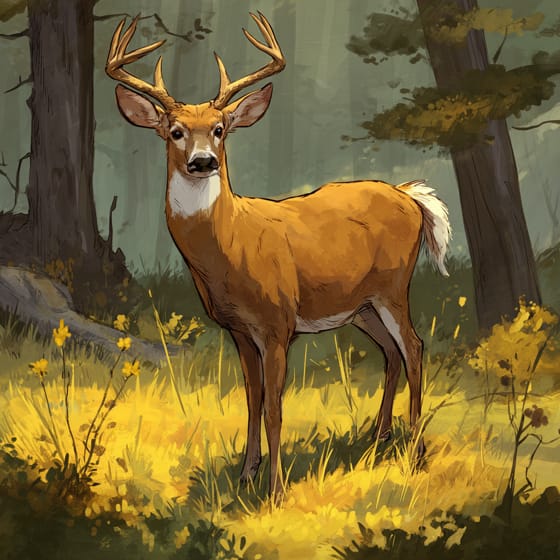
Odocoileus virginianus
Feeds on its pads, especially during dry seasons.
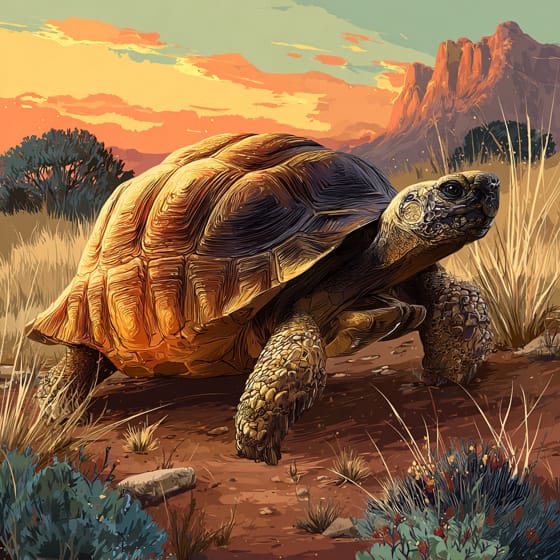
Gopherus agassizii
Relies on its pads and fruits for food and water.
Dactylopius coccus
Lives on the cactus, feeding on its sap.
Spring blooming plants produce their flowers during the spring season, often signifying the end of winter and the start of new growth.
Fruit-bearing plants produce fruits, which are the mature ovaries of flowering plants containing seeds.
Pertaining to plants that have stems covered with sharp, pointed projections for defense.
Drought-tolerant plants can survive and flourish in conditions with limited water availability.

Succulent plants have thickened, fleshy parts, usually leaves or stems, adapted to store water in arid climates.

Edible plants are those parts of a plant that are considered safe for human consumption.

Desert habitats are arid regions characterized by extremely low precipitation and often extreme temperatures, supporting specialized flora and fauna.

Possessing sharp, pointed projections or spines on the body or surface.
Danger
1/5 · Very low
Explore with care and ask an adult if you’re unsure what to do.
The easiest way to identify Prickly Pear Cactus is to use the Snappit nature identifier app.
50-200 cm
100-300 cm
5-10 cm
Spring to early Summer
Yes
None
Perennial
Zoom in to split clusters and explore where this object has been snapped.
Recent snaps will appear here as new observations are added.
Take the discovery with you
Snap it with Snappit to identify it, learn what makes it special, and add the discovery to your collection.









.jpg&width=800)



_001.jpg&width=800)



