





Rankin's Dragon
Pogona henrylawsoni
Rankin's Dragon is a small lizard that loves to run around and explore! It's very curious and friendly.
Habitat: Dry forests and grasslands
The Rankin's Dragon is a small, stout lizard with a distinctively round, less spiky head compared to other dragons. Its body is typically sandy brown to grey, often with subtle darker markings. It lacks the prominent 'beard' found on its larger relatives.
Category
ReptilesRarity
Common
Danger
2/5 · Low
Snaps
Be the first to snap!
Dragons can't breathe fire, but they LOVE hot, sunny places in Australia!
Rankin's Dragons wave an arm to other dragons, like a friendly 'hello' in the wild!
They can change their skin color slightly to warm up or cool down fast!
They dig burrows under rocks or logs to escape the desert's scorching heat.
Rankin's Dragon can flatten its body to absorb more sunlight, helping them warm up quickly in cool desert mornings.
Rankin's Dragon has sandy-colored scales that help them blend perfectly into their arid environment, hiding from predators.
Rankin's Dragon can burst into short, fast sprints to quickly catch insects or escape danger with strong legs.
These omnivores munch on insects, leafy greens, and sometimes even small fruits.
Age differences: Young dragons eat more insects for essential growth and protein.
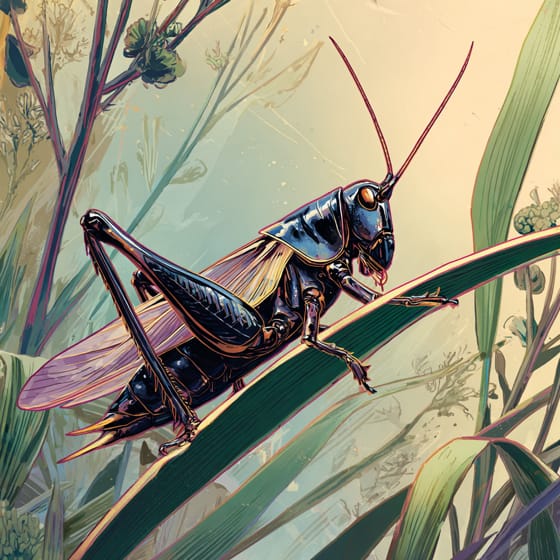
Gryllus assimilis
A common insect prey item.
Tenebrio molitor
Both larvae and adult beetles are food.
Aquila audax
A major bird of prey in Australia.
Varanus gouldii
Large lizard predator in their habitat.
Wildlife encompasses all undomesticated animal and plant life existing in their natural habitats.
Climbing or vine plants are characterized by a growth habit that allows them to ascend upwards by twining, tendrils, or adhesive roots.
This trait identifies organisms whose diet primarily consists of insects and other small invertebrates.
This trait characterizes organisms with an exceptionally long lifespan compared to others of their kind.
No aliases listed yet.
Danger
2/5 · Low
Look but don’t touch. Keep a safe distance and wash hands after exploring.
The easiest way to identify Rankin's Dragon is to use the Snappit nature identifier app.
25-30 cm
0.15-0.25 kg
5-15 years
20 km/h
These omnivores munch on insects, leafy greens, and sometimes even small fruits.
Dry forests and grasslands
Foraging
Zoom in to split clusters and explore where this object has been snapped.
Recent snaps will appear here as new observations are added.
Take the discovery with you
Snap it with Snappit to identify it, learn what makes it special, and add the discovery to your collection.
















