





Field Cricket
Teleogryllus oceanicus
Field Crickets are black or brown insects that love to chirp in the fields. Their song is a sign of warm weather!
Habitat: Fields and meadows
The Field Cricket has a robust, dark brown to black body with long antennae and a shiny appearance. Its hard, leathery forewings cover delicate hind wings, and it features powerful jumping legs. Females are distinguished by a prominent, sword-like egg-laying tube called an ovipositor at their rear.
Category
InsectsRarity
Common
Danger
2/5 · Low
Snaps
Be the first to snap!
Crickets use their long antennae to feel and smell their surroundings.
Only male crickets chirp; it's like their own tiny rock band!
Their "ears" are actually on their front knees, not their heads!
They taste things with special sensors on their feet, like tiny tongues!
Field Crickets can "sing" loudly by rubbing their forewings together, attracting mates over long distances in the night.
Field Crickets can leap many times their body length using their powerful hind legs, helping them escape danger quickly.
Field Crickets can dig burrows in the soil using their strong front legs, creating safe homes and hiding spots underground.
An omnivore, the Field Cricket eats a mix of plants, seeds, and smaller insects.
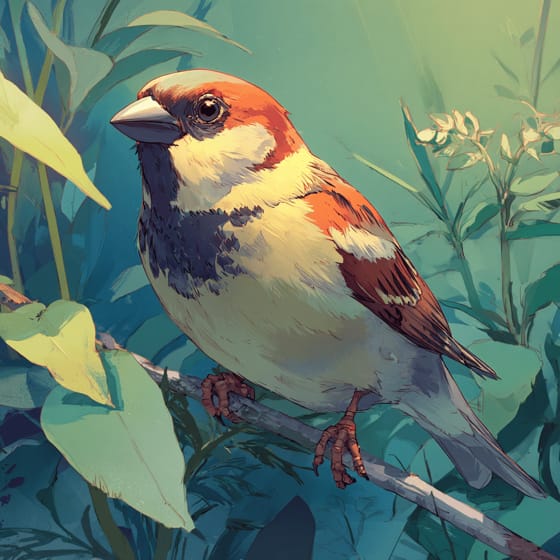
Passer domesticus
A common bird that preys on crickets in urban and rural areas.

Rattus rattus
Rats are opportunistic predators and will consume crickets when available.
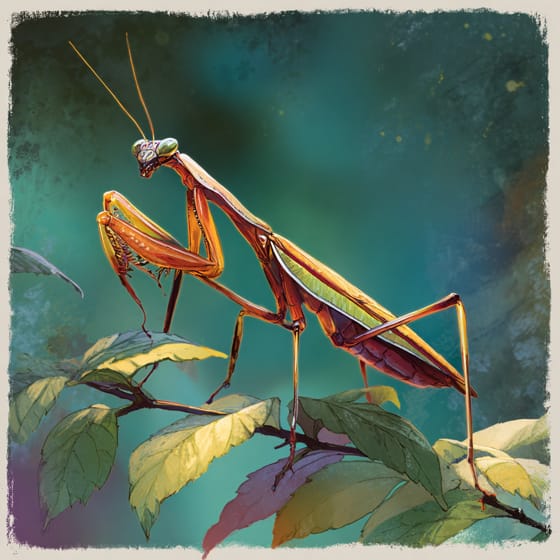
Mantis religiosa
Mantises are ambush predators, hunting insects like crickets.
Lolium perenne
A common grass species that crickets feed on in lawns and pastures.
Wildlife encompasses all undomesticated animal and plant life existing in their natural habitats.
Singing animals produce complex vocalizations, often for purposes of attracting mates, defending territory, or communicating within their species.
This human use trait describes species cultivated or domesticated by humans for agricultural purposes, including crops and livestock.
Grassland habitats are terrestrial biomes dominated by grasses and herbaceous plants, supporting a variety of grazing animals.

This trait characterizes organisms whose diet consists entirely or primarily of plant material.

Nocturnal animals are primarily active during the nighttime hours, typically resting or sleeping during the day.
Danger
2/5 · Low
Do not touch or pick up. Some insects sting or bite. Ask an adult for help.
The easiest way to identify Field Cricket is to use the Snappit nature identifier app.
40-60 mm
15-30 mm
60-90 days
8 km/h
An omnivore, the Field Cricket eats a mix of plants, seeds, and smaller insects.
Fields and meadows
Foraging
Zoom in to split clusters and explore where this object has been snapped.
Recent snaps will appear here as new observations are added.
Take the discovery with you
Snap it with Snappit to identify it, learn what makes it special, and add the discovery to your collection.







.jpg&width=800)




