




Red-belted Bracket
Fomitopsis
The Red-belted Bracket is a bright red fungus that grows on trees. It has a beautiful belt of color and is fun to spot in the woods!
Habitat: On decaying trees in forests
The Red-belted Bracket is a shelf-like fungus with a distinctive red or orange band near its growing edge. Its upper surface ranges from grey to brown, often with concentric growth rings, while the underside is a smooth, creamy white.
Category
FungiRarity
Rare
Danger
1/5 · Very low
Snaps
Be the first to snap!
If you cut it open, you can see rings, just like a tree, showing its age!
It feels like a piece of wood, not a soft mushroom, because it's so tough!
Some people once used dried pieces of this fungus to sharpen their tools!
This fungus creates thousands of tiny spores from its smooth white underside every day!
Red-belted Bracket can break down tough dead wood, helping recycle nutrients back into the forest soil.
Red-belted Bracket has a unique ability to grow new layers each year, allowing it to live for decades.
Red-belted Bracket has a very hard, woody texture that protects it from many hungry creatures.
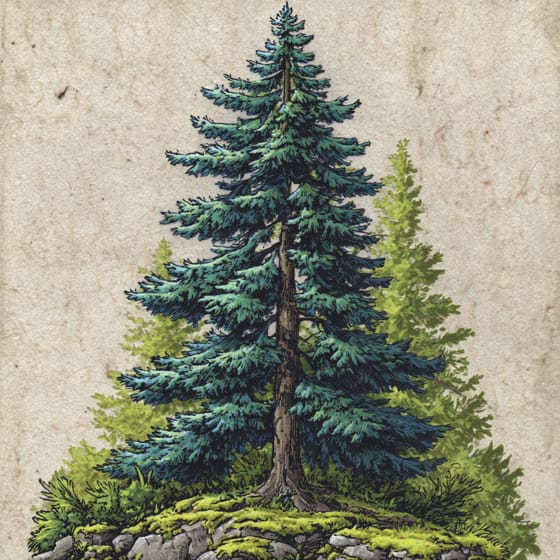
Picea sitchensis
causes brown heart rot in living trees
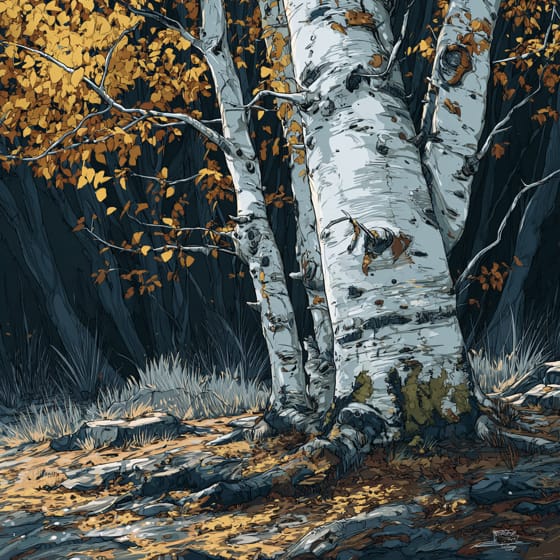
Betula papyrifera
infects weakened or injured hardwoods
Cis boleti
larvae and adults feed on the fungus
Spore-producing organisms reproduce by releasing small, often single-celled, reproductive units called spores.
Forest habitats are terrestrial environments dominated by dense tree cover, supporting a high diversity of plant and animal life.
This trait characterizes organisms with an exceptionally long lifespan compared to others of their kind.
Danger
1/5 · Very low
Do not pick or eat anything you find. Some plants and mushrooms can be harmful.
The easiest way to identify Red-belted Bracket is to use the Snappit nature identifier app.
3-15 cm
inedible
10-40 cm
On decaying trees in forests
wood
Year-round
White
Zoom in to split clusters and explore where this object has been snapped.
Recent snaps will appear here as new observations are added.
Take the discovery with you
Snap it with Snappit to identify it, learn what makes it special, and add the discovery to your collection.