





Red Imported Fire Ant
Solenopsis invicta
Red Imported Fire Ants are small, reddish-brown ants that live in big colonies. They are known for their painful sting and are often found in warm places like gardens and fields.
Habitat: Urban areas
The Red Imported Fire Ant has a reddish-brown body with a darker, sometimes shiny, abdomen. Its body segments vary in size, from small to medium workers, and it lacks obvious hairs. Look for its distinctive two-segmented 'waist' (petiole) that sets it apart.
Category
InsectsRarity
Common
Danger
3/5 · Moderate
Snaps
10
A single fire ant colony can spread over an area the size of a tennis court!
Fire ants are super strong, lifting objects up to 50 times their own weight!
Some fire ant colonies can have many queens, helping them grow super huge!
Their nests can reach deep underground, like a secret ant metropolis!
Red Imported Fire Ants can deliver a painful, burning sting because of potent venom that helps them defend their colony.
Red Imported Fire Ants can link their bodies together to form floating rafts that helps them survive floods and travel on water.
Red Imported Fire Ants has queens that can lay thousands of eggs daily that helps their colony grow quickly and spread far.
These omnivorous ants eat almost anything they find, from insects to seeds and even young plants!
Pseudacteon tricuspis
These tiny flies lay eggs on fire ants, causing them to lose their heads.
Dasypus novemcinctus
Armadillos are known to dig up fire ant nests and eat the workers.
Pheidole dentata
Red Imported Fire Ants often outcompete and prey on this native ant species.
Social animals live in organized groups, cooperating for survival benefits such as foraging, defense, and raising offspring.
This trait identifies organisms whose diet includes both plant and animal matter.
Burrowing animals dig tunnels and chambers in the ground, using these subterranean structures for shelter, hunting, or breeding.
Colorful describes organisms or objects displaying a wide range of bright and distinct colors.

Describes organisms that break down dead organic material, recycling nutrients back into the ecosystem.

Describes a species whose presence and role have a disproportionately large effect on its environment.

Pertaining to species that are significantly smaller than typical or average for their kind.

This trait identifies organisms that exhibit exceptional swiftness in movement for hunting, escape, or travel.

This habitat trait indicates species that can coexist with humans in urban and suburban environments, utilizing man-made structures and green spaces.

Invasive species are non-native organisms that cause harm to the environment, economy, or human health.

Venomous organisms produce toxins that are injected into another animal, typically through a bite or sting.
Danger
3/5 · Moderate
Be careful around fire ant mounds and avoid disturbing them, as their sting can hurt.
The easiest way to identify Red Imported Fire Ant is to use the Snappit nature identifier app.
2-6 mm
30-90 days
These omnivorous ants eat almost anything they find, from insects to seeds and even young plants!
Urban areas
Foraging
6
500000
Zoom in to split clusters and explore where this object has been snapped.

Virginia, US
You might spot Cope's Gray Tree Frog and Basilica Orbweaver.
View guide →

Florida, US
You might spot Atala, Monarch, and Brown Anole.
View guide →
Florida, US
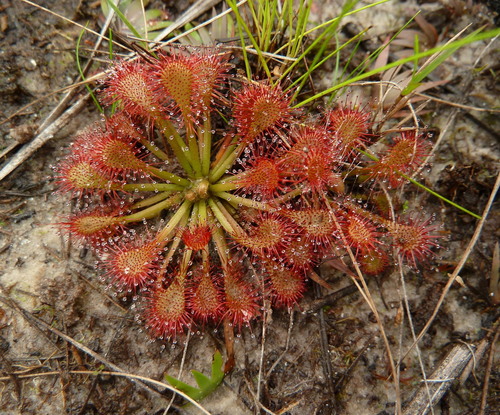
You might spot Pink Sundew, Drooping Forked Fern, and Netted Pawpaw.
View guide →

Texas, US
You might spot African Elephant, Reticulated Giraffe, and African Lion.
View guide →

Mississippi, US
You might spot Giraffes, Two-Toed Sloths, and Emu.
View guide →
%2C_Playa_de_Boulders%2C_Simon%27s_Town%2C_Sud%C3%A1frica%2C_2018-07-23%2C_DD_11.jpg&width=800)
Arkansas, US
You might spot African Penguin, Cheetahs, and Asian Elephant.
View guide →
Take the discovery with you
Snap it with Snappit to identify it, learn what makes it special, and add the discovery to your collection.










.jpg&width=800)


