
African Lion

Nestled amidst the picturesque landscapes of the Texas Hill Country, the Austin Zoo offers a truly unique and heartwarming experience, standing apart from conventional zoos.
Nestled amidst the picturesque landscapes of the Texas Hill Country, the Austin Zoo offers a truly unique and heartwarming experience, standing apart from conventional zoos. This non-profit rescue zoo is dedicated to providing a permanent home and rehabilitation for animals in need, each with its own compelling backstory of rescue from neglect, abandonment, or previous unsuitable environments. Visitors can immerse themselves in a sanctuary that prioritizes the welfare of its residents, fostering a deep appreciation for the animal kingdom through a mission of rescue, conservation, and education.The visitor experience at Austin Zoo is intimate and engaging, allowing for closer connections with its diverse inhabitants. Home to over 300 animals representing more than 100 different species, the zoo provides ample opportunities for discovery.
Guests can wander through meticulously designed habitats, observing majestic African lions like Aesa and Gaia, encountering the powerful Bengal tiger Zulema (a rescued white tiger), and watching playful North American black bears. The circular layout guides visitors through various sections, including aviaries filled with vibrant Blue and Gold Macaws and Rainbow Lorikeets, the curious primates in the Primate Palace like ring-tailed lemurs, and the fascinating residents of the Reptile House, including the unique Leucistic Texas Rat Snakes.Beyond passive observation, the Austin Zoo encourages active participation. A popular highlight is the Hoofstock Feeding Area, where visitors can interact with and feed friendly goats, llamas, alpacas, and sheep.
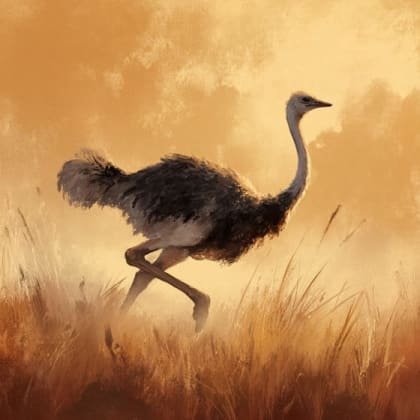
For an even more personal connection, special animal encounters are available with gentle giants like the Galápagos tortoises or the gregarious capybaras. The zoo also features daily zookeeper chats, offering insightful tales and fascinating facts about the animals and their care, along with a charming train ride that provides scenic views of the Texas Hill Country and glimpses of animals like zebras and ostriches. Every visit not performs a memorable day out but also directly supports the vital rescue and conservation work of the zoo. Eager to name that creature? Identify any animal you find during your visit using the Snappit app.
The Austin Zoo began its journey not as a zoo, but as a goat ranch. In 1990, it evolved into the "Good Day Ranch," providing a much-needed home for domestic and local animals. As the demand for rescue and rehabilitation grew, the ranch expanded to include a wider array of exotic animals. Reflecting this evolving mission, it was officially renamed the Austin Zoo in 1994. By 2000, the organization transitioned into a 501(c)(3) non-profit, solidifying its commitment to animal welfare through rescue, conservation, and education. Today, it stands as a permanent sanctuary for animals acquired from various challenging circumstances, including those rescued from abusive situations, relinquished by owners, or retired from other facilities.
Engage with daily zookeeper chats to learn about the animals, feed the hoofstock, enjoy a ride on the Zoo Train for scenic views, and explore the various animal habitats, including the Primate Palace and Aviaries.
Texas summers can be intensely hot with limited shade, so planning an early morning visit is highly recommended. Bring plenty of water to stay hydrated. Animal activity may decrease during the hottest parts of the day.
The Austin Zoo features uneven, rocky dirt trails rather than paved pathways, which can present significant challenges for visitors using wheelchairs or those with physical impairments. The train ride also does not currently offer a ramp or accessible seating.
Big Cat exhibits to see African Lions and the white Bengal Tiger, Zulema
The North American Black Bear habitat
The interactive Hoofstock Feeding Area
The Reptile House
Each card links to a full Explore page with photos, traits, and fun facts.
Start with the big picture, then zoom in to explore individual wildlife observations around this place.
Arrive Early
Visit right at opening to experience cooler temperatures and see animals at their most active.
Wear Comfortable Shoes
The zoo features uneven, rocky dirt trails, so sturdy and comfortable footwear is essential.
Bring Your Own Water and Snacks
Stay hydrated, especially on warm days. You are allowed to bring outside food and enjoy it in the picnic areas.
Check Zookeeper Chat Schedules
Consult the daily schedule upon arrival or online to plan your visit around informative animal talks and feedings.
Consider an Animal Encounter
For a truly memorable experience, book a private encounter with the Capybaras or Galápagos Tortoises in advance.
Parking is Free
Take advantage of the convenient and free on-site parking.
Mar 3, 2026
Mar 2, 2026
Mar 2, 2026
Feb 27, 2026
Feb 22, 2026

Michigan, US
You might spot African Lion, Komodo Dragon, and Brown Bear.
View guide →
.jpg)
Municipal District of Cobh, IE
You might spot Ring-Tailed Lemur, Giraffes, and Cheetahs.
View guide →

Nouvelle-Aquitaine, FR
You might spot Greater Flamingo, Giraffes, and Red Panda.
View guide →

Texas, US
You might spot Giraffes, African Lion, and Eastern Black Rhinoceros.
View guide →
Take the discovery with you
Identify the wildlife you spot, learn as you go, and keep a collection of the adventure.