




Sheet Weaver
Catonetria caeca Millidge &
Sheet Weavers are tiny spiders that build their webs on flat surfaces like leaves or stones. They are skilled at camouflaging their webs to catch unsuspecting prey.
Habitat: Forests
The Sheet Weaver is a small, slender insect, typically grey or light brown with delicate, somewhat translucent wings. It has long, segmented antennae and a narrow abdomen, allowing it to move easily through its silken constructions. Its understated coloration helps it blend into tree bark.
Category
InsectsRarity
Common
Danger
2/5 · Low
Snaps
Be the first to snap!
Baby Sheet Weavers help build the colony's nest right after hatching!
Sheet Weavers' silk can be stronger than steel by weight!
Some Sheet Weaver nests can house hundreds of insects!
They communicate using scent trails laid across their silk sheets.
Sheet Weaver can produce large quantities of specialized silk because of powerful glands that help them build extensive communal nests.
Sheet Weaver can create multi-layered silk sheets with specific entry points that helps them protect their colony from predators and harsh weather.
Sheet Weaver has specialized leg receptors that help them detect tiny vibrations on their silken sheets to warn of approaching threats or prey.
Sheet Weaver can integrate natural debris into its silken sheets that helps them camouflage their nests against tree trunks and branches.
Sheet Weavers mostly sip sweet plant juices, but also trap small insects on their sticky silken sheets!
Age differences: Larvae are fed regurgitated food and plant fluids by adult workers.
%2C_Parc_de_Woluw%C3%A9%2C_Brussels_(13042792905).jpg&width=800)
Parus major
Adult Sheet Weavers can be prey for insectivorous birds.
Aphis fabae
Sheet Weavers trap and consume these small insects on their sheets.
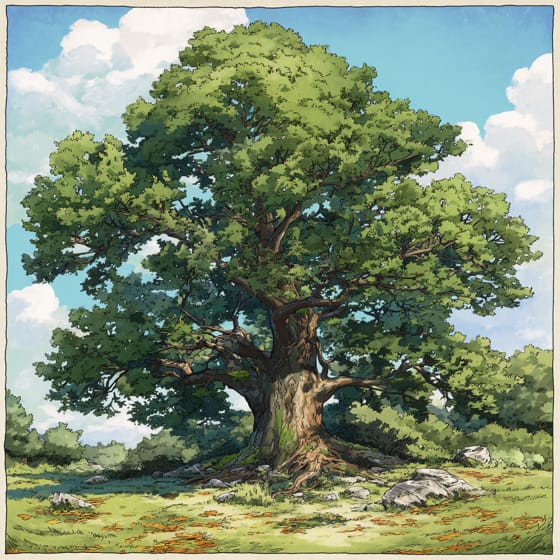
Quercus robur
Their silken nests are often built on the bark of oak trees.
Cotesia glomerata
Larvae can be targeted by these tiny parasitic wasps.
Wildlife encompasses all undomesticated animal and plant life existing in their natural habitats.
This trait characterizes organisms that construct elaborate silken webs for catching prey, shelter, or reproduction.
Camouflaged describes organisms that possess coloring or patterns that allow them to blend into their environment.
This trait identifies organisms whose diet primarily consists of insects and other small invertebrates.

An ambush predator hunts by patiently waiting and concealing itself, then launching a sudden attack when unsuspecting prey comes within range.

Forest habitats are terrestrial environments dominated by dense tree cover, supporting a high diversity of plant and animal life.
No aliases listed yet.
Danger
2/5 · Low
Avoid touching spider webs in the wild as some spiders may bite if they feel threatened.
The easiest way to identify Sheet Weaver is to use the Snappit nature identifier app.
15-25 mm
5-10 mm
45-75 days
8 km/h
Sheet Weavers mostly sip sweet plant juices, but also trap small insects on their sticky silken sheets!
Forests
Ambush
Zoom in to split clusters and explore where this object has been snapped.
Recent snaps will appear here as new observations are added.
Take the discovery with you
Snap it with Snappit to identify it, learn what makes it special, and add the discovery to your collection.









.jpg&width=800)



