



Thyme
Thymus vulgaris
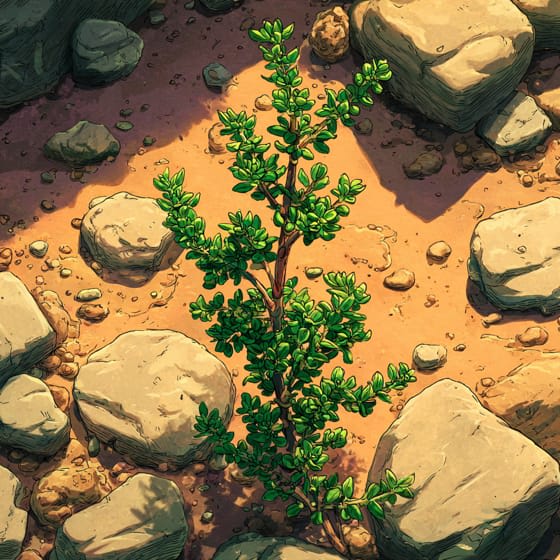
Thyme is a small herb with tiny leaves and a strong scent. It grows close to the ground and is often used in cooking.
Habitat: Gardens and fields
The Thyme is a low-growing subshrub with tiny, oval, often grayish-green leaves that feel slightly leathery. It produces clusters of small, delicate, tubular flowers in shades of lavender, pink, or white, creating a soft, mat-like appearance visually distinct from taller herbs.
Category
PlantsRarity
Common
Danger
1/5 · Very low
Snaps
Be the first to snap!
Ancient Egyptians used thyme to help preserve their pharaohs' mummies.
Honey made from thyme flowers is super fragrant and highly prized by chefs.
Romans believed that thyme could fill them with courage and strength.
Thyme plants can live for many years, with some varieties lasting decades!
Thyme has special glands that produce potent essential oils, like thymol, which help protect it from pests and diseases.
Thyme can survive in dry, rocky soils because its small, leathery leaves reduce water loss and its roots go deep.
Thyme grows close to the ground, which helps it stay warm in cold weather and avoid being damaged by strong winds.
Apis mellifera
Vital for spreading Thyme's pollen.
Bombus impatiens
Key pollinator, especially in North America.

Helix aspersa
Can browse young Thyme shoots.
Ovis aries
Grazing animals may nibble on Thyme.
Aromatic plants produce and emit fragrant volatile organic compounds, often for defense or to attract pollinators.
Groundcover plants are low-growing vegetation that spreads horizontally to cover the ground, often suppressing weeds and preventing soil erosion.
Spring blooming plants produce their flowers during the spring season, often signifying the end of winter and the start of new growth.
Medicinal plants possess chemical compounds that can be used for therapeutic purposes to treat illnesses or maintain health.

Edible plants are those parts of a plant that are considered safe for human consumption.

Grassland habitats are terrestrial biomes dominated by grasses and herbaceous plants, supporting a variety of grazing animals.

This human use trait indicates species from which spices are derived, used for flavoring, preserving food, or as aromatic agents.
Danger
1/5 · Very low
Explore with care and ask an adult if you’re unsure what to do.
The easiest way to identify Thyme is to use the Snappit nature identifier app.
15-30 cm
15-30 cm
0.3-0.8 cm
Late spring to early summer
Yes
None
Perennial
Zoom in to split clusters and explore where this object has been snapped.
Recent snaps will appear here as new observations are added.
Take the discovery with you
Snap it with Snappit to identify it, learn what makes it special, and add the discovery to your collection.









.jpg&width=800)



_001.jpg&width=800)



