






Gadwall
Mareca strepera
The Gadwall is a lovely duck that loves to swim in ponds and lakes. It has a grayish-brown body and is often seen with other ducks, making it a friendly bird to watch!
生息地: Wetlands
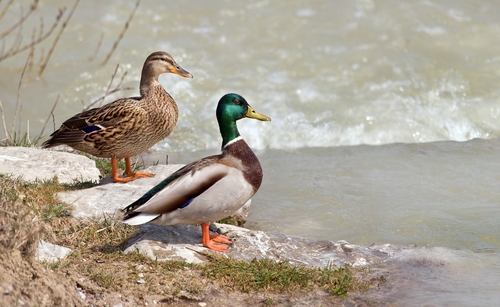
The Gadwall is a medium-sized grey-brown duck. Males have fine patterns on their body, a black rear, and a striking white speculum (wing patch) visible in flight. Females are mottled brown but also possess a white speculum, distinguishing them from many other dabbling ducks.
カテゴリ
鳥類レア度
Common
危険度
1/5 · 非常に低い
スナップ
最初にスナップしよう!
A female Gadwall might lay her eggs in another duck's nest sometimes!
Gadwall ducks often build their nests far from water, hidden in tall grasses!
These ducks are found all over the world, from America to Asia!
They don't quack much; instead, males make a deep, reedy whistle sound!
Gadwall can tip head-first into water to reach yummy plants at the bottom, helping them find food without fully diving.
The Gadwall has subtle grey-brown plumage that helps it blend perfectly into marshy reeds, making it hard for predators to spot.
Gadwall has a bright white wing patch that flashes in flight, helping flock members stay together and identify each other.
Mostly eats watery plants and their seeds, with some tiny insects, making them primarily herbivores.
年齢による違い: Ducklings consume more protein-rich insects for rapid growth, shifting to more plants as they mature.
Haliaeetus leucocephalus
Nests and ducklings are vulnerable to powerful aerial hunters.
Potamogeton crispus
Relies on abundant aquatic vegetation for food source.
Mustela vison
Nests, eggs, and ducklings are prey for river predators.

Sagittaria latifolia
Consumes seeds and tubers from various water plants.
羽毛に覆われている動物(主に鳥類)を指します。
足の指が膜で繋がっているのが特徴で、通常は泳ぐために役立ちます。
社会性動物は組織的な群れで生活し、採餌、防衛、子育てなど、生存に有利になるよう協力し合います。
ろ過食動物は、水中に浮遊する食べ物の粒や小さな生物をこし取ることで栄養を得ます。

食事のすべて、または大部分が植物で構成されている生物が持つ特徴です。

この生息地特性は、湿地(年間を通して、または季節的に水に浸かっている沼や湿原などの土地)で見られる種を示します。

昼行性の動物は主に日中に活動し、通常は夜間に休息や睡眠をとります。

水生の生息地には、海、川、湖、湿地など、生物が主に水中で生活する環境が含まれます。

移動性の動物は、気候の変化や食べ物の有無に合わせて、季節ごとに地域から地域へと移動します。
まだ別名はありません。
危険度
1/5 · 非常に低い
Always watch ducks from a distance and don't feed them bread.
46-58 cm
78-90 cm
0.7-1.3 kg
5-10 年
80 km/h
Mostly eats watery plants and their seeds, with some tiny insects, making them primarily herbivores.
Wetlands
Foraging
ズームインしてクラスターを分割し、このオブジェクトが撮影された場所を探索しましょう。
新しい観察が追加されると、ここに最近のスナップが表示されます。

Connecticut, US
ここで見られるかも ウタスズメ, マネシツグミ と Monarch.
ガイドを見る →

South Holland, NL
ここで見られるかも Grey Heron, Eurasian Jackdaw と Common Moorhen.
ガイドを見る →

Washington, US
ここで見られるかも カモ, American Wigeon と クロワカモメ.
ガイドを見る →

Tennessee, US
ここで見られるかも Red Buckeye, Prairie Trillium と Largeflower Bellwort.
ガイドを見る →
Washington, US
ここで見られるかも カモ, American Coot と カナダガン.
ガイドを見る →
Washington, US
ここで見られるかも カモ, American Tuliptree と オオアオサギ.
ガイドを見る →












