
.jpg&width=800)





Palm Warbler
Setophaga palmarum
The Palm Warbler is a small, cheerful bird that loves to hop around on the ground. With its bright yellow belly and cute little tail, it’s a fun sight to see in gardens and parks!
生息地: Wetlands
The Palm Warbler is a small songbird with brownish-olive upperparts and pale yellow underparts streaked with brown. Its most distinguishing features are its bright yellow undertail coverts and a rich chestnut cap on breeding males, making it stand out visually.
カテゴリ
鳥類レア度
Common
危険度
1/5 · 非常に低い
スナップ
最初にスナップしよう!
Palm Warblers are champion tail-waggers, constantly bobbing their tails up and down!
Some Palm Warblers travel over 3,000 miles from chilly Canada to warm Caribbean beaches!
They often nest directly on the ground, cleverly hidden among moss and grass!
This warbler got its name because it was first spotted in a palm grove!
Palm Warbler can travel thousands of kilometers because of its strong wings and efficient flight, helping it find food in different climates.
Palm Warbler has a slender, pointed bill that helps it skillfully pluck insects from leaves and air, ensuring a rich diet.
Palm Warbler can switch its diet from insects to berries because of its flexible foraging strategy, helping it survive seasonal food changes.
This energetic bird enjoys a meal of insects, especially during breeding, and tasty berries in winter.

Accipiter striatus
A small raptor that preys on songbirds like the warbler.
Thamnophis sirtalis
Ground-nesting birds and their young can be vulnerable.
Culex pipiens
Eats various insect species, including mosquitoes, for protein.
Vaccinium corymbosum
Consumes berries, especially during migration and winter.
羽毛に覆われている動物(主に鳥類)を指します。
社会性動物は組織的な群れで生活し、採餌、防衛、子育てなど、生存に有利になるよう協力し合います。
さえずったり歌ったりする動物は、つがいの相手を惹きつけたり、縄張りを守ったり、同種間でコミュニケーションをとるために、複雑な声を出します。
カラフルとは、生物や物体が明るくはっきりとした多様な色合いを見せることを指します。

この特性は、主に昆虫やその他の小型無脊椎動物を食べる生物を示します。

この生息地特性は、湿地(年間を通して、または季節的に水に浸かっている沼や湿原などの土地)で見られる種を示します。

昼行性の動物は主に日中に活動し、通常は夜間に休息や睡眠をとります。

移動性の動物は、気候の変化や食べ物の有無に合わせて、季節ごとに地域から地域へと移動します。
まだ別名はありません。
危険度
1/5 · 非常に低い
Always watch birds from a distance and don’t try to touch them.
12-14 cm
20-23 cm
0.009-0.015 kg
2-5 年
35 km/h
This energetic bird enjoys a meal of insects, especially during breeding, and tasty berries in winter.
Wetlands
Foraging
ズームインしてクラスターを分割し、このオブジェクトが撮影された場所を探索しましょう。
新しい観察が追加されると、ここに最近のスナップが表示されます。

Illinois, US
ここで見られるかも アメリカオシ, ハゴロモガラス と カモ.
ガイドを見る →
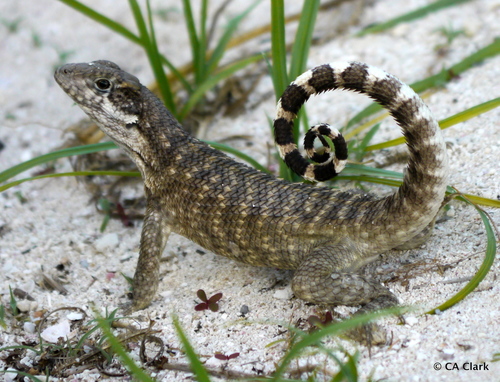
Florida, US
ここで見られるかも Northern Curly-Tailed Lizard, グリーンイグアナ と Triangle Cactus.
ガイドを見る →
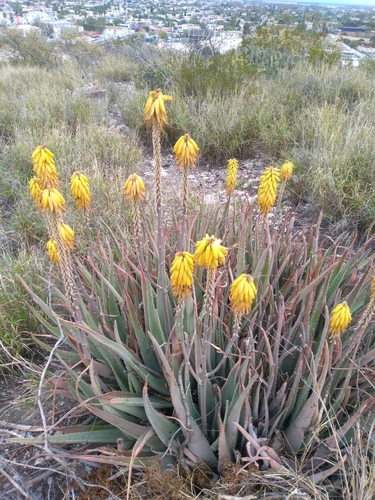
Florida, US
ここで見られるかも アロエベラ, Taiwanese Rain Tree と Spineless Yucca.
ガイドを見る →

New York, US
ここで見られるかも Common Mugwort, White Snakeroot と Common Eastern Bumble Bee.
ガイドを見る →
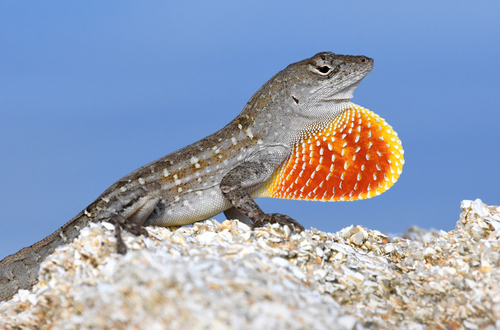
Florida, US
ここで見られるかも ブラウンアノール, Southern Live Oak と Resurrection Fern.
ガイドを見る →
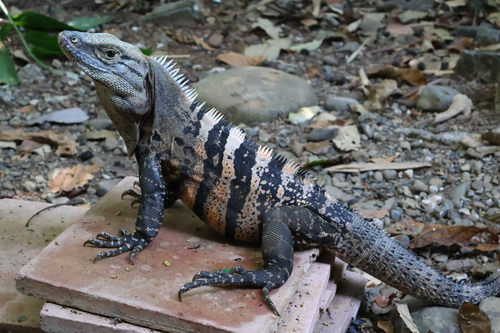
Florida, US
ここで見られるかも Black Spiny-Tailed Iguana, ブラウンアノール と Sea Grape.
ガイドを見る →














