






Western Tiger Salamander
Ambystoma mavortium
The Western Tiger Salamander is a cool, spotted amphibian that loves to live in wet areas. It has a smooth, shiny skin and can be black or dark brown with bright yellow or white spots!
生息地: Wetlands
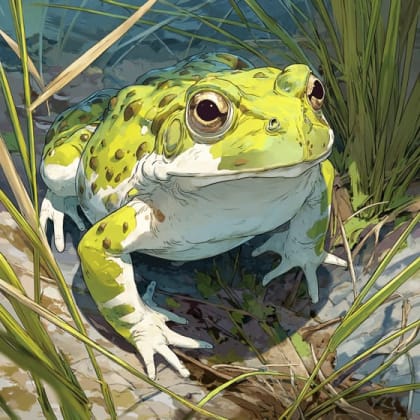
The Western Tiger Salamander is a large, stout-bodied amphibian with a broad head. It has a dark background color, typically black or dark brown, covered with striking irregular yellow or olive-green blotches and bars. This vibrant pattern makes it easily recognizable.
カテゴリ
両生類レア度
Common
危険度
1/5 · 非常に低い
スナップ
最初にスナップしよう!
Their larvae are fierce underwater predators, often eating other tadpoles and smaller salamanders!
They are one of the largest land-dwelling salamanders found across North America!
They can secrete a milky toxin from their skin as a defense against hungry predators!
Tiger salamanders sometimes eat each other, especially when food is scarce in their ponds!
Western Tiger Salamander can regrow lost limbs, tails, and even damaged organs, helping them recover from injuries.
Western Tiger Salamander has strong front limbs that help them dig deep burrows for shelter and escape from predators.
Western Tiger Salamander can remain a gilled, water-dwelling larva and reproduce, adapting to stay aquatic in certain conditions.
Western Tiger Salamander uses a quick, sticky tongue to snatch insects and other small prey with surprising speed.
These hungry amphibians eat almost anything smaller than them, from insects to other amphibians!
年齢による違い: Larvae are aquatic and eat aquatic invertebrates, while adults are terrestrial and eat a wider range of land-based prey.
Lumbricus terrestris
A primary food source for foraging salamanders.
Thamnophis sirtalis
Salamanders are prey for various snake species.
Procyon lotor
Mammalian predators dig up salamanders from burrows.
Ardea herodias
Larvae and emerging adults are vulnerable to wading birds.
異なる色の斑点や模様がある。
穴を掘る動物は、地中にトンネルや小部屋を作り、その地下の空間を隠れ家や狩り、繁殖のために利用します。
この特性は、主に昆虫やその他の小型無脊椎動物を食べる生物を示します。
この生息地特性は、湿地(年間を通して、または季節的に水に浸かっている沼や湿原などの土地)で見られる種を示します。

この特徴は、食事のすべて、または大部分が動物の肉である生物を示します。

「絶滅のおそれ」のステータスは、効果的な保全活動を行わなければ近い将来に絶滅危惧種になる可能性が高い種を示しています。

夜行性の動物は主に夜間に活動し、通常、日中は休んだり眠ったりしています。
まだ別名はありません。
危険度
1/5 · 非常に低い
Always wash your hands after touching any salamander, as they can be sensitive to chemicals.
15-33 cm
0.03-0.2 kg
10-16 年
0.5 km/h
These hungry amphibians eat almost anything smaller than them, from insects to other amphibians!
Wetlands
Ambush
100-1000
ズームインしてクラスターを分割し、このオブジェクトが撮影された場所を探索しましょう。
新しい観察が追加されると、ここに最近のスナップが表示されます。
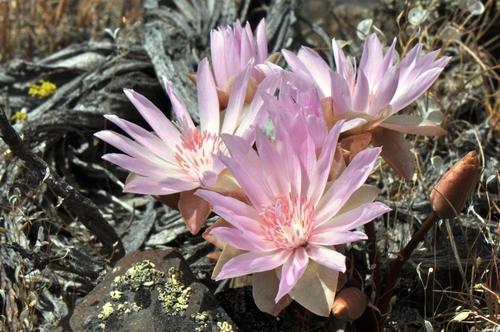
British Columbia, CA
ここで見られるかも Bitterroot, Arrowleaf Balsamroot と Western Stoneseed.
ガイドを見る →
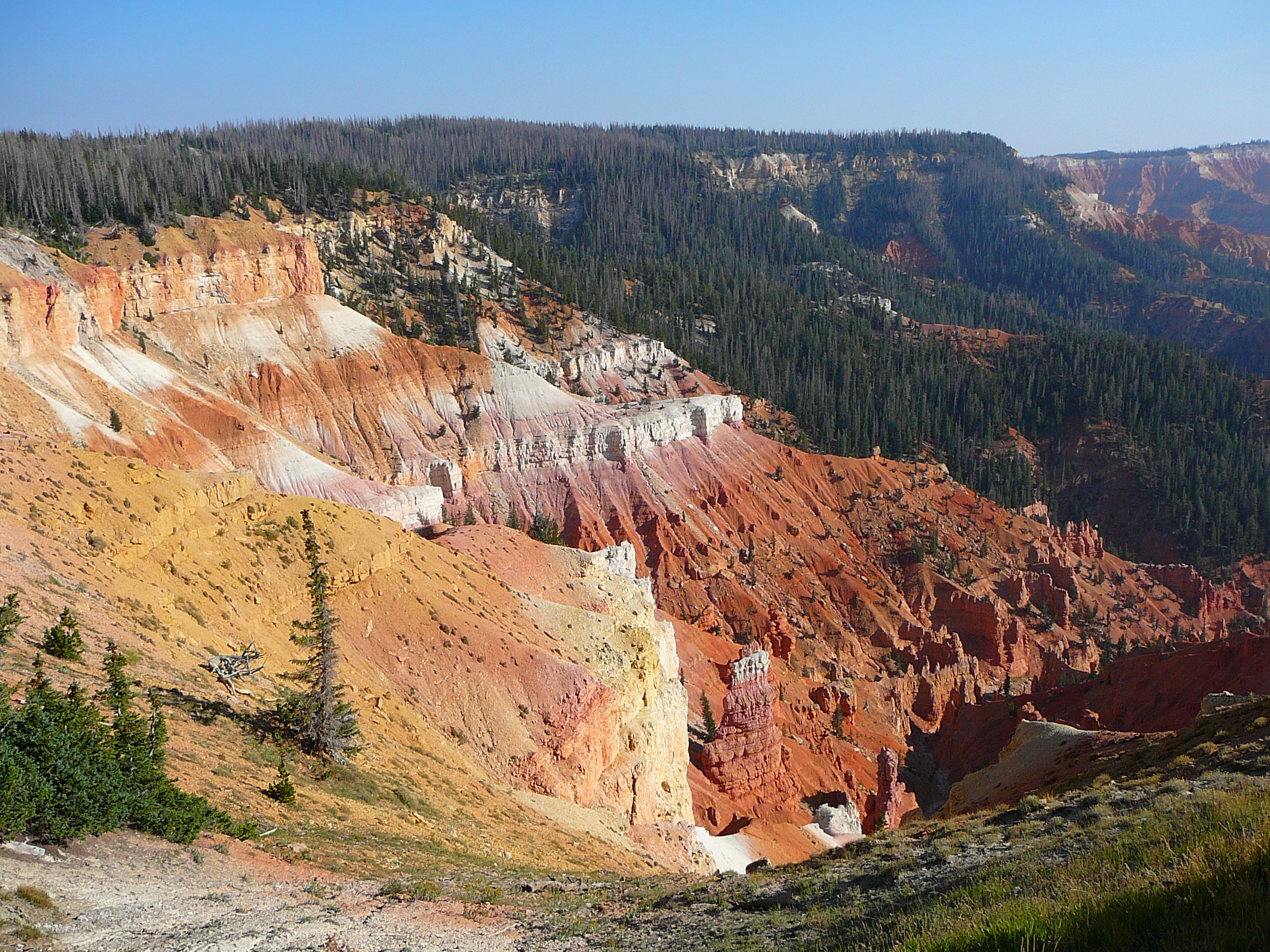
Utah, US
ここで見られるかも Great Basin Bristlecone Pine, Blue Columbine と Monument Plant.
ガイドを見る →
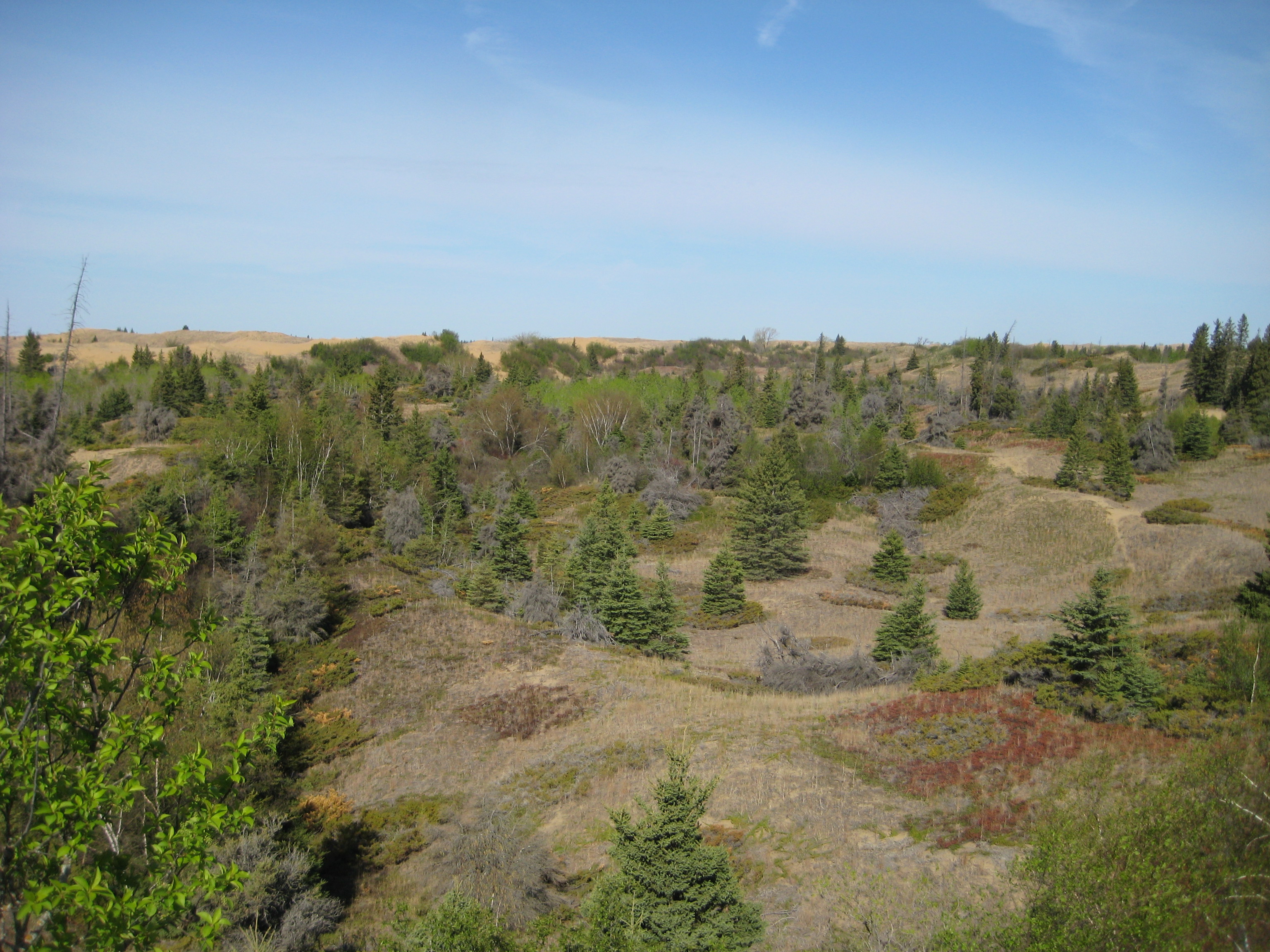
Manitoba, CA
ここで見られるかも Prairie Skink, Smooth Greensnake と アメリカイチモンジ.
ガイドを見る →














.jpg&width=800)

