



Crown of Thorns
Euphorbia
The Crown of Thorns is a unique plant with spiky stems and colorful flowers. It’s named for its thorny appearance, just like a crown!
Habitat: Dry, tropical areas
The Crown of Thorns is a spiny, succulent shrub featuring woody stems densely covered in sharp, greyish-brown thorns. Its inconspicuous true flowers are encircled by vibrant, petal-like bracts, typically bright red, pink, or yellow, creating a striking visual against its green leaves.
Category
PlantsRarity
Rare
Danger
1/5 · Very low
Snaps
Be the first to snap!
Even though it looks spiky like a cactus, it's actually a succulent plant!
In its wild home, this plant can grow into a woody shrub over six feet tall!
Its common name comes from a belief it was used in the biblical Crown of Thorns!
The plant's vibrant 'flowers' are actually special leaves called bracts, not true petals!
Crown of Thorns has super sharp thorns covering its stems that help it defend against hungry animals trying to take a bite.
Crown of Thorns can store water in its thick, succulent stems, allowing it to survive long periods without rain.
Crown of Thorns produces a milky, irritating sap that oozes when cut, helping to protect it from pests.
Apis mellifera
Visits flowers for nectar.
Bombus terrestris
Collects pollen and nectar.
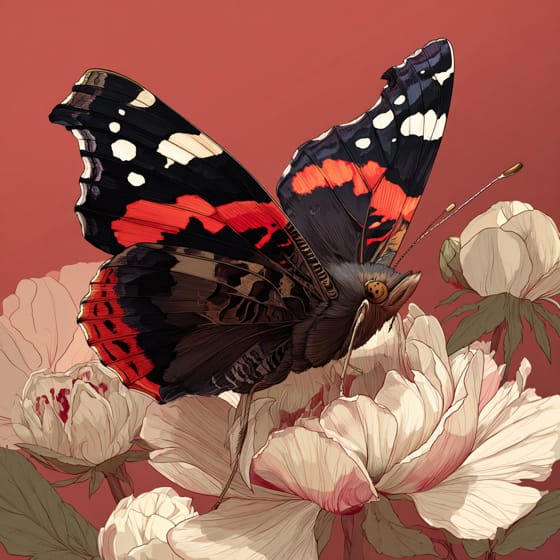
Vanessa atalanta
Feeds on nectar.
Everblooming plants produce flowers continuously or in repeated flushes over a long period.
Pertaining to plants that have stems covered with sharp, pointed projections for defense.
Drought-tolerant plants can survive and flourish in conditions with limited water availability.
Succulent plants have thickened, fleshy parts, usually leaves or stems, adapted to store water in arid climates.

Colorful describes organisms or objects displaying a wide range of bright and distinct colors.

Desert habitats are arid regions characterized by extremely low precipitation and often extreme temperatures, supporting specialized flora and fauna.

Possessing sharp, pointed projections or spines on the body or surface.
Danger
1/5 · Very low
Explore with care and ask an adult if you’re unsure what to do.
60-180 cm
30-90 cm
1-2.5 cm
Year-round
No
Moderate
Perennial
Insect
Zoom in to split clusters and explore where this object has been snapped.
Recent snaps will appear here as new observations are added.