





Red Admiral
Vanessa atalanta
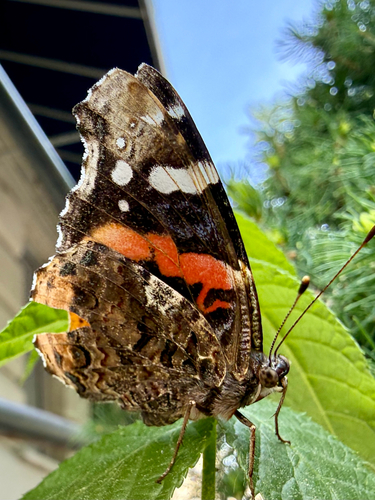
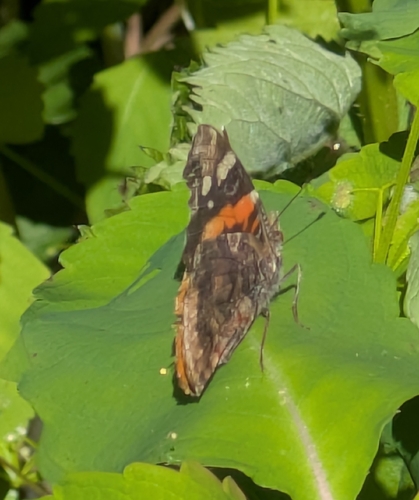
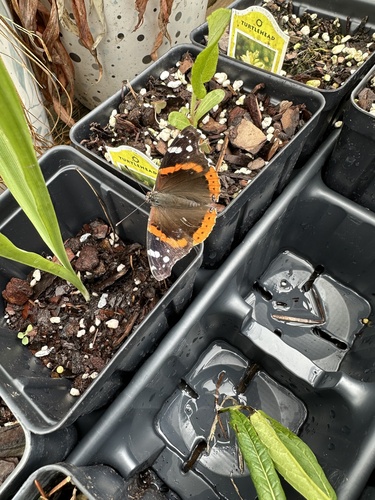
The Red Admiral is a striking butterfly with dark wings and bright red bands. It often rests on flowers to soak up the sun!
Habitat: Woodlands, gardens, and parks
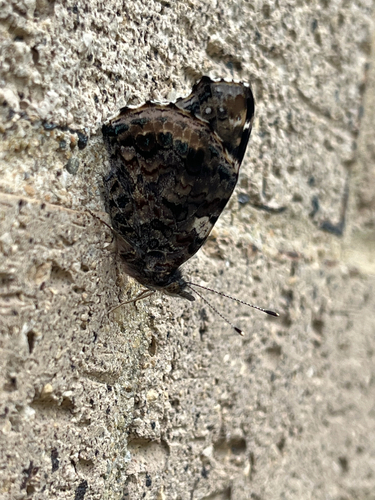
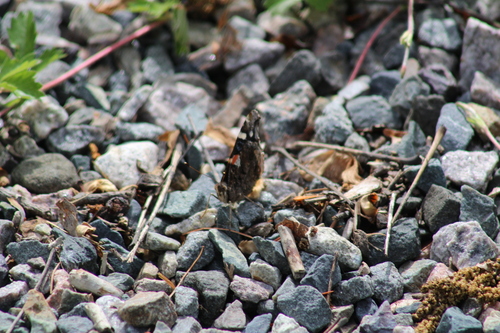
The Red Admiral has striking dark brown to black wings featuring bold, bright orange-red bands across the forewings and along the hindwing edges. Small white spots near the forewing tips further distinguish its appearance. Its mottled brown and blue underside provides excellent camouflage when resting.
Category
InsectsRarity
Common
Danger
2/5 · Low
Snaps
185
Adult Red Admirals absolutely love to sip on juicy, fermenting fruit from the ground!
Despite their beauty, they sometimes drink from bird droppings to get extra nutrients!
Some Red Admirals can survive freezing winter by hiding in tree hollows or under bark!
Their caterpillars are so picky they only eat the leaves of stinging nettles!
Red Admirals can fly thousands of miles because of strong flight muscles that help them migrate across continents.
Red Admirals have mottled brown and blue undersides that help them blend in perfectly with tree bark or dead leaves when resting.
Red Admirals can taste with their feet because of special receptors that help them find sugary food sources like rotting fruit.
Red Admirals have tiny claws and sticky pads on their legs that help them perch firmly on leaves, flowers, or even tree trunks.
Adults drink nectar, tree sap, and rotting fruit juice; caterpillars munch on stinging nettle leaves.
Age differences: Caterpillars exclusively eat stinging nettle leaves, while adults primarily drink nectar, tree sap, and fermenting fruit.
Urtica dioica
Caterpillars exclusively feed on its leaves for growth.
.jpg&width=800)
Symphyotrichum novae-angliae
Adults drink nectar, helping to spread the plant's pollen.
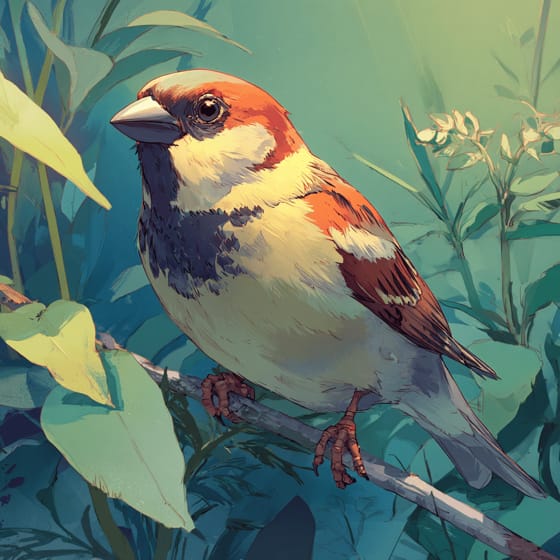
Passer domesticus
Birds like sparrows may prey on adult butterflies or caterpillars.
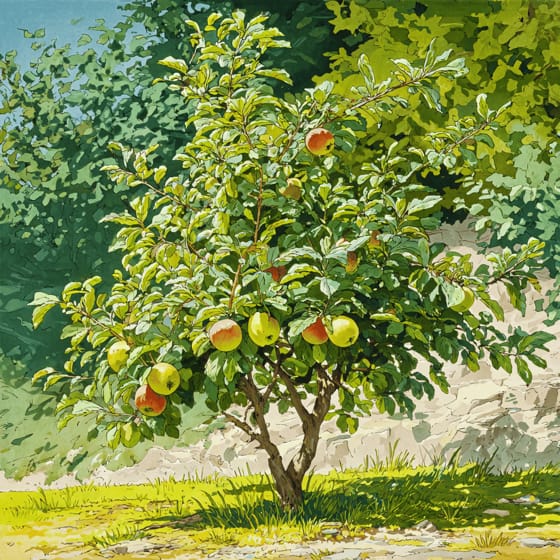
Malus domestica
Adults feed on fermenting fallen fruit from apple trees.
Wildlife encompasses all undomesticated animal and plant life existing in their natural habitats.
Camouflaged describes organisms that possess coloring or patterns that allow them to blend into their environment.
This trait characterizes organisms whose diet consists entirely or primarily of plant material.
Diurnal animals are primarily active during daylight hours, typically resting or sleeping at night.

Describes organisms that transfer pollen, enabling the fertilization and reproduction of plants.
Danger
2/5 · Low
Do not touch or pick up. Some insects sting or bite. Ask an adult for help.
The easiest way to identify Red Admiral is to use the Snappit nature identifier app.
45-60 mm
25-32 mm
60-300 days
10 km/h
Adults drink nectar, tree sap, and rotting fruit juice; caterpillars munch on stinging nettle leaves.
Woodlands, gardens, and parks
Foraging
Zoom in to split clusters and explore where this object has been snapped.
Jun 15, 2026
Ambler Heights Historic DistrictPhoto attribution
(c) Joey M, some rights reserved (CC BY)
License: CC BY 4.0 ↗
Image may be shown cropped inside the card frame.
Jun 6, 2026
East 73rd Street Historic DistrictPhoto attribution
(c) Oliver Clarke, some rights reserved (CC BY)
License: CC BY 4.0 ↗
Image may be shown cropped inside the card frame.
Jun 2, 2026
Magee Marsh Wildlife AreaPhoto attribution
no rights reserved
License: CC0 1.0 ↗
Image may be shown cropped inside the card frame.
May 25, 2026
Broadmoor Wildlife SanctuaryPhoto attribution
(c) Lythronax246, some rights reserved (CC BY)
License: CC BY 4.0 ↗
Image may be shown cropped inside the card frame.
May 2, 2026
Geauga Park DistrictPhoto attribution
no rights reserved
License: CC0 1.0 ↗
Image may be shown cropped inside the card frame.

Ohio, US
You might spot Eastern Fox Squirrel and Spotted Lanternfly.
View guide →

Illinois, US
You might spot Common Eastern Bumble Bee and Brown-Belted Bumble Bee.
View guide →

Michigan, US
You might spot Eastern Gray Squirrel, Tree-Of-Heaven, and House Sparrow.
View guide →

Massachusetts, US
You might spot Eastern Cottontail and American Robin.
View guide →

California, US
You might spot Monarch, Canada Goose, and Western Gull.
View guide →

Oregon, US
You might spot Duck, Pacific Trillium, and Wood Duck.
View guide →
Take the discovery with you
Snap it with Snappit to identify it, learn what makes it special, and add the discovery to your collection.







.jpg&width=800)




