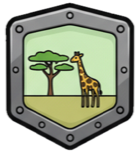

Giraffes
Giraffa
Giraffes are the tallest animals on Earth! They have long necks and legs, which help them reach leaves high up in trees. Their unique spots help them blend in with the trees and grass.
Habitat: Savannas
The Giraffe has an incredibly long neck and legs, making it the tallest land animal. Its coat features a unique, irregular pattern of brown or reddish-brown patches separated by creamy white lines. Two fur-covered horns, called ossicones, top its head.
Category
MammalsRarity
Common
Danger
2/5 · Low
Snaps
Be the first to snap!
A giraffe's tongue can be 20 inches long and is a dark blue color!
Baby giraffes drop over 6 feet to the ground when they are born!
Even with their super long necks, giraffes only have seven neck bones, just like humans!
Giraffes have 'ossicones' on their heads, which are fur-covered, not true horns!
Giraffes can spot predators from great distances because their towering height gives them an unmatched vantage point over the savanna.
Giraffes have a tough mouth and long, prehensile tongue that allows them to eat spiky leaves from acacia trees safely.
Giraffes can take quick naps standing up, a useful trait to stay alert for danger on the open plains.
Giraffes has a powerful heart that pumps blood all the way up their incredibly long neck to their brain.
These gentle giants munch on leaves, shoots, and fruits high up in trees with their long necks!
Panthera leo
Adults are prey, especially for large prides.
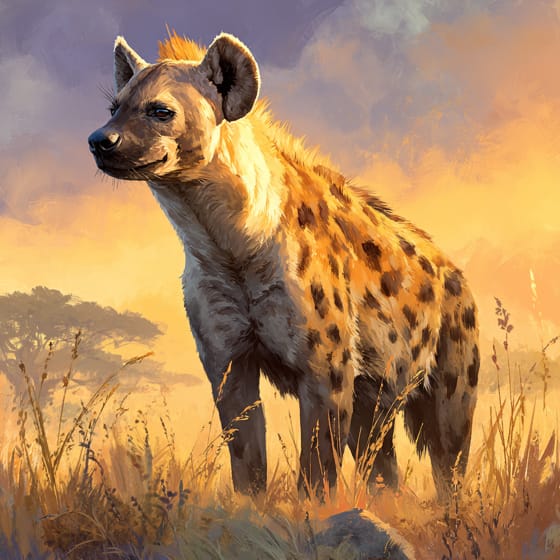
Crocuta crocuta
Pups and injured adults can be targeted by clans.
Vachellia tortilis
Giraffes heavily browse its leaves and shoots for food.
Buphagus africanus
Birds eat ticks and parasites from giraffe's skin.
Marked with spots or patches of a different color.
Social animals live in organized groups, cooperating for survival benefits such as foraging, defense, and raising offspring.
This trait characterizes organisms whose diet consists entirely or primarily of plant material.
This habitat trait denotes species native to savannas, which are grasslands with scattered trees, typically found in tropical or subtropical regions with distinct wet and dry seasons.

Diurnal animals are primarily active during daylight hours, typically resting or sleeping at night.

Describes a species whose presence and role have a disproportionately large effect on its environment.

This trait identifies organisms that exhibit exceptional swiftness in movement for hunting, escape, or travel.

Giant describes organisms or objects of significantly larger size than average for their species or type.

Endangered status indicates a species is at a very high risk of extinction in the wild in the near future.
Danger
2/5 · Low
Giraffes are gentle giants, but it's best to watch them from a safe distance.
430-570 cm
800-1900 kg
20-28 years
60 km/h
These gentle giants munch on leaves, shoots, and fruits high up in trees with their long necks!
Savannas
Foraging
1
Zoom in to split clusters and explore where this object has been snapped.
Recent snaps will appear here as new observations are added.

Nebraska, US
You might spot African Lion, Giraffes, and Tiger.
View guide →

New York, US
You might spot Giraffes, Polar Bear, and Red Panda.
View guide →

Tennessee, US
You might spot Parachromis Managuensis, Giraffes, and Common Ostrich.
View guide →

Missouri, US
You might spot Sheep, Giraffes, and Tiger.
View guide →
Louisiana, US
You might spot African Lion, Giraffes, and Equus Africanus Asinus.
View guide →
Michigan, US
You might spot African Lion, Wolverine, and Giraffes.
View guide →