





Pipistrelle Bat
Pipistrellus pipistrellus
Pipistrelle bats are tiny, friendly creatures that love to fly at night. They help keep the insect population down by eating many bugs!
Habitat: Woodlands and gardens
The Pipistrelle Bat is one of Europe's smallest bats, with a tiny, mouse-like body. It has soft, dark brown to reddish-brown fur, a paler underside, and small, rounded ears. Its extremely compact size visually distinguishes it from most other bats.
Category
MammalsRarity
Common
Danger
1/5 · Very low
Snaps
Be the first to snap!
A pipistrelle bat's heart can beat over 1,000 times per minute in flight!
Baby pipistrelles are born completely blind and hairless, relying on their mom.
Their tiny teeth are incredibly sharp for munching crunchy insect exoskeletons!
They can squeeze into gaps as small as a human thumbprint to roost!
Pipistrelle Bats can 'see' in the dark using echolocation, emitting high-pitched sounds that bounce off objects.
Pipistrelle Bats have highly flexible wings that allow them to twist and turn sharply to catch flying insects.
Pipistrelle Bats can enter a deep sleep called torpor, slowing their body functions to save energy in winter.
These tiny bats are expert hunters, zipping through the night to catch flying insects!
Culex pipiens
Pipistrelle bats actively hunt these small, biting insects.
Phlogophora meticulosa
A common nocturnal moth often caught by pipistrelles.
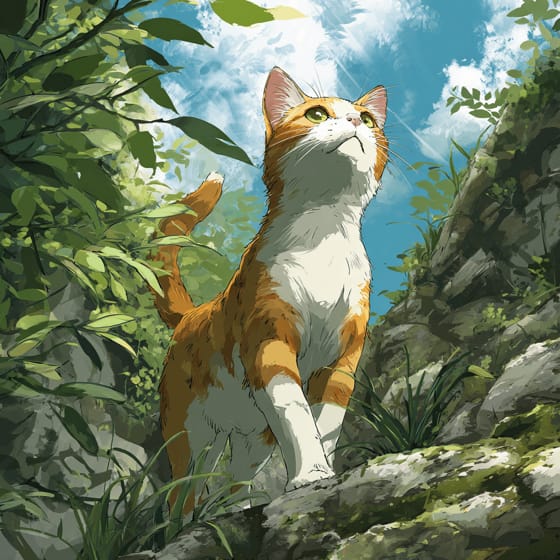
Felis catus
Cats sometimes catch bats that fly too low or roost nearby.

Strix aluco
Nocturnal owls are opportunistic predators of bats.
Wildlife encompasses all undomesticated animal and plant life existing in their natural habitats.
Furry describes animals possessing a dense covering of soft hair or fur.
Social animals live in organized groups, cooperating for survival benefits such as foraging, defense, and raising offspring.
This trait identifies organisms whose diet primarily consists of insects and other small invertebrates.

Echolocation is a biological sonar used by animals to navigate, hunt, and communicate by emitting sound waves and interpreting the echoes.

Forest habitats are terrestrial environments dominated by dense tree cover, supporting a high diversity of plant and animal life.

Nocturnal animals are primarily active during the nighttime hours, typically resting or sleeping during the day.
Danger
1/5 · Very low
Pipistrelle bats are harmless and just want to eat bugs. It's best to watch them from a distance.
The easiest way to identify Pipistrelle Bat is to use the Snappit nature identifier app.
3.5-5.2 cm
18-25 cm
0.003-0.008 kg
4-11 years
35 km/h
These tiny bats are expert hunters, zipping through the night to catch flying insects!
Woodlands and gardens
Zoom in to split clusters and explore where this object has been snapped.
Recent snaps will appear here as new observations are added.
Take the discovery with you
Snap it with Snappit to identify it, learn what makes it special, and add the discovery to your collection.




.jpg&width=800)


.JPG&width=800)



.jpg&width=800)
