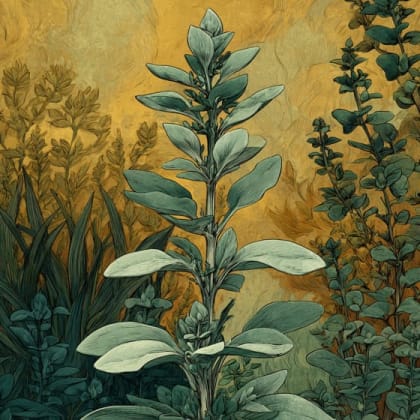
Hazel
Hazelina alexanderi
Hazel is a bush that produces delicious nuts! The leaves are green and round, providing great shade in the summer.
Habitat: Woodlands and hedgerows
The Hazel is a deciduous shrub or small tree with broad, rounded, toothed leaves. It showcases yellow, worm-like male catkins in late winter and tiny red female flowers before its leaves appear. Its edible nuts are encased in leafy, fringed husks.
Category
PlantsRarity
Common
Danger
1/5 · Very low
Snaps
Be the first to snap!
A single hazel tree can produce thousands of delicious nuts each year!
Ancient people used hazel branches for building and weaving sturdy fences!
Hazel nuts are sometimes called 'filberts' after a saint's feast day.
Hazel wood is so flexible, it was used to make hurdles and fishing rods.
Hazel can bloom in late winter before its leaves sprout, ensuring its wind-blown pollen travels far and wide.
Hazel has nutritious nuts that ripen in autumn, providing vital food for many animals and helping the tree spread its seeds.
Hazel can regrow vigorously from its stump after being cut, making it a very resilient and long-lived plant.
Sciurus carolinensis
Squirrels eagerly collect and eat its nutritious nuts.
Muscardinus avellanarius
This tiny dormouse relies on hazel nuts, flowers, and leaves.
Garrulus glandarius
Jays bury hazel nuts, helping them grow into new trees.
Deciduous plants periodically shed all their leaves, typically during autumn or dry seasons.
Shade tolerant plants are adapted to grow and thrive in areas with low light levels, requiring less direct sunlight.
A shrub is a woody plant smaller than a tree, typically with multiple stems branching from or near the ground.
Fruit-bearing plants produce fruits, which are the mature ovaries of flowering plants containing seeds.

Nut bearing plants produce hard-shelled fruits, commonly known as nuts, which contain a single seed and are a valuable food source.

Edible plants are those parts of a plant that are considered safe for human consumption.
Danger
1/5 · Very low
Explore with care and ask an adult if you’re unsure what to do.
300-800 cm
300-600 cm
2-6 cm
Late winter to early spring
Yes
None
Perennial
Wind
Zoom in to split clusters and explore where this object has been snapped.
Recent snaps will appear here as new observations are added.
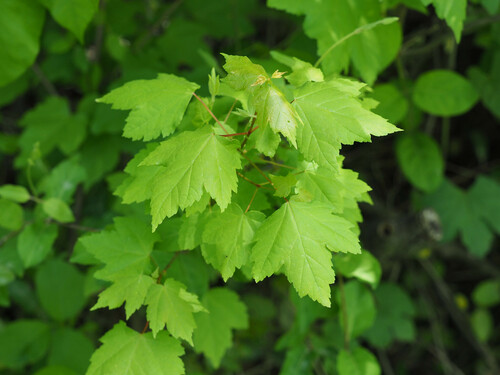
New York, US
You might spot Red Maple, Black Tupelo, and Sensitive Fern.
View guide →

Washington, US
You might spot Redwood, Western Redcedar, and Fringe Cups.
View guide →
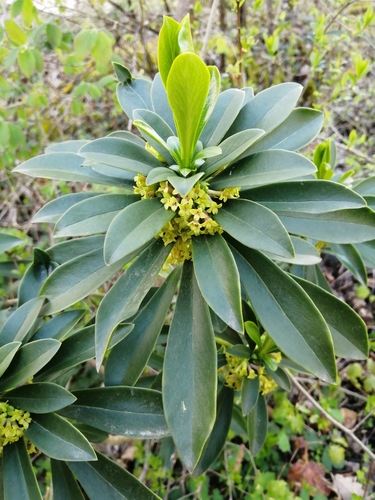
British Columbia, CA
You might spot Spurge-Laurel and Common Wall Lizard.
View guide →