
Hartebeest
Alcelaphus buselaphus
Hartebeests are large African antelopes with long faces and curved horns. They are known for their speed and agility, able to run swiftly across the savannas.
Habitat: Savannas
The Hartebeest is a large antelope known for its unusually long, narrow face and high-set eyes. It has a reddish-brown to sandy-brown coat, darker markings on its legs, and distinctively ridged, V-shaped horns that curve outwards and then inwards.
Category
MammalsRarity
Common
Danger
2/5 · Low
Snaps
Be the first to snap!
Baby Hartebeests can stand and run just minutes after they are born!
Hartebeest often chew their food twice, like a cow, to get all the nutrients.
The name 'Hartebeest' comes from Afrikaans, meaning 'hard beast'.
They rub a sticky liquid from glands near their eyes on plants to mark their territory.
Hartebeest has a long face with high-set eyes that helps them scan far horizons for predators across open plains.
Hartebeest can run incredibly fast, reaching speeds up to 80 km/h to outpace chasing predators.
Hartebeest has strong teeth and specialized digestion that helps them eat tough, dry grasses in arid environments.
This herbivore mainly munches on tough grasses, helping to keep the savanna tidy.
Panthera leo
Adult Hartebeest are prey for lions.
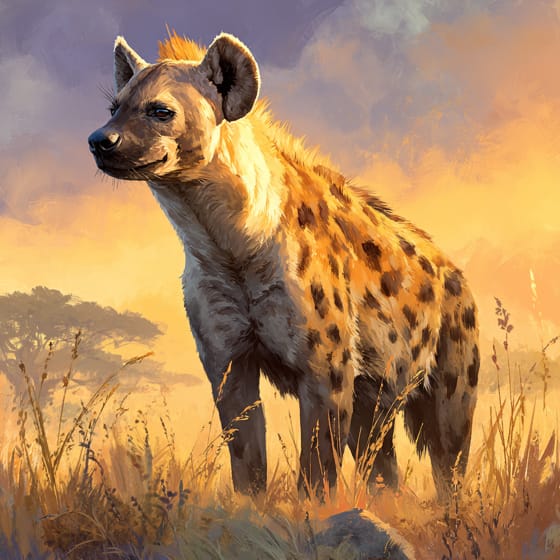
Crocuta crocuta
Hyenas hunt Hartebeest, especially the young.
Acinonyx jubatus
Cheetahs are fast predators of Hartebeest.
Wildlife encompasses all undomesticated animal and plant life existing in their natural habitats.
Furry describes animals possessing a dense covering of soft hair or fur.
Social animals live in organized groups, cooperating for survival benefits such as foraging, defense, and raising offspring.
Characterized by having one or more hard, permanent, pointed projections on the head.

This trait characterizes organisms whose diet consists entirely or primarily of plant material.
This habitat trait denotes species native to savannas, which are grasslands with scattered trees, typically found in tropical or subtropical regions with distinct wet and dry seasons.

This trait identifies organisms that exhibit exceptional swiftness in movement for hunting, escape, or travel.
Danger
2/5 · Low
Admire hartebeests from a safe distance and never approach them in the wild.
150-240 cm
100-200 kg
11-20 years
80 km/h
This herbivore mainly munches on tough grasses, helping to keep the savanna tidy.
Savannas
Grazing
1
Zoom in to split clusters and explore where this object has been snapped.
Recent snaps will appear here as new observations are added.