


Mastodon
Mammut americanum
Mastodon was a large Ice Age mammal that lived alongside early humans and other megafauna.
Habitat: Ice Age grasslands and tundra
The Mastodon was a large, shaggy-haired mammal, often depicted with reddish-brown fur. It had shorter, straighter tusks compared to woolly mammoths, with distinctive conical, nipple-like cusps on its molars. Its body was more robust and lower-slung than a mammoth's.
Category
AncientRarity
Common
Danger
1/5 · Very low
Snaps
Be the first to snap!
Mastodon babies were called calves, just like modern elephants!
Mastodons were alive when early humans roamed North America!
Their name means 'nipple tooth,' after their unique molar shape.
They migrated across vast landscapes, following seasonal plant food sources.
Mastodon has powerful, slightly curved tusks that help them strip bark from trees or dig for roots and aquatic plants.
Mastodon can grind tough vegetation with its distinctive nipple-shaped molar teeth, allowing them to eat coarse plant material.
Mastodon had a thick, shaggy coat of hair that helped them stay warm and survive in cold, glacial environments.
These ancient giants munched on trees, shrubs, and marsh plants with their unique teeth.
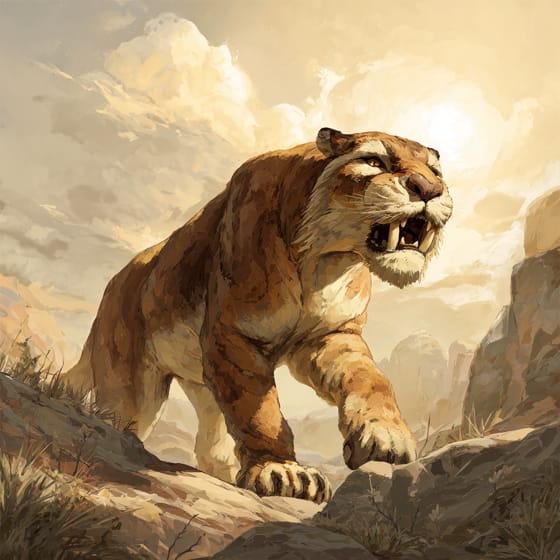
Smilodon fatalis
Calves were vulnerable to predators.
Homo sapiens
Hunted Mastodons for meat and resources.
Pinus ponderosa
Stripped bark and ate needles from trees.
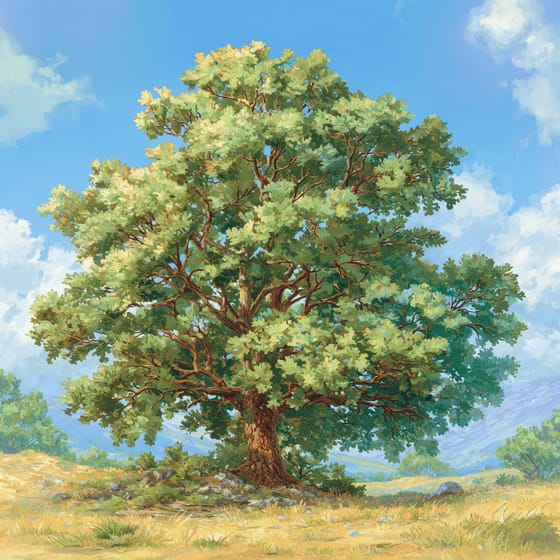
Quercus alba
Browsed leaves, twigs, and acorns from oaks.
Colorful describes organisms or objects displaying a wide range of bright and distinct colors.
Ancient refers to organisms, objects, or geological formations that have existed for an extremely long period.
An artifact is an object made or modified by human culture, typically of historical or archaeological interest.
A fossil is the preserved remains or traces of an ancient organism embedded in rock or other geological deposits.

Giant describes organisms or objects of significantly larger size than average for their species or type.
Danger
1/5 · Very low
While extremely dangerous in their time, this creature is now extinct.
2.3-3 m
4000-6000 kg
These ancient giants munched on trees, shrubs, and marsh plants with their unique teeth.
Ice Age grasslands and tundra
Foraging
Pleistocene Epoch
0.011
Zoom in to split clusters and explore where this object has been snapped.
Recent snaps will appear here as new observations are added.