
White Oak
Quercus alba
The White Oak is known for its lovely, rounded leaves and strong wood. It’s a favorite place for birds to build their nests!
Habitat: Woodlands and forests
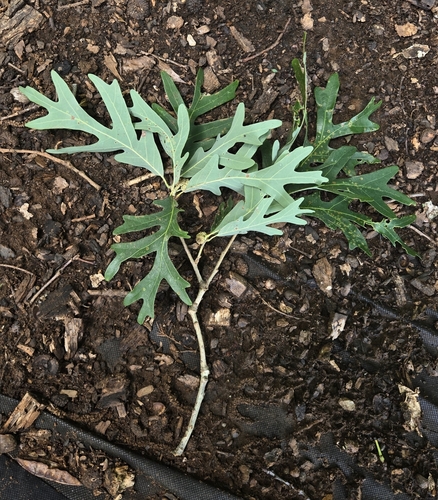
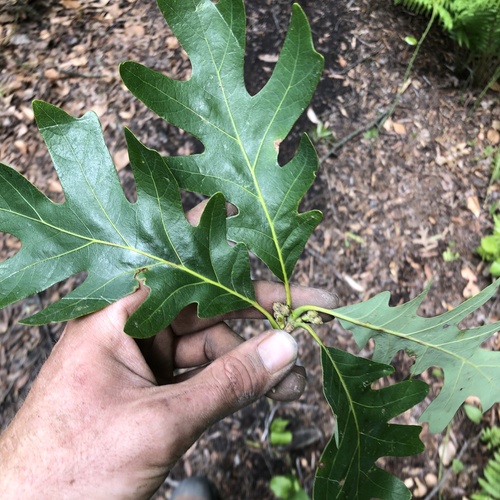
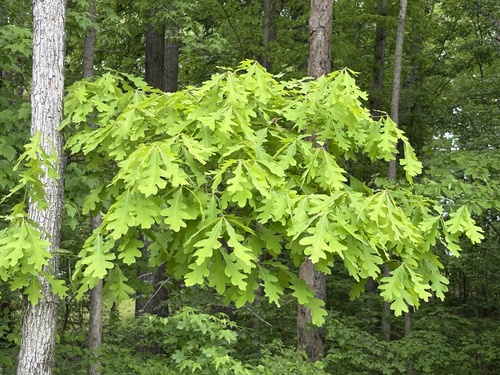
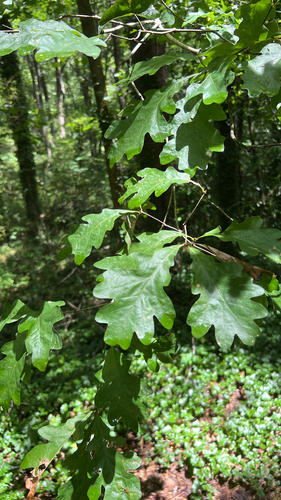
The White Oak has distinctive light grey, scaly bark and leaves with round, finger-like lobes. In autumn, its foliage turns a beautiful reddish-brown, making it stand out in the forest. Its broad, rounded crown gives it a majestic, spreading appearance.
Category
TreesRarity
Common
Danger
1/5 · Very low
Snaps
75
Early settlers used its bark to make dyes and even leather!
It can live for over 500 years, a true ancient giant!
Its strong wood was used to build famous ships and settler's homes.
Many states have chosen the mighty White Oak as their official state tree.
White Oak's deep roots reach for water in droughts, keeping it stable against strong winds.
White Oak's thick, furrowed bark protects its living tissues, helping it survive some forest fires.
White Oak produces many acorns, feeding wildlife and helping new oak trees to grow.
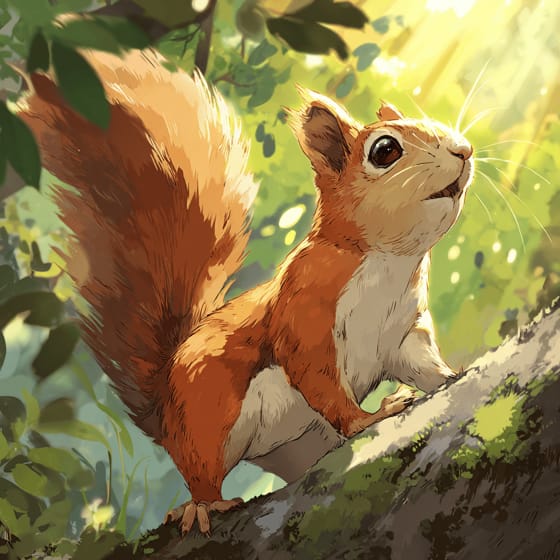
Sciurus carolinensis
Squirrels devour its nutritious acorns.

Odocoileus virginianus
Deer browse leaves and munch on acorns.
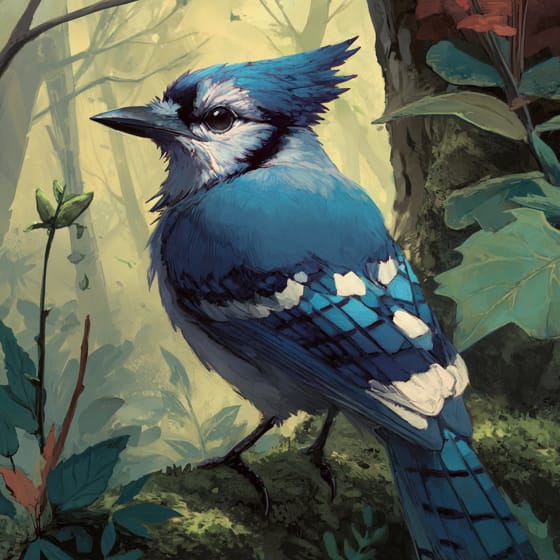
Cyanocitta cristata
Jays eat and bury acorns, helping new trees.
Callirhytis cornigera
Larvae cause galls to grow on twigs.
Boletus edulis
Fungus helps roots absorb nutrients.
Deciduous plants periodically shed all their leaves, typically during autumn or dry seasons.
Broadleaf trees are angiosperms characterized by flat, wide leaves that are typically shed annually in temperate climates.
Fruit-bearing plants produce fruits, which are the mature ovaries of flowering plants containing seeds.
Timber refers to wood that has been prepared for use in building and carpentry.

Forest habitats are terrestrial environments dominated by dense tree cover, supporting a high diversity of plant and animal life.

This trait characterizes organisms with an exceptionally long lifespan compared to others of their kind.
Danger
1/5 · Very low
Do not pick or eat anything you find. Some plants and mushrooms can be harmful.
The easiest way to identify White Oak is to use the Snappit nature identifier app.
20-35 m
15-25 m
No
90-180 cm
200-500 years
Woodlands and forests
Acorn
Zoom in to split clusters and explore where this object has been snapped.
Jun 19, 2026
ConcordPhoto attribution
(c) Ben Gruhot, some rights reserved (CC BY)
License: CC BY 4.0 ↗
Image may be shown cropped inside the card frame.
May 26, 2026
Harriman Historic DistrictPhoto attribution
(c) Andrew Conboy, some rights reserved (CC BY)
License: CC BY 4.0 ↗
Image may be shown cropped inside the card frame.
Apr 18, 2026
Ave Maria GrottoPhoto attribution
(c) Brian Finzel, some rights reserved (CC BY-SA)
License: CC BY-SA 4.0 ↗
Image may be shown cropped inside the card frame.
Aug 12, 2025
The State Botanical Garden of GeorgiaPhoto attribution
(c) Alex Stach, some rights reserved (CC BY)
License: CC BY 4.0 ↗
Image may be shown cropped inside the card frame.

Virginia, US
You might spot Eastern Box Turtle and White-Tailed Deer.
View guide →

Pennsylvania, US
You might spot Mountain Laurel, Ghost Pipe, and Sweetfern.
View guide →

Vermont, US
You might spot Asian Bittersweet, Alder Buckthorn, and Eastern Newt.
View guide →

New Jersey, US
You might spot Brant, Laughing Gull, and Great Black-Backed Gull.
View guide →
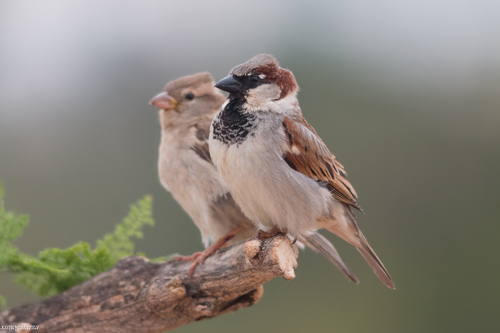
Pennsylvania, US
You might spot House Sparrow, Spotted Lanternfly, and American Robin.
View guide →

Tennessee, US
You might spot American Robin, Northern Cardinal, and Eastern Chipmunk.
View guide →
Take the discovery with you
Snap it with Snappit to identify it, learn what makes it special, and add the discovery to your collection.