

Chanterelle
Cantharellus
Chanterelle Mushrooms are bright yellow and have a lovely fruity smell. They are a favorite among mushroom hunters!
Habitat: Wooded areas
The Chanterelle has a vibrant golden-yellow to orange color, often with a wavy, funnel-shaped cap. Its distinguishing feature is blunt, gill-like folds that run down its stem, rather than true sharp gills. This gives it a unique, earthy appearance.
Category
FungiRarity
Common
Danger
1/5 · Very low
Snaps
Be the first to snap!
People have been foraging for these delicious mushrooms for thousands of years!
Some chanterelles smell like fresh apricots, even though they aren't fruit!
These amazing fungi help trees get water and nutrients from the soil.
They are actually part of a giant underground web called mycelium!
Chanterelle can share nutrients with trees through their underground network, helping both grow strong.
Chanterelle releases a fruity, apricot-like scent that helps animals find them and spread their spores.
Chanterelle has unique blunt folds (not true gills) that help drop millions of spores for new growth.
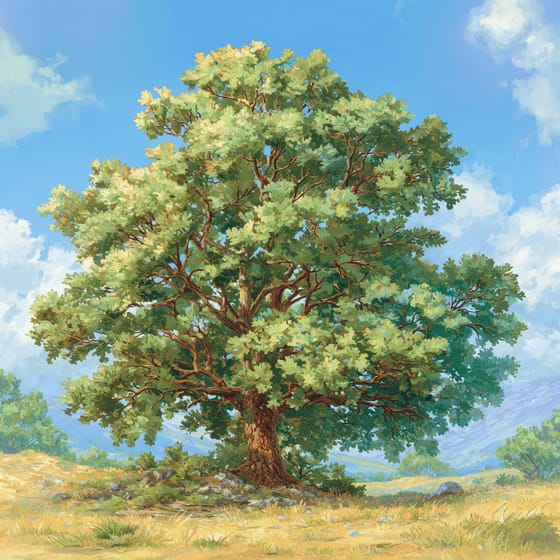
Quercus alba
Shares nutrients with oak trees.
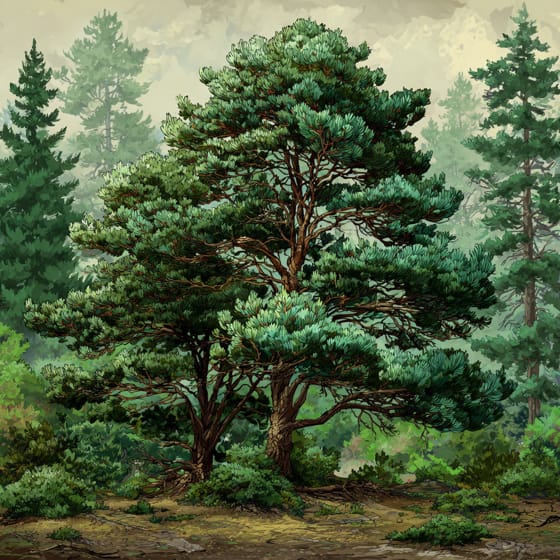
Pinus strobus
Forms a crucial partnership with pine trees.
Arion rufus
Slugs often graze on chanterelle caps.
Fragrant flowers emit a pleasant aroma, often to attract pollinators or for defense.
Fruit-bearing plants produce fruits, which are the mature ovaries of flowering plants containing seeds.
Spore-producing organisms reproduce by releasing small, often single-celled, reproductive units called spores.
Edible plants are those parts of a plant that are considered safe for human consumption.
This trait refers to fungal species that are safe for human consumption when properly identified and prepared.

Forest habitats are terrestrial environments dominated by dense tree cover, supporting a high diversity of plant and animal life.
Danger
1/5 · Very low
Do not pick or eat anything you find. Some plants and mushrooms can be harmful.
3-12 cm
edible
3-10 cm
Wooded areas
soil
Summer to Fall
White to pale yellow
Zoom in to split clusters and explore where this object has been snapped.
Recent snaps will appear here as new observations are added.