Scorpion
Scorpiones
Scorpions are fascinating creatures with a long tail and pincers. They are great at hiding and come out at night to hunt!
Habitat: Deserts and rocky areas
The Scorpion has a flattened body, typically brown, black, or tan, with a segmented tail ending in a distinctive, venomous stinger. Its two large, powerful pincers, called pedipalps, make it visually distinct from insects. Their tough exoskeleton provides a shiny, armored appearance.
Category
InsectsRarity
Rare
Danger
3/5 · Moderate
Snaps
Be the first to snap!
Baby scorpions ride safely on their mother's back until they're big enough!
Certain scorpion venoms are being studied for potential medical breakthroughs in humans.
Scorpions are incredibly ancient, living on Earth for over 400 million years!
Some scorpions can survive being submerged underwater for up to two days!
Scorpion can inject venom using its tail stinger to paralyze or kill prey and deter predators effectively.
Scorpion has powerful pincers (pedipalps) that help them crush and hold onto captured prey securely.
Scorpion has a unique exoskeleton that glows brightly under UV light, which may help them recognize other scorpions.
Scorpions are hunters that primarily eat small insects and spiders, using their pincers and venom.
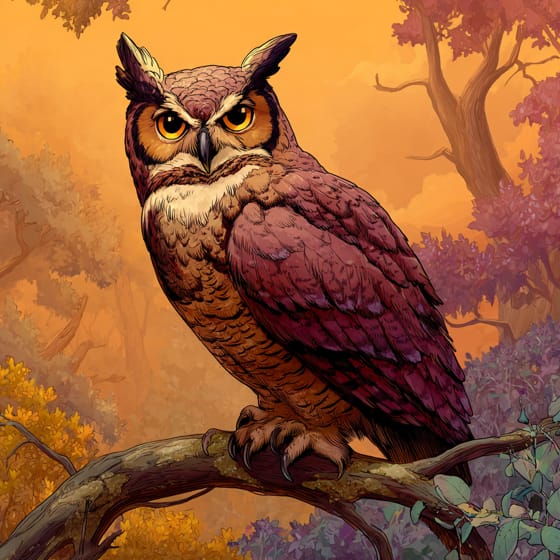
Bubo virginianus
This powerful raptor frequently preys on scorpions during its nocturnal hunts.
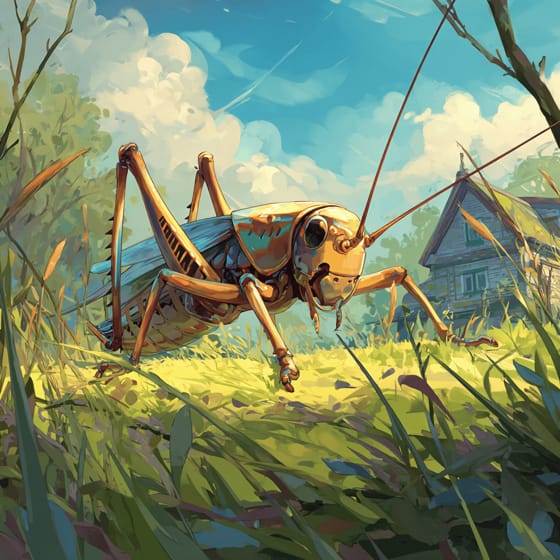
Acheta domesticus
Scorpions ambush and sting these common insects as a primary food source.
Sauromalus ater
This desert lizard sometimes consumes smaller scorpions it encounters.
Vulpes macrotis
Small desert foxes, like the Kit Fox, include scorpions in their diverse diet.
Wildlife encompasses all undomesticated animal and plant life existing in their natural habitats.
Camouflaged describes organisms that possess coloring or patterns that allow them to blend into their environment.
Desert habitats are arid regions characterized by extremely low precipitation and often extreme temperatures, supporting specialized flora and fauna.
This trait identifies organisms whose diet consists entirely or primarily of animal tissue.

Pertaining to organisms that emit light through bioluminescence or fluorescence.

Nocturnal animals are primarily active during the nighttime hours, typically resting or sleeping during the day.

Venomous organisms produce toxins that are injected into another animal, typically through a bite or sting.
No aliases listed yet.
Danger
3/5 · Moderate
Do not touch or pick up. Some insects sting or bite. Ask an adult for help.
9-230 mm
730-9125 days
Scorpions are hunters that primarily eat small insects and spiders, using their pincers and venom.
Deserts and rocky areas
Ambush
8
Zoom in to split clusters and explore where this object has been snapped.
Recent snaps will appear here as new observations are added.