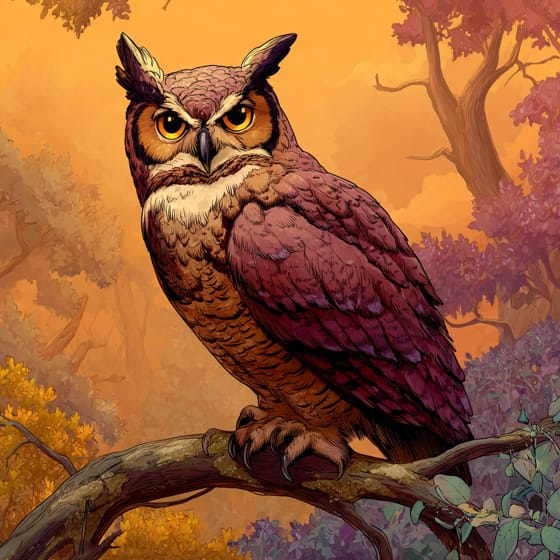





Great Horned Owl
Bubo virginianus
The Great Horned Owl is a strong and powerful bird with tufted ears that look like horns! It can be found in many different places and loves to hunt at night.
Habitat: Forests, deserts, and urban areas
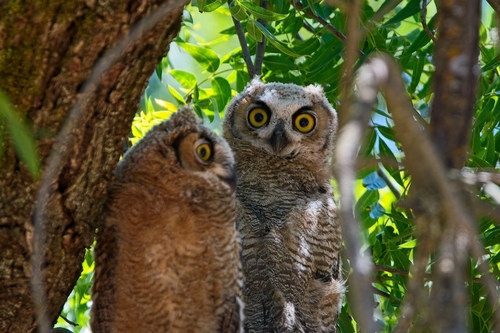
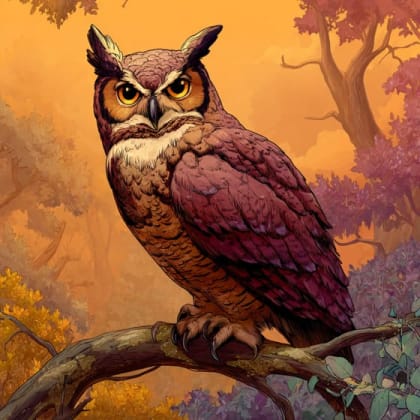
The Great Horned Owl is a large, powerful owl with prominent ear tufts resembling horns and striking yellow eyes. It has mottled grayish-brown plumage, a white throat patch, and horizontal barring on its chest, providing excellent camouflage.
Category
BirdsRarity
Common
Danger
2/5 · Low
Snaps
100
An owlet's first flight is called fledging, and it's a clumsy, wobbly adventure!
Great Horned Owls often steal nests from hawks or squirrels, instead of building their own.
Their powerful grip is strong enough to crush the bones of small animals.
They can hunt and eat skunks without being bothered by their defensive spray!
Great Horned Owl has specialized feather fringes that help them fly almost silently, allowing them to surprise prey.
Great Horned Owl can rotate its head nearly 270 degrees because its eyes are fixed, allowing a very wide field of view.
Great Horned Owl has asymmetrically placed ear openings that help them pinpoint sounds with extreme accuracy, even in darkness.
Great Horned Owl has incredibly strong talons that help them grasp and carry prey much heavier than themselves.
These fierce hunters eat almost any animal they can catch, from tiny mice to large hares!
Age differences: Young owlets are fed by parents; juveniles learn to hunt by practicing on smaller prey.
.JPG&width=800)
Sylvilagus floridanus
A frequent and important food source for owls.
Mephitis mephitis
One of the only predators that regularly eats skunks.
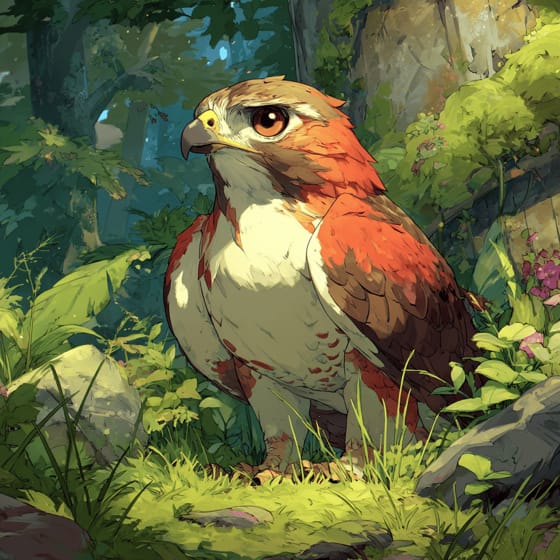
Buteo jamaicensis
Often reuses their abandoned nests for raising owlets.
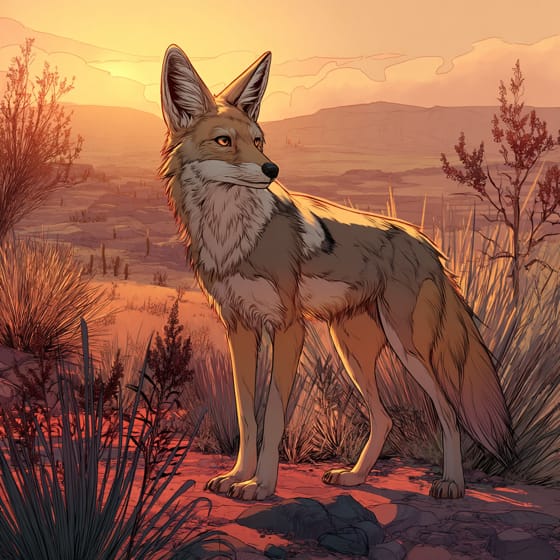
Canis latrans
Juvenile or injured owls can sometimes fall prey to them.
Wildlife encompasses all undomesticated animal and plant life existing in their natural habitats.
Feathered describes animals, primarily birds, possessing a covering of feathers.
Solitary animals live alone for most of their lives, only interacting with others for mating or parental care.
An ambush predator hunts by patiently waiting and concealing itself, then launching a sudden attack when unsuspecting prey comes within range.

Forest habitats are terrestrial environments dominated by dense tree cover, supporting a high diversity of plant and animal life.

This trait identifies organisms whose diet consists entirely or primarily of animal tissue.

This habitat trait indicates species that can coexist with humans in urban and suburban environments, utilizing man-made structures and green spaces.

Nocturnal animals are primarily active during the nighttime hours, typically resting or sleeping during the day.
Danger
2/5 · Low
Watch quietly from a distance and never try to feed or chase wild animals.
The easiest way to identify Great Horned Owl is to use the Snappit nature identifier app.
46-63 cm
101-153 cm
0.9-2.5 kg
13-19 years
60 km/h
These fierce hunters eat almost any animal they can catch, from tiny mice to large hares!
Forests, deserts, and urban areas
Zoom in to split clusters and explore where this object has been snapped.
Jun 9, 2026
Sonoma Botanical GardenPhoto attribution
(c) Daveozric, some rights reserved (CC BY)
License: CC BY 4.0 ↗
Image may be shown cropped inside the card frame.
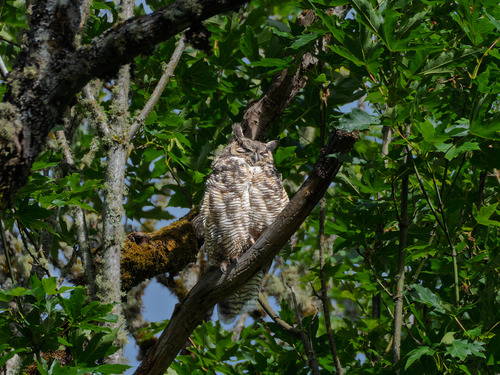
Jun 7, 2026
Photo attribution
no rights reserved
License: CC0 1.0 ↗
Image may be shown cropped inside the card frame.
Jun 6, 2026
Harvard Shaker Village Historic DistrictPhoto attribution
(c) Lythronax246, some rights reserved (CC BY)
License: CC BY 4.0 ↗
Image may be shown cropped inside the card frame.

California, US
You might spot Sequoia, California Newt, and Pacific Dogwood.
View guide →

California, US
You might spot California Poppy and Common Side-Blotched Lizard.
View guide →

California, US
You might spot Western Fence Lizard and California Brittlebush.
View guide →

California, US
You might spot Warrior's Plume and Purple Owl's-Clover.
View guide →

California, US
You might spot Monarch, Bee, and Anise Swallowtail.
View guide →

Wisconsin, US
You might spot Turkey, White-Tailed Deer, and Dame's Rocket.
View guide →
Take the discovery with you
Snap it with Snappit to identify it, learn what makes it special, and add the discovery to your collection.




.jpg&width=800)






