




Birdwing Butterfly
Ornithoptera alexandrae
The Birdwing Butterfly is one of the largest butterflies in the world! Its colorful wings can be yellow, green, and blue.
Habitat: Rainforests of New Guinea
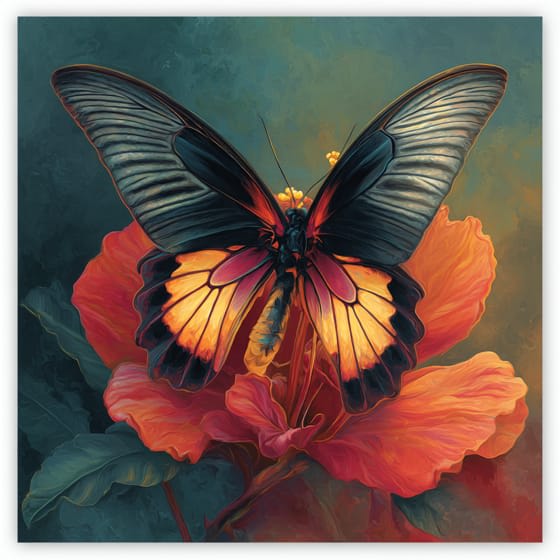
The Queen Alexandra's Birdwing is the world's largest butterfly, with females displaying dark brown wings marked with cream and yellow spots. Males are smaller, showcasing striking iridescent green and blue patterns on velvety black wings, differing from other butterflies with their unique bird-like wing shape.
Category
InsectsRarity
Rare
Danger
2/5 · Low
Snaps
Be the first to snap!
Female Birdwings can grow wings almost a foot wide, much larger than males!
Its spiky, dark caterpillar looks nothing like the stunning adult butterfly!
The Queen Alexandra's Birdwing lays eggs as big as a tiny pearl!
These butterflies are named for their huge, bird-like wings that help them soar high!
Birdwing Butterfly has an enormous wingspan that allows them to glide with incredible elegance through dense rainforest foliage.
Birdwing Butterfly can deter predators by absorbing toxins from their host plants as larvae, making adults unappetizing if eaten.
Birdwing Butterfly males have dazzling iridescent green wings that flash in sunlight, attracting mates and warning predators.
Adult Birdwings sip nectar from flowers; caterpillars munch on poisonous vines.
Age differences: Larvae eat leaves of specific toxic vines, while adults drink flower nectar.
Aristolochia schlecteri
Caterpillars feed exclusively on its toxic leaves.
Hibiscus rosa-sinensis
Visits flowers for nectar, aiding plant reproduction.
Nephila pilipes
Can occasionally trap them in its strong golden webs.
Wildlife encompasses all undomesticated animal and plant life existing in their natural habitats.
Colorful describes organisms or objects displaying a wide range of bright and distinct colors.
This trait characterizes organisms whose diet consists entirely or primarily of plant material.
This habitat trait refers to species found in tropical rainforests, characterized by high annual rainfall, high biodiversity, and dense tree cover.

Diurnal animals are primarily active during daylight hours, typically resting or sleeping at night.

Describes organisms that transfer pollen, enabling the fertilization and reproduction of plants.

Endangered status indicates a species is at a very high risk of extinction in the wild in the near future.
Danger
2/5 · Low
Do not touch or pick up. Some insects sting or bite. Ask an adult for help.
160-310 mm
70-80 mm
60-90 days
15 km/h
Adult Birdwings sip nectar from flowers; caterpillars munch on poisonous vines.
Rainforests of New Guinea
Foraging
6
Zoom in to split clusters and explore where this object has been snapped.
Recent snaps will appear here as new observations are added.