Red Hot Poker Aloe
Aloe aculeata Pole-Evans
Red Hot Poker Aloe has tall, bright red flower spikes that look like torches! They are fun to see in gardens and attract birds.
Habitat: Sunny gardens
The Red Hot Poker Aloe has a striking rosette of thick, grey-green, sword-shaped leaves often edged with reddish spines. Tall, torch-like flower spikes emerge, bursting with clusters of tubular flowers that graduate from fiery red at the top to orange or yellow at the base.
Category
PlantsRarity
Rare
Danger
1/5 · Very low
Snaps
Be the first to snap!
It's related to the well-known Aloe vera, but this one is much, much spikier!
Its spiky leaves can look like a dragon's scales guarding a treasure!
Some people call it a 'torch lily' because of its fiery, upright flower spikes!
The flowers change color as they bloom, like a fiery sunset on a stalk!
Red Hot Poker Aloe has sharp spines on its leaf edges that help it defend against hungry animals.
Its thick, fleshy leaves can store lots of water, helping it survive long, dry periods.
The bright, tubular flowers act like a beacon, attracting birds for pollination with sweet nectar.
Cinnyris afra
Feeds on nectar from its tubular flowers.
Apis mellifera
Collects nectar and pollen from its blooms.
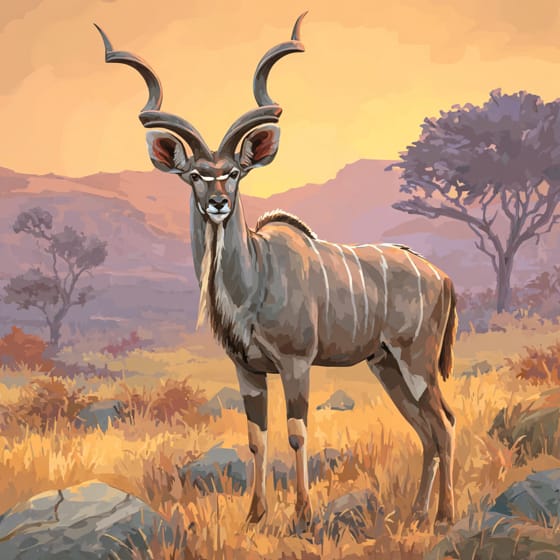
Tragelaphus strepsiceros
Browses on the leaves despite their spines.
Ornamental plants are cultivated primarily for their aesthetic appeal, enhancing landscapes and gardens with their attractive foliage, flowers, or form.
Summer blooming plants produce their flowers during the summer season, often providing vibrant color when many other plants have finished.
Evergreen plants retain their foliage throughout the year, never shedding all their leaves at once.
Fragrant flowers emit a pleasant aroma, often to attract pollinators or for defense.

Medicinal plants possess chemical compounds that can be used for therapeutic purposes to treat illnesses or maintain health.

Drought-tolerant plants can survive and flourish in conditions with limited water availability.

Succulent plants have thickened, fleshy parts, usually leaves or stems, adapted to store water in arid climates.

Possessing sharp, pointed projections or spines on the body or surface.

This habitat trait indicates species that can coexist with humans in urban and suburban environments, utilizing man-made structures and green spaces.
No aliases listed yet.
Danger
1/5 · Very low
Explore with care and ask an adult if you’re unsure what to do.
60-100 cm
30-60 cm
2-3 cm
Summer
No
Mild
Perennial
Bird
Zoom in to split clusters and explore where this object has been snapped.
Recent snaps will appear here as new observations are added.