





Greater Kudu
Tragelaphus strepsiceros
The Greater Kudu is a majestic antelope with long, spiral horns. They are known for their impressive leaps and graceful movements in the African savannas.
Habitat: Savannas
The Greater Kudu is a large antelope, typically tawny-brown to bluish-grey, with 6-10 distinctive vertical white stripes on its body. It has large, rounded ears and a prominent white chevron marking between its eyes. Males possess massive, spiraling horns that can have two-and-a-half twists.
Category
MammalsRarity
Common
Danger
2/5 · Low
Snaps
Be the first to snap!
Female kudus usually live in small herds with their young, while males prefer to be solitary.
Male kudus must tilt their heads back to walk through dense bush with their huge horns!
Their impressive spiral horns can reach over a meter in length from base to tip!
They communicate with loud, barking calls, especially when sensing danger.
Greater Kudu has incredible spiraling horns that help them fight off predators and compete with other males for mates.
Greater Kudu has distinct white stripes that help them blend perfectly into the dappled light of dense bush.
Greater Kudu can jump incredibly high over obstacles, helping them flee quickly from chasing predators.
Greater Kudu has large, mobile ears that help them pinpoint the slightest sounds of danger from far away.
These majestic antelopes munch on leaves, shoots, and fruits from various plants and trees.
Panthera leo
A primary predator of adult kudus in savanna ecosystems.
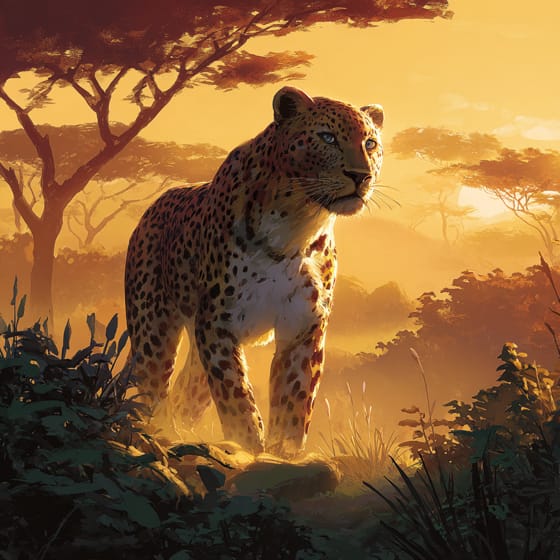
Panthera pardus
Known to hunt kudu, especially younger or weaker individuals.

Lycaon pictus
Packs often target kudu, using teamwork to bring them down.
Vachellia tortilis
They browse on the leaves and pods of this common tree.
Combretum apiculatum
Feeds on the leaves and young shoots of this bushwillow species.
Wildlife encompasses all undomesticated animal and plant life existing in their natural habitats.
Furry describes animals possessing a dense covering of soft hair or fur.
Characterized by having one or more hard, permanent, pointed projections on the head.
Camouflaged describes organisms that possess coloring or patterns that allow them to blend into their environment.

This trait characterizes organisms whose diet consists entirely or primarily of plant material.
This habitat trait denotes species native to savannas, which are grasslands with scattered trees, typically found in tropical or subtropical regions with distinct wet and dry seasons.

Diurnal animals are primarily active during daylight hours, typically resting or sleeping at night.
Danger
2/5 · Low
Admire the Greater Kudu from a safe distance to avoid startling them.
The easiest way to identify Greater Kudu is to use the Snappit nature identifier app.
190-240 cm
120-315 kg
7-15 years
90 km/h
These majestic antelopes munch on leaves, shoots, and fruits from various plants and trees.
Savannas
Foraging
Zoom in to split clusters and explore where this object has been snapped.
Recent snaps will appear here as new observations are added.
Take the discovery with you
Snap it with Snappit to identify it, learn what makes it special, and add the discovery to your collection.




.jpg&width=800)

.JPG&width=800)


.jpg&width=800)
