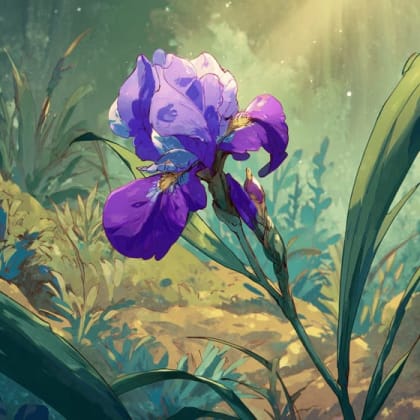



Camellia
Camellia
Camellias are beautiful flowers that bloom in winter and spring. They are often found in gardens and are loved for their shiny leaves.
Habitat: Camellias thrive in warm, shaded areas, making them perfect for cozy gardens.
The Camellia is a shrub or small tree, famous for its large, often symmetrical flowers that bloom in shades of white, pink, or red. Its glossy, dark green leaves provide a striking backdrop, making the vibrant petals stand out beautifully.
Category
PlantsRarity
Common
Danger
1/5 · Very low
Snaps
Be the first to snap!
Ancient people used Camellia flowers to adorn clothing and hair, a sign of elegance.
Did you know the tea we drink comes from a type of Camellia plant?
Some ancient Camellia trees can live for hundreds of years, becoming giant botanical treasures!
Their flowers often have perfect, spiral patterns, showing off nature's amazing math!
Camellia can bloom when most plants are dormant, providing vibrant color in colder months to attract early pollinators.
Camellia has thick, waxy leaves that help it retain water and resist damage from cold or pests, aiding survival.
Camellia can sometimes self-pollinate, allowing it to produce seeds and reproduce even without outside help.
Apis mellifera
attracts bees with nectar
Homo sapiens
leaves are brewed for tea
Aphis gossypii
aphids feed on plant sap
Colletotrichum camelliae
fungus causes leaf spot
Flowering plants are any plants that produce flowers as part of their reproductive cycle.
Winter Interest refers to plants that provide aesthetic appeal through their foliage, bark, berries, or structure during the winter season.
Shade tolerant plants are adapted to grow and thrive in areas with low light levels, requiring less direct sunlight.
A shrub is a woody plant smaller than a tree, typically with multiple stems branching from or near the ground.

Spring blooming plants produce their flowers during the spring season, often signifying the end of winter and the start of new growth.

Evergreen plants retain their foliage throughout the year, never shedding all their leaves at once.

Fragrant flowers emit a pleasant aroma, often to attract pollinators or for defense.

Forest habitats are terrestrial environments dominated by dense tree cover, supporting a high diversity of plant and animal life.
Danger
1/5 · Very low
Explore with care and ask an adult if you’re unsure what to do.
150-400 cm
150-300 cm
5-15 cm
Late Fall to Spring
Yes
None
Perennial
Insect
Zoom in to split clusters and explore where this object has been snapped.
Recent snaps will appear here as new observations are added.