

Jackal
Canis aureus
Jackals are clever animals that look like a mix of a dog and a fox. They live in groups called packs and have a haunting howl that echoes through the night.
Habitat: Grasslands
The Jackal is a slender, medium-sized canid with long legs, large pointed ears, and a bushy tail. Its fur is typically golden-brown to yellowish, often with darker tips and a black-tipped tail. Visually, it differs from wolves by being smaller and more graceful, and from foxes by its longer limbs.
Category
MammalsRarity
Common
Danger
2/5 · Low
Snaps
Be the first to snap!
Jackals are great parents, with both mom and dad helping to raise and feed their clever pups.
Jackals are so adaptable, they can thrive in many different habitats, from hot deserts to lush grasslands!
Their calls can sound like a series of wails and yaps, often heard at dawn or dusk across the landscape!
They sometimes follow larger predators like lions to sneakily eat the leftovers of their big meals!
Jackal can run fast and for long distances that helps them pursue prey and escape danger across open landscapes.
Jackal has acute hearing because of large, upright ears that help them pinpoint hidden prey or approaching threats.
Jackal has an excellent sense of smell that helps them find food, locate other jackals, and detect predators.
Jackal can use a variety of barks, howls, and yelps that help them communicate with their family group.
Jackals are omnivores, meaning they eat almost anything from small animals and insects to fruits and carrion.
Panthera leo
Often follows lions to scavenge leftover food.
Eudorcas thomsonii
Hunts young gazelles, especially weaker ones.
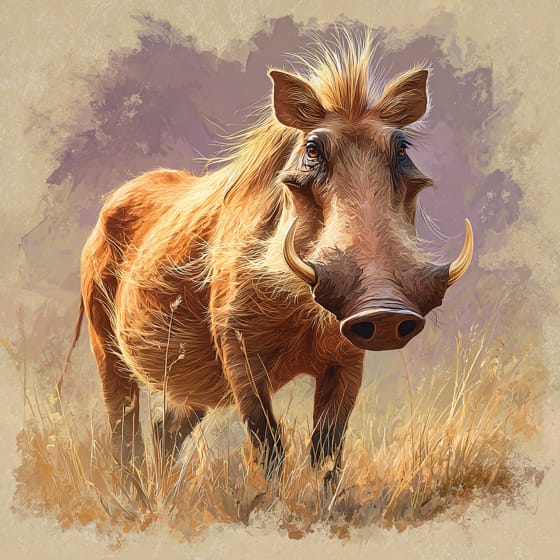
Phacochoerus africanus
Sometimes preys on vulnerable warthog piglets.
Acacia tortilis
Eats fallen pods and fruits from this tree.
Social animals live in organized groups, cooperating for survival benefits such as foraging, defense, and raising offspring.
This trait identifies organisms whose diet includes both plant and animal matter.
Scavengers consume dead organic matter, helping to decompose carcasses and other waste in the ecosystem.
Burrowing animals dig tunnels and chambers in the ground, using these subterranean structures for shelter, hunting, or breeding.

Grassland habitats are terrestrial biomes dominated by grasses and herbaceous plants, supporting a variety of grazing animals.

This trait describes organisms that manipulate external objects to achieve a specific goal.

This trait identifies organisms that exhibit exceptional swiftness in movement for hunting, escape, or travel.

Nocturnal animals are primarily active during the nighttime hours, typically resting or sleeping during the day.
Danger
2/5 · Low
Enjoy watching jackals from a safe distance and never try to approach or feed them.
60-105 cm
6-15 kg
8-12 years
50 km/h
Jackals are omnivores, meaning they eat almost anything from small animals and insects to fruits and carrion.
Grasslands
Foraging
2-8
Zoom in to split clusters and explore where this object has been snapped.
Recent snaps will appear here as new observations are added.