




Green Shield Bug
Palomena prasina
The Green Shield Bug is a bright green insect that loves to munch on plants. They are friendly and harmless!
Habitat: Gardens, fields, and woodlands
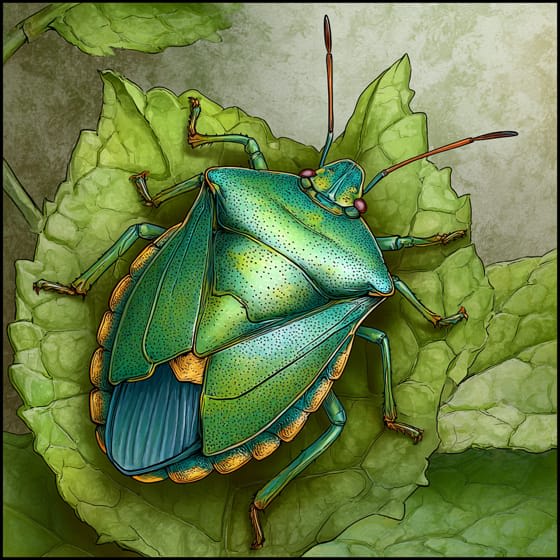
The Green Shield Bug is a bright green insect with a distinctive shield-shaped body, which can sometimes turn brownish or purplish in autumn. It has prominent antennae and often a small, darker triangular scutellum on its back, making it easy to recognize.
Category
InsectsRarity
Common
Danger
2/5 · Low
Snaps
5
Adults can survive winter by hiding in cracks and staying super still!
Green Shield Bugs can taste with their antennae to find the best food!
Their babies, called nymphs, look like tiny, colourful alien creatures!
They are called 'true bugs' because of their special straw-like mouth!
Green Shield Bug can release a foul-smelling liquid when disturbed because of glands that help them deter predators.
Green Shield Bug has a body that changes from green to brown because it helps them camouflage perfectly with seasonal plants.
Green Shield Bug can drink plant juices because of its specialized piercing-sucking mouthparts that help them feed.
These bugs sip the juices from various plants using their straw-like mouths!
Age differences: Nymphs primarily feed on sap from young, tender plant parts, whereas adults also feed on ripening fruits.
Parus major
Great Tits prey on various insects, including shield bugs.
Rubus idaeus
The bug feeds on the sap and ripening fruits of raspberry plants.
Urtica dioica
Nymphs and adults feed on the sap from stinging nettle leaves.
Wildlife encompasses all undomesticated animal and plant life existing in their natural habitats.
Colorful describes organisms or objects displaying a wide range of bright and distinct colors.
This trait characterizes organisms whose diet consists entirely or primarily of plant material.
Diurnal animals are primarily active during daylight hours, typically resting or sleeping at night.
Danger
2/5 · Low
Do not touch or pick up. Some insects sting or bite. Ask an adult for help.
25-30 mm
12-14 mm
60-90 days
8 km/h
These bugs sip the juices from various plants using their straw-like mouths!
Gardens, fields, and woodlands
Foraging
6
Zoom in to split clusters and explore where this object has been snapped.

England, UK
You might spot Red Panda, European Lynx, and Emperor Tamarin.
View guide →

South Holland, NL
You might spot Grey Heron, Eurasian Jackdaw, and Common Moorhen.
View guide →

Bern, CH
You might spot House Sparrow, Wall-Rue, and Duck.
View guide →
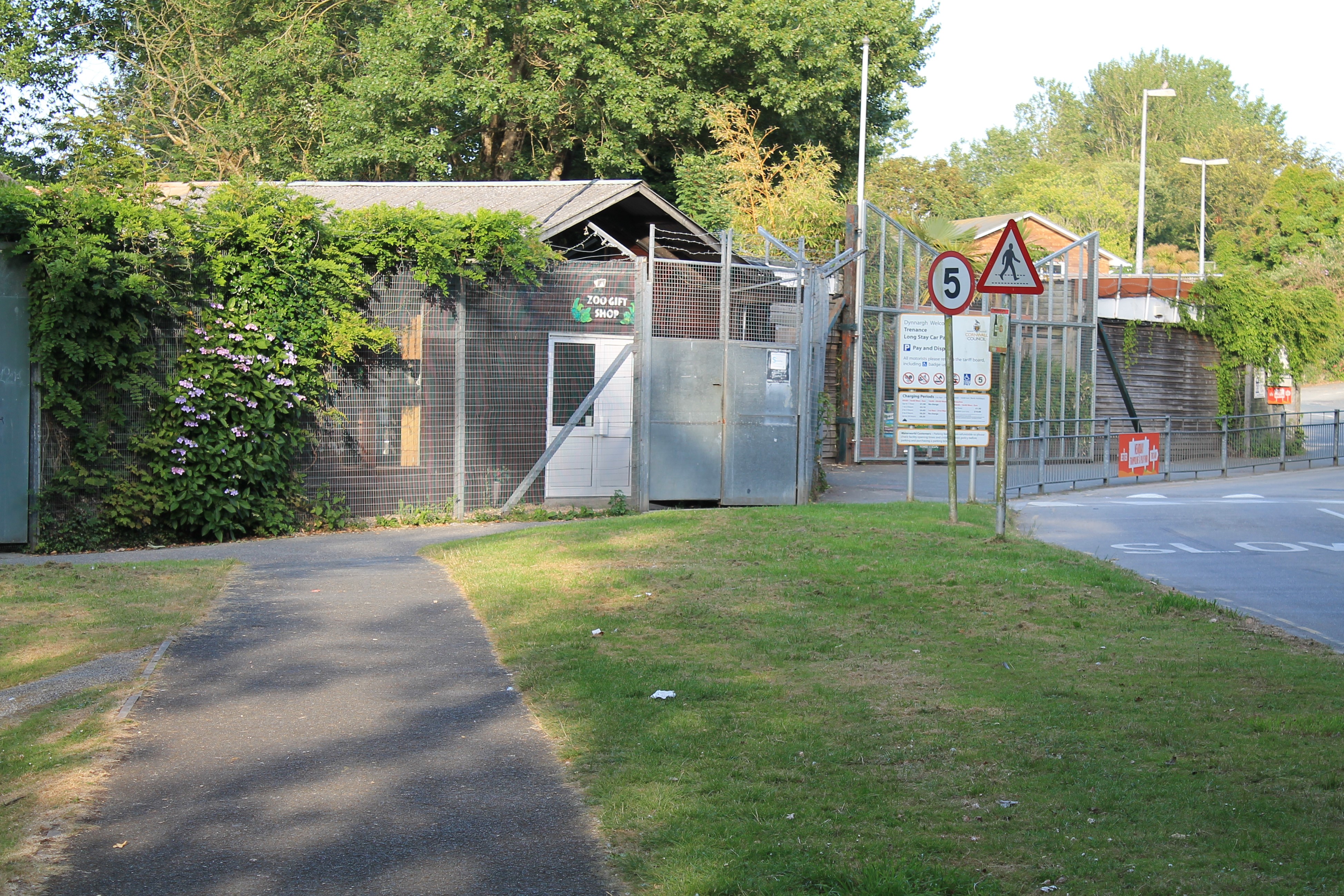
England, UK
You might spot African Lion, Red Panda, and Red-Tailed Green Ratsnake.
View guide →