


horsetails
Equisetum
Horsetails are unique plants that look like green, spiky tubes. They grow in wet areas and have been around for millions of years, making them one of the oldest plants on Earth!
Habitat: Wetlands
The horsetails has unique jointed, hollow stems that are typically green or brownish. Instead of leaves, it has small, scale-like structures in whorls at each joint. Some species have feathery branches or a cone-like spore structure at the tip, making them look very distinct from flowering plants.
Category
PlantsRarity
Common
Danger
1/5 · Very low
Snaps
Be the first to snap!
"Living fossils," horsetails grew tall as trees when dinosaurs roamed the Earth!
People once used dried horsetail stems to scrub pots and pans like a natural sponge!
Some horsetail species can grow over 8 feet tall, making them giants among plants!
Their stems feel like sandpaper because they contain tiny glass-like crystals called silica!
Horsetails have tiny silica crystals in their stems, making them rough to touch. This helps them stand tall and deters many plant-eating animals.
Horsetails can grow roots (rhizomes) several meters deep, allowing them to find water far underground that other plants can't reach.
Horsetails have survived for over 300 million years, thanks to tough rhizomes that help them regrow even after harsh environmental changes.
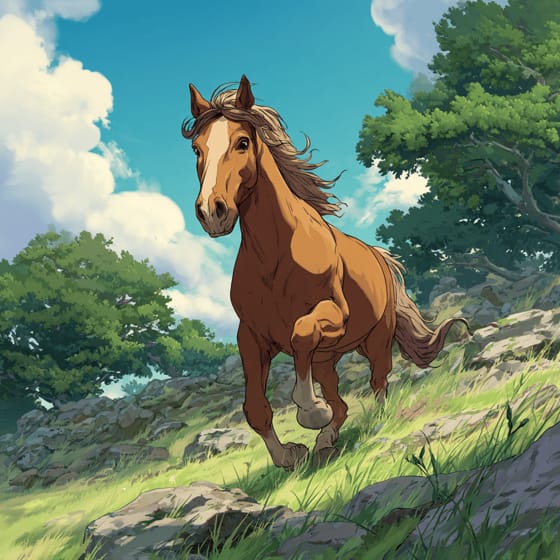
Equus caballus
can cause illness if grazed extensively
Cricotopus tibialis
larvae mine the stems for food
Anas platyrhynchos
dense stands provide cover along water
Grass-like plants are herbaceous plants that visually resemble true grasses, typically having long, narrow leaves.
Medicinal plants possess chemical compounds that can be used for therapeutic purposes to treat illnesses or maintain health.
Spore-producing organisms reproduce by releasing small, often single-celled, reproductive units called spores.
This human use trait identifies species that yield natural fibers, used by humans for textiles, rope, paper, and other manufactured goods.

This trait signifies organisms belonging to a very old evolutionary group with ancestors dating back millions of years.

This trait characterizes organisms with an exceptionally long lifespan compared to others of their kind.

This habitat trait identifies species found in wetlands, which are areas of land saturated with water, either permanently or seasonally, including marshes, swamps, and bogs.
Danger
1/5 · Very low
Always explore plants with an adult, and don't touch any you don't know.
10-250 cm
30-100 cm
No
Mild
Perennial
Wetlands
Zoom in to split clusters and explore where this object has been snapped.
Recent snaps will appear here as new observations are added.