Rabbit
Oryctolagus cuniculus
Rabbits are soft, hopping animals with long ears. They can live indoors or outdoors and enjoy munching on hay and fresh greens.
Habitat: Meadows, gardens, or cozy hutches.
The Rabbit has long, upright ears and a short, fluffy tail often called a 'scut'. Its soft fur varies from grey-brown to reddish-brown, making it blend well into grassy habitats. They have large eyes positioned on the sides of their head.
Category
MammalsRarity
Common
Danger
2/5 · Low
Snaps
27
A rabbit's eyes are so big, they can see almost all around them, even behind!
Baby rabbits, called kits, are born blind, deaf, and without fur.
Rabbits eat special droppings called cecotropes to get extra nutrients!
They can't throw up like humans, so they must be careful what they eat.
Rabbit can rotate its long ears 270 degrees to pinpoint predator sounds from far away, helping them escape danger.
Rabbit can dig extensive burrow systems called warrens with strong claws, creating safe homes for its family.
Rabbit can sprint up to 55 km/h in zig-zag patterns with powerful hind legs, outrunning most threats.
Rabbit has eyes on the sides of its head, giving it nearly 360-degree vision to spot predators approaching.
Rabbits are plant-eaters, munching on grasses and greens to keep their teeth healthy and growing.
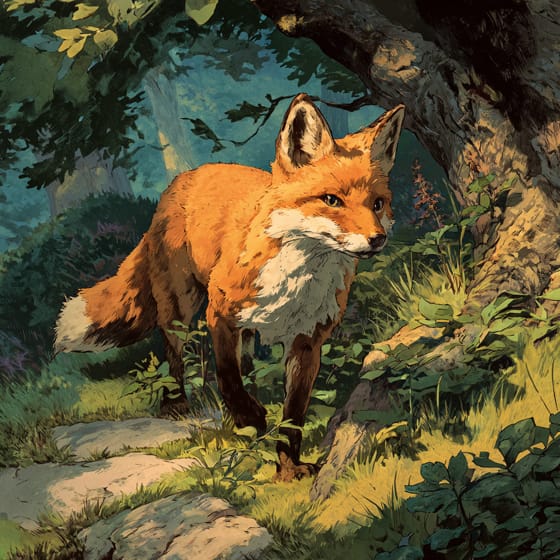
Vulpes vulpes
A primary predator that hunts rabbits for food.
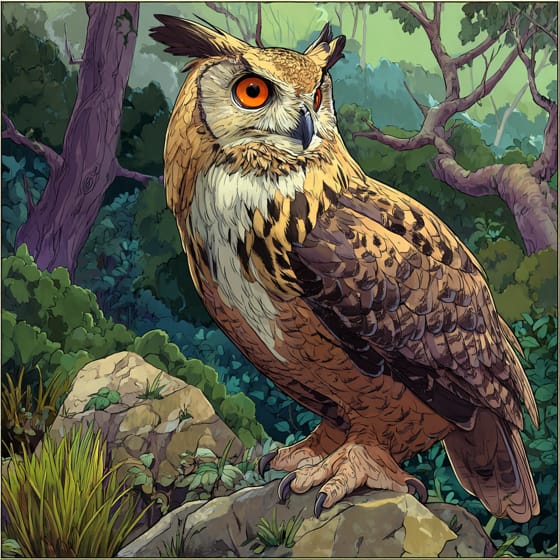
Bubo bubo
A large nocturnal bird of prey that preys on rabbits.
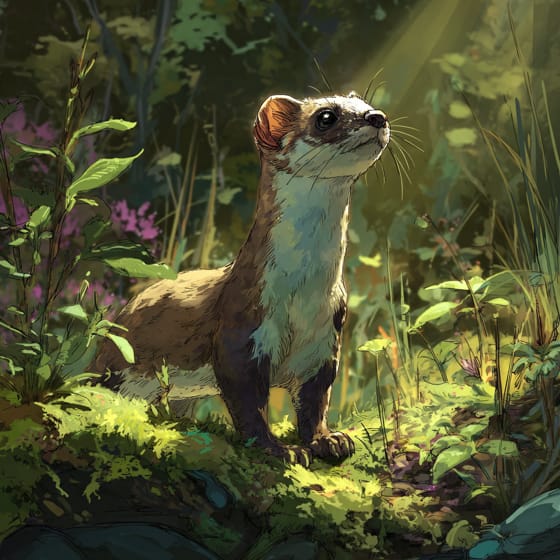
Mustela erminea
A small, agile carnivore that can hunt young rabbits.
Trifolium repens
A common plant that rabbits graze on for nutrients.
Furry describes animals possessing a dense covering of soft hair or fur.
Social animals live in organized groups, cooperating for survival benefits such as foraging, defense, and raising offspring.
Burrowing animals dig tunnels and chambers in the ground, using these subterranean structures for shelter, hunting, or breeding.
Grassland habitats are terrestrial biomes dominated by grasses and herbaceous plants, supporting a variety of grazing animals.

This trait characterizes organisms whose diet consists entirely or primarily of plant material.

Domesticated refers to species that have been selectively bred and tamed by humans for specific purposes.

This trait identifies organisms that exhibit exceptional swiftness in movement for hunting, escape, or travel.

Nocturnal animals are primarily active during the nighttime hours, typically resting or sleeping during the day.
Danger
2/5 · Low
Supervise playtime and keep them away from electrical cords.
30-50 cm
1-2.5 kg
3-9 years
55 km/h
Rabbits are plant-eaters, munching on grasses and greens to keep their teeth healthy and growing.
Meadows, gardens, or cozy hutches.
Foraging
4-12
Zoom in to split clusters and explore where this object has been snapped.
.jpg)
Municipal District of Cobh, IE
You might spot Harbor Seal, Red Panda, and Indian Peafowl.
View guide →

Normandy, FR
You might spot African Lion, Domestic Chicken, and Pig.
View guide →
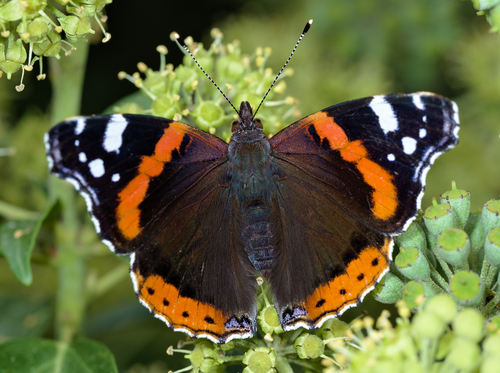
England, UK
You might spot Red Admiral, Large Red Damselfly, and Blue Emperor.
View guide →

Washington, US
You might spot Red Fox, Ghost Pipe, and Blackberry Bush.
View guide →

British Columbia, CA
You might spot European Rabbit, Yellow Shore Crab, and Nootka Rose.
View guide →

England, UK
You might spot Owl With Ear Tufts.
View guide →